Showing posts with label history. Show all posts

Tuesday, September 29, 2026

MEotW: bǎihé‐huā

The Mandarin Expression of the Week is:
Why is the Mandarin word for “hundred” in the Mandarin word for “lily”?
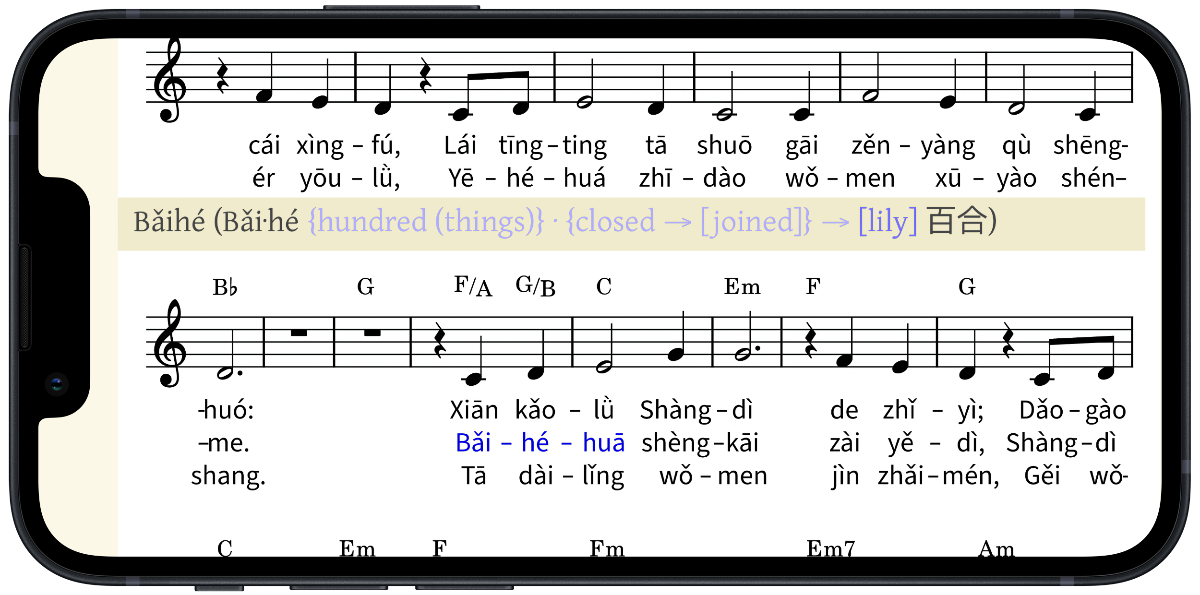

“bǎihé‐huā” _Pīnyīn_+ info, Song 163 (music+_Pīnyīn_), on iPhone 13 mini (landscape orientation)

This week’s MEotW in the unofficial Pīnyīn Plus / Pīnyīn+ resource “Sing Out Joyfully” Bk. (Pīnyīn+Music, Pīnyīn Plus / Pīnyīn+, Web)


Comments are enabled on this blog, so if you are so inclined, comment away!


A news feed for this blog is available here.


Sunday, August 16, 2026

MEotW: Zhōngguó

The Mandarin Expression of the Week is:

How has the worldly nation of China long viewed itself?


The earliest known appearance of Zhōngguó (中國), inscribed on the Western Zhōu bronze vessel Hé Zūn

The earliest known appearance of “Zhōngguó (中國)”, inscribed on the Western Zhōu bronze vessel Hé Zūn


Comments are enabled on this blog, so if you are so inclined, comment away!


A news feed for this blog is available here.


Sunday, August 09, 2026

MEotW: Fúyīn‐Shū

The Mandarin Expression of the Week is:

What do the morphemes in the Mandarin expression meaning “Gospel” actually mean?


Comments are enabled on this blog, so if you are so inclined, comment away!


A news feed for this blog is available here.

Sunday, August 02, 2026

MEotW: jǐngrán‐yǒuxù

The Mandarin Expression of the Week is:

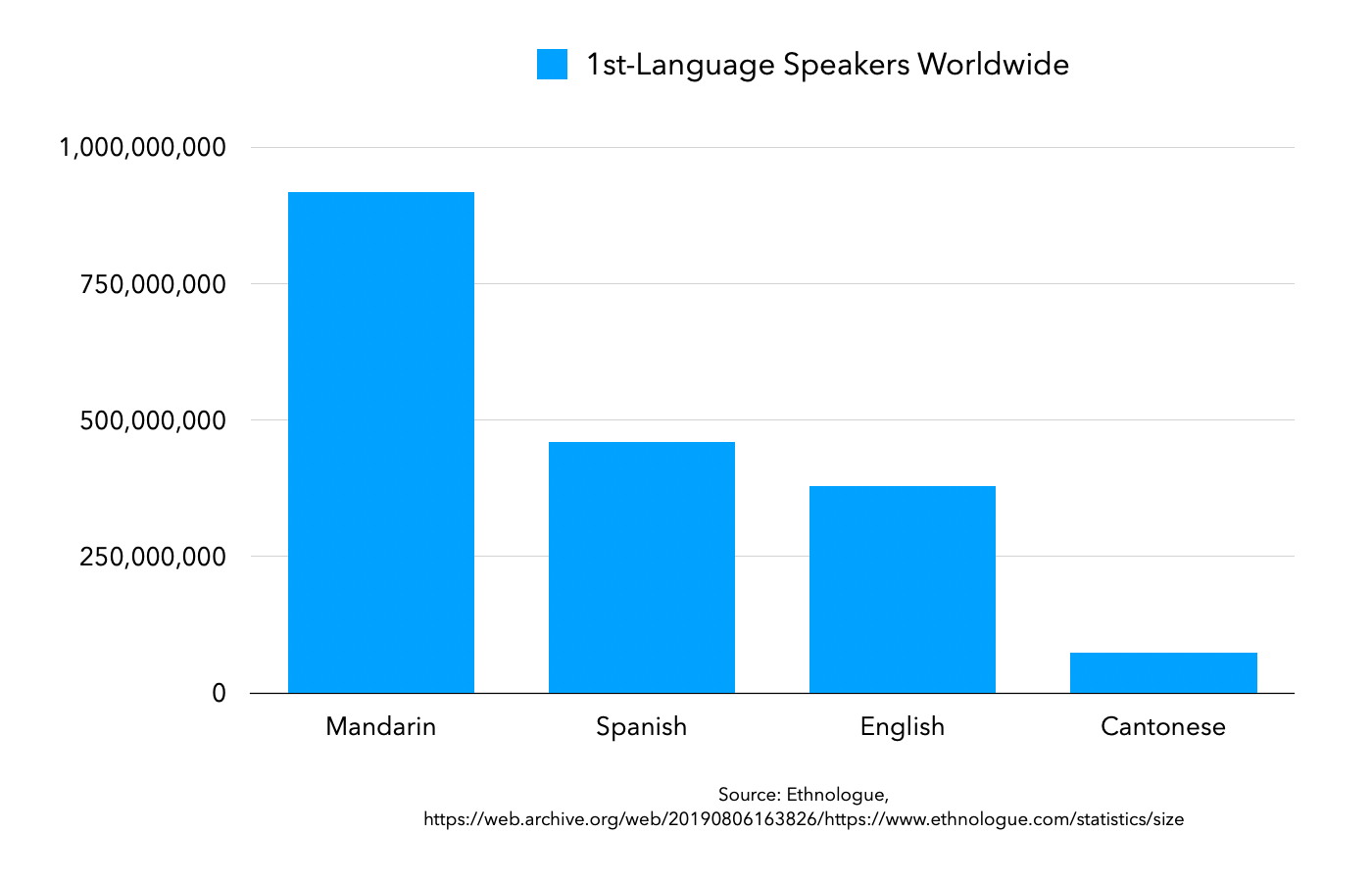
In contrast to the haphazardly evolved Chinese characters, how is Pīnyīn well-designed, neat, and orderly, like the manufacturing processes inside our cells?


Comments are enabled on this blog, so if you are so inclined, comment away!


A news feed for this blog is available here.

Sunday, July 19, 2026

MEotW: jī‐tóng‐yā‐jiǎng

The Mandarin Expression of the Week is:

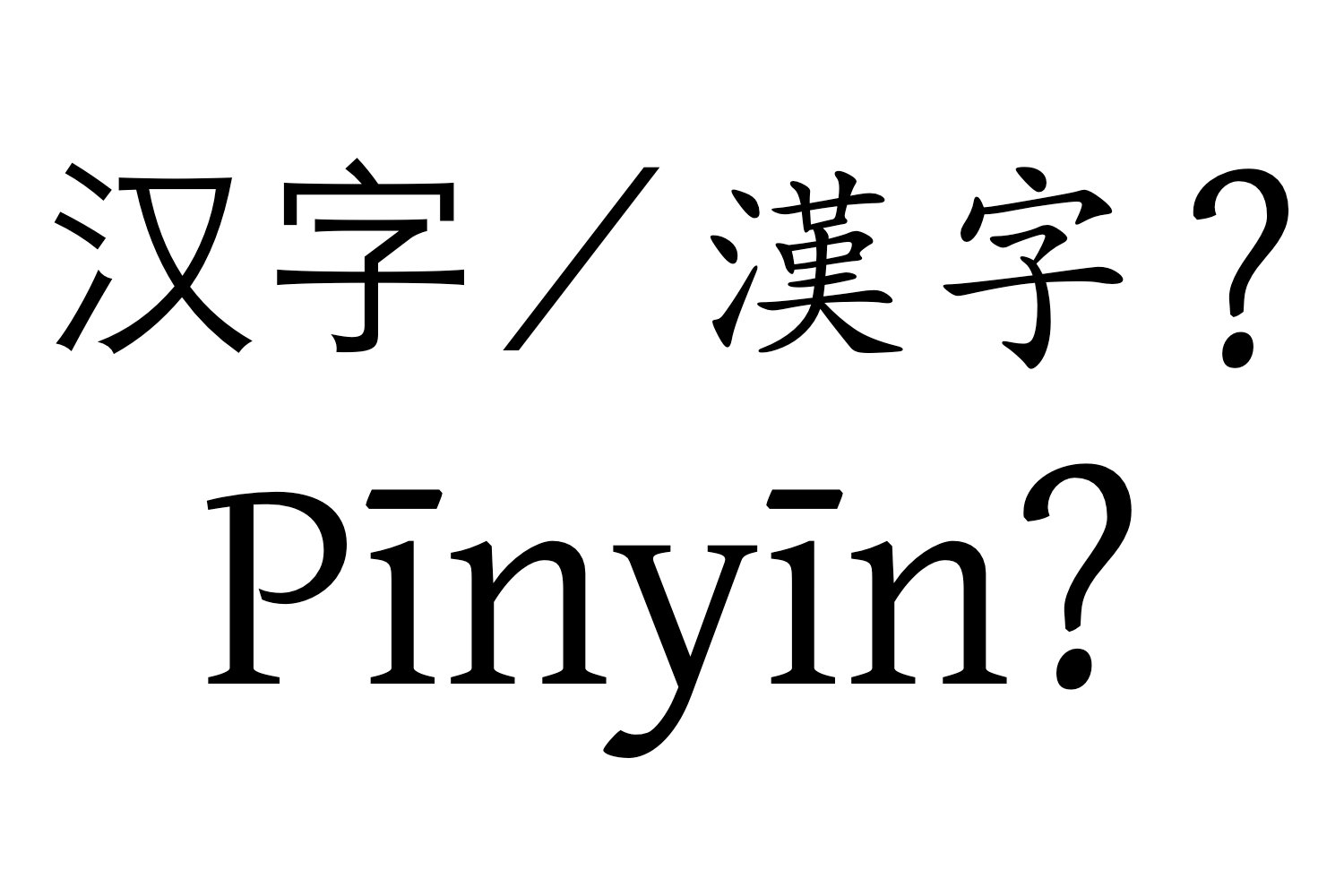
What are some factors affecting whether or not Mandarin field language learners know certain basic truths about the Chinese languages?


Chart: Languages by First-Language Speakers—2019

Allowing various untruths to continue to divert and bog down the language-learning efforts of those who come to help in the worldwide Mandarin field can have incalculable overall negative effects on the preaching work in this enormous field.


Comments are enabled on this blog, so if you are so inclined, comment away!


A news feed for this blog is available here.

Sunday, July 12, 2026

MEotW: Pīnyīn

The Mandarin Expression of the Week is:

What are some common myths and misconceptions about Pīnyīn?


汉字 / 漢字? Pīnyīn?


Comments are enabled on this blog, so if you are so inclined, comment away!


A news feed for this blog is available here.

Sunday, July 05, 2026

MEotW: Zhùyīn

The Mandarin Expression of the Week is:

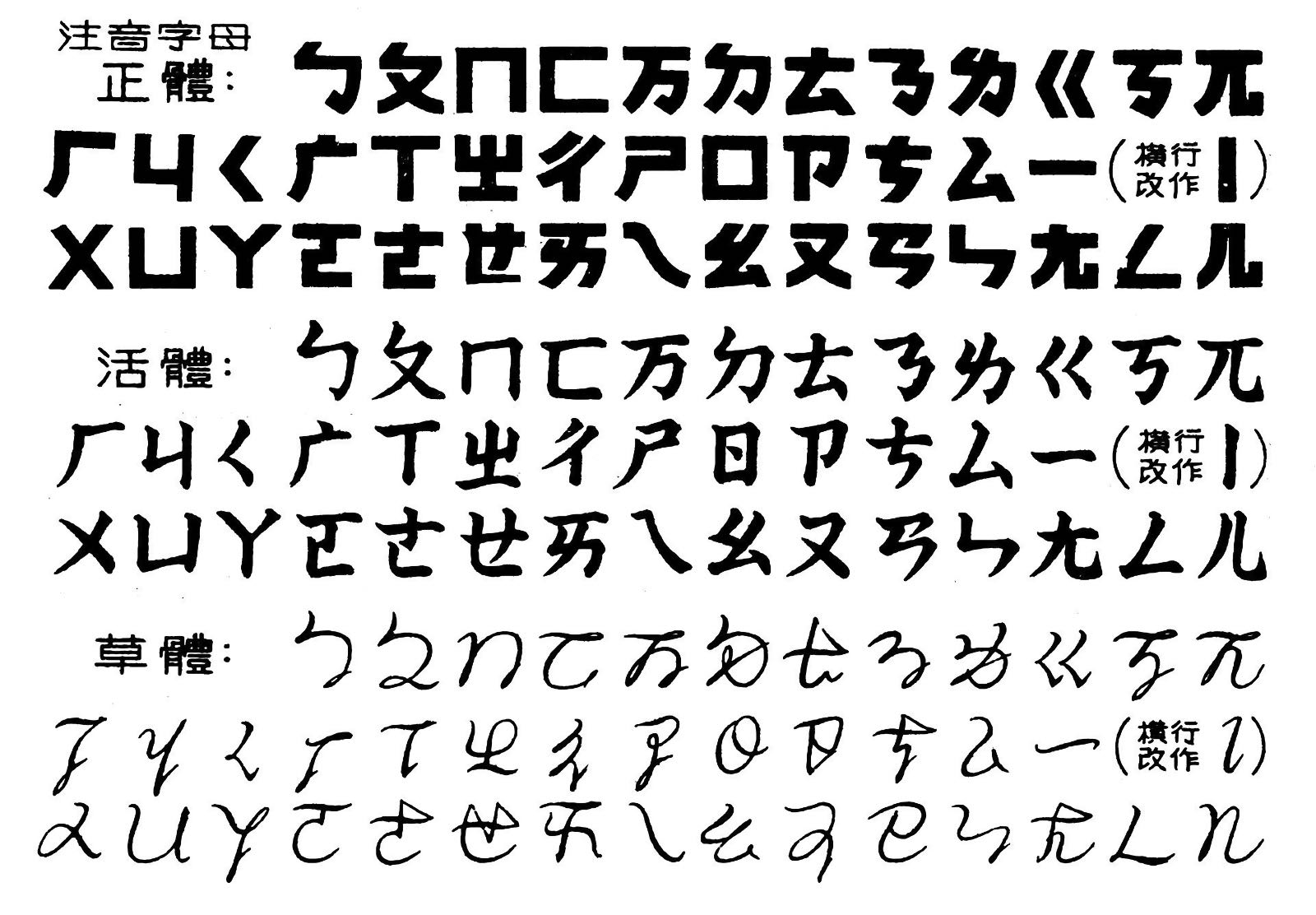
For Mandarin field language learners, how does Zhùyīn compare with Pīnyīn?


Bopomofo in Regular, Handwritten Regular, & Cursive formats

Zhùyīn, or Bopomofo, in regular, handwritten regular, and cursive formats


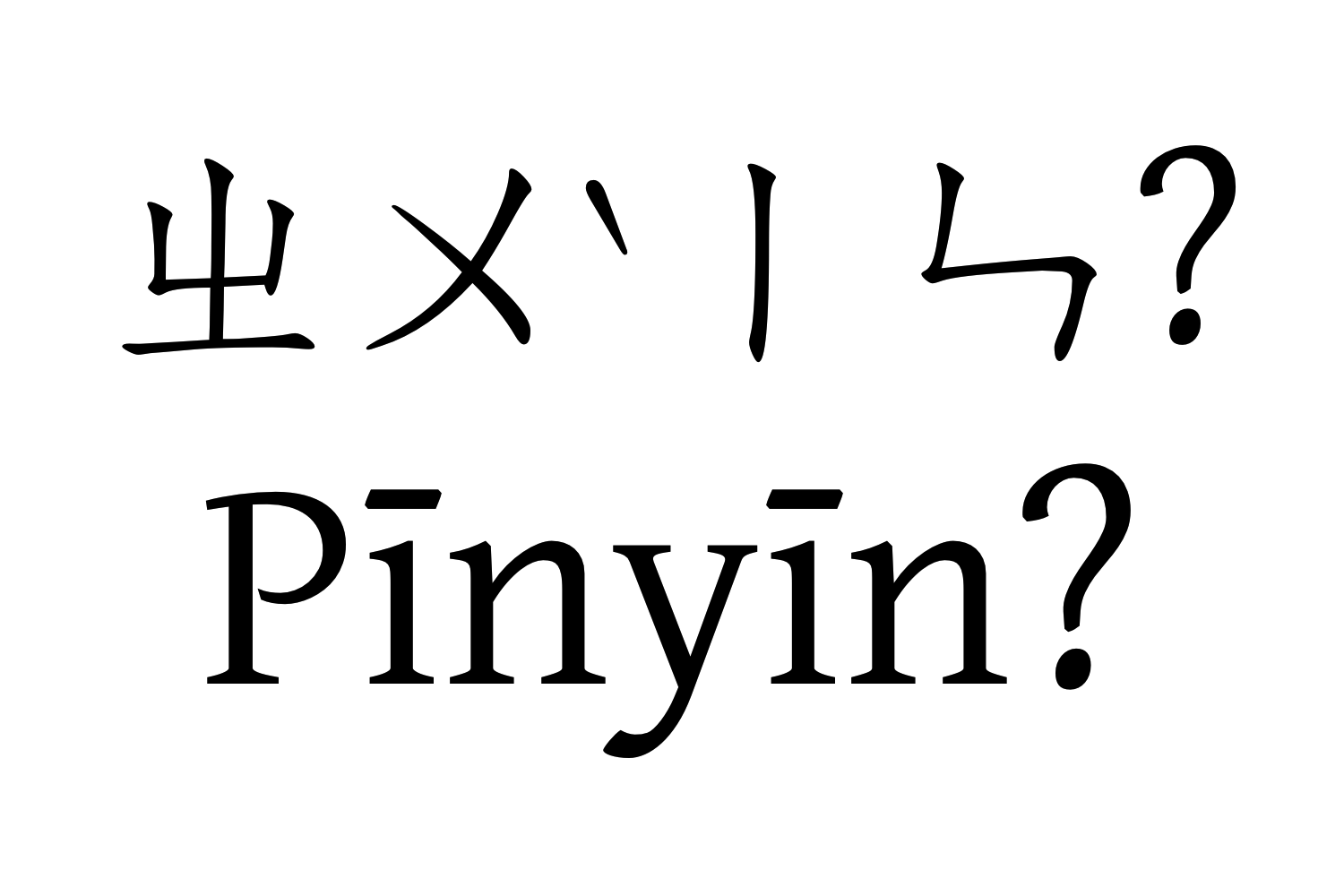
ㄓㄨ`ㄧㄣ? Pīnyīn?

Comments are enabled on this blog, so if you are so inclined, comment away!


A news feed for this blog is available here.

Sunday, June 28, 2026

MEotW: chuàngzào

The Mandarin Expression of the Week is:

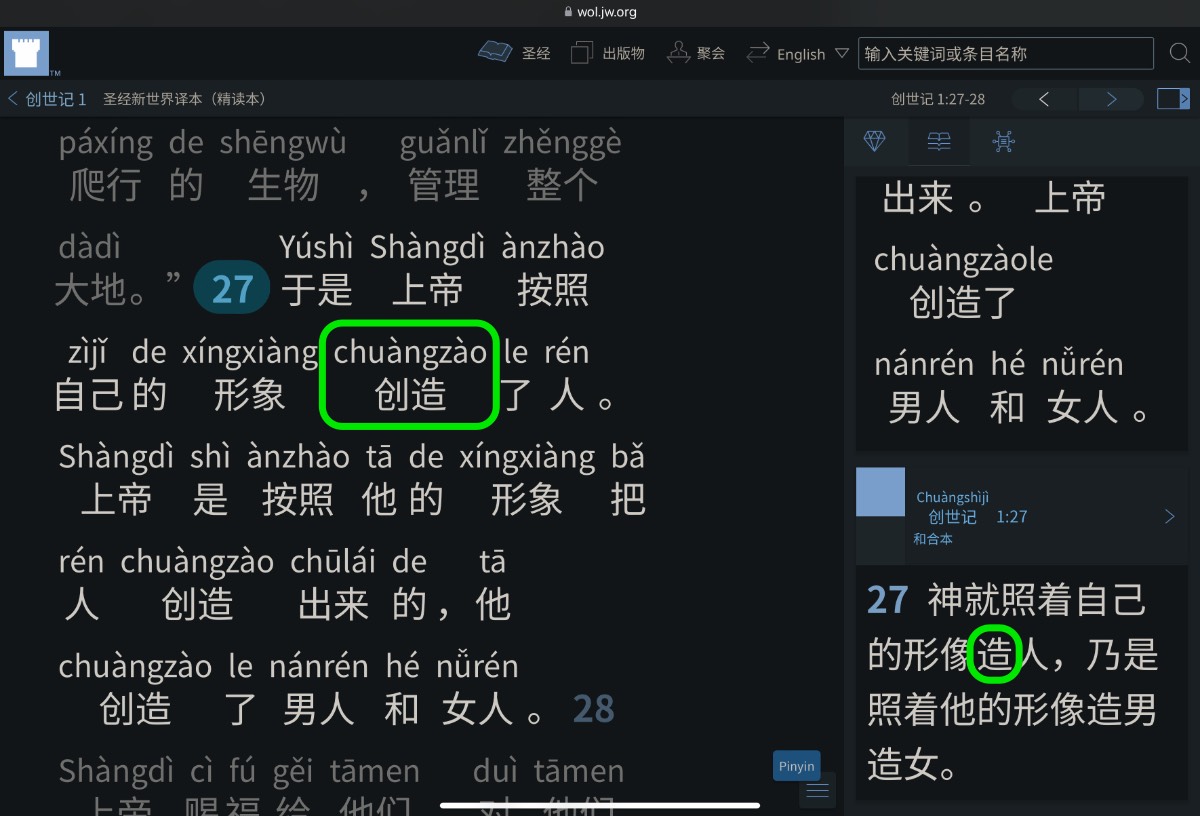
What can help us talk to Mandarin-speaking people about whether God used evolution to create living things?


“_Chuàngzào_” in Genesis 1:27 (NWT (nwtsty), WOL CHS+Pinyin), with “_zào_” in _Héhé Běn_

To represent how God caused humans to come into existence, the Mandarin New World Translation Bible uses “chuàngzào”, and the Héhé Běn (Union Version Chinese Bible) uses “zào”. Both these expressions contain the sense of “made, created”, and perhaps “built”.


Comments are enabled on this blog, so if you are so inclined, comment away!


A news feed for this blog is available here.


Sunday, May 24, 2026

MEotW: jiāng‐xīn‐bǐ‐xīn

The Mandarin Expression of the Week is:

How can we talk about and show empathy in the Mandarin field?


“jiāng‐xīn‐bǐ‐xǐn” _Pīnyīn_ Plus info, Song 163 (music+_Pīnyīn_), on iPhone 13 mini (landscape orientation)

This week’s MEotW in the unofficial Pīnyīn Plus resource “Sing Out Joyfully” Bk. (Pīnyīn+Music, Pīnyīn Plus, Web)


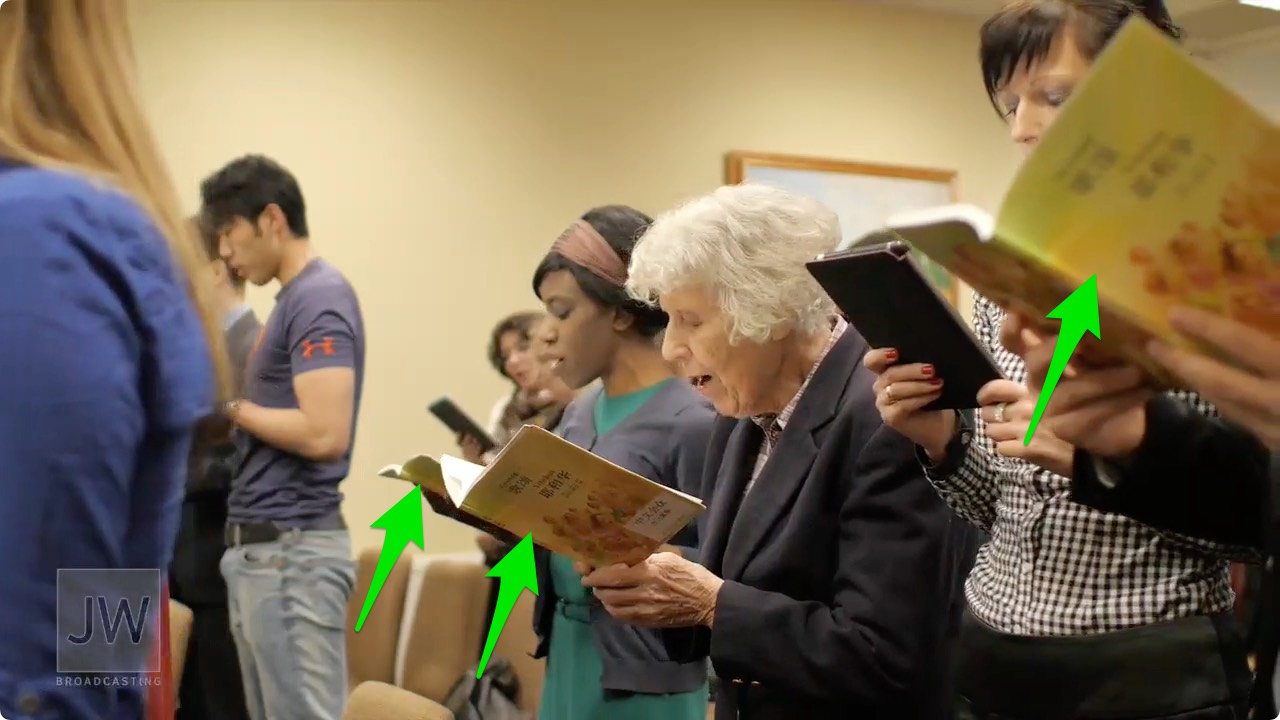
Screenshot of Sis. Margarita Königer and others using official _Pīnyīn_ _Sing to Jehovah_ songbooks with musical notation

A screenshot from an official video, of Sis. Margarita Königer and others using official Pīnyīn Sing to Jehovah songbooks with musical notation


Comments are enabled on this blog, so if you are so inclined, comment away!


A news feed for this blog is available here.

Sunday, May 17, 2026

MEotW: héchuáng

The Mandarin Expression of the Week is:

Faced with the cultural and traditional Goliath that is the Chinese characters, how can we imitate David?


汉字 / 漢字? Pīnyīn?

Comments are enabled on this blog, so if you are so inclined, comment away!


A news feed for this blog is available here.

Monday, May 11, 2026

MEotW: néngyuán

The Mandarin Expression of the Week is:

How can we talk to people in Mandarin about current issues related to energy, like high gas prices, etc.?


Comments are enabled on this blog, so if you are so inclined, comment away!


A news feed for this blog is available here.


Sunday, April 12, 2026

MEotW: záluàn‐wú‐zhāng

The Mandarin Expression of the Week is:

While the manufacturing processes inside our cells are not haphazard, how is the design of Chinese characters haphazard?


Comments are enabled on this blog, so if you are so inclined, comment away!


A news feed for this blog is available here.

Monday, March 23, 2026

MEotW: zài‐suǒ‐bùxī

The Mandarin Expression of the Week is:

Why should we not balk when faced with the Great Wall of Characters, or when faced with the alternate Pīnyīn ways past it?


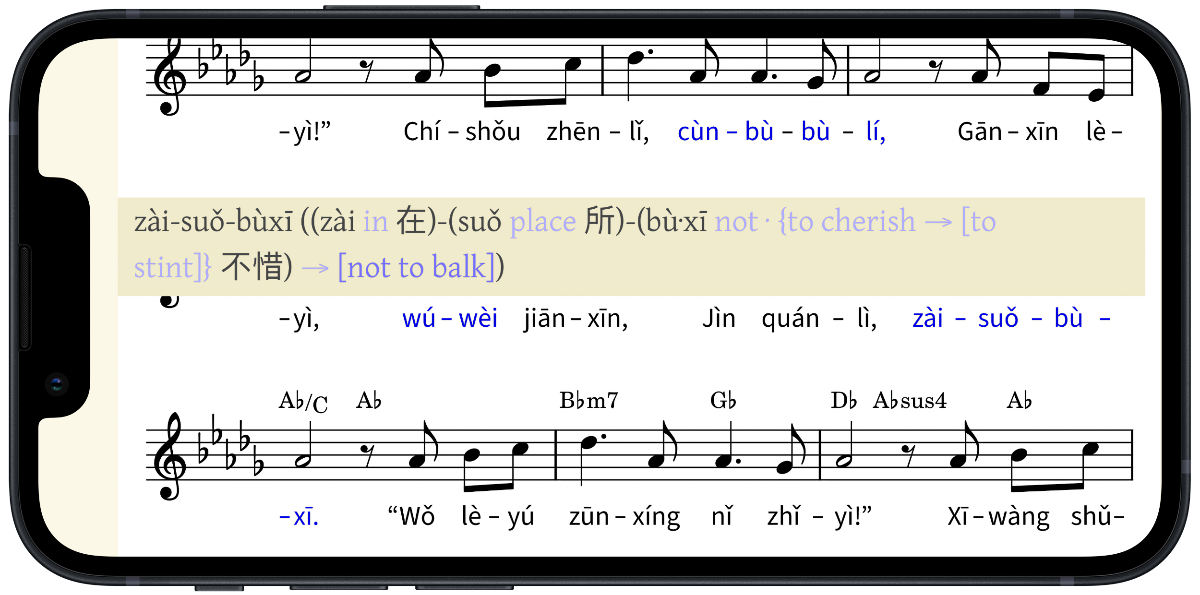
“zài‐suǒ-bùxī” _Pīnyīn_ Plus info, Song 161 (music+_Pīnyīn_), on iPhone 13 mini (landscape orientation)

This week’s MEotW in the unofficial Pīnyīn Plus resource “Sing Out Joyfully” Bk. (Pīnyīn+Music, Pīnyīn Plus, Web)


The Great Wall of China

Do we balk when faced with the Great Wall of Characters?


Comments are enabled on this blog, so if you are so inclined, comment away!


A news feed for this blog is available here.

Monday, March 16, 2026

MEotW: Gōngyè‐Dǎng

The Mandarin Expression of the Week is:

In the grand scheme of things, how important is technology?


Comments are enabled on this blog, so if you are so inclined, comment away!


A news feed for this blog is available here.


Wednesday, February 25, 2026

MEotW: Lǎhé

The Mandarin Expression of the Week is:

Is a character like “喇” really less ambiguous than a Pīnyīn expression like “lǎ”?


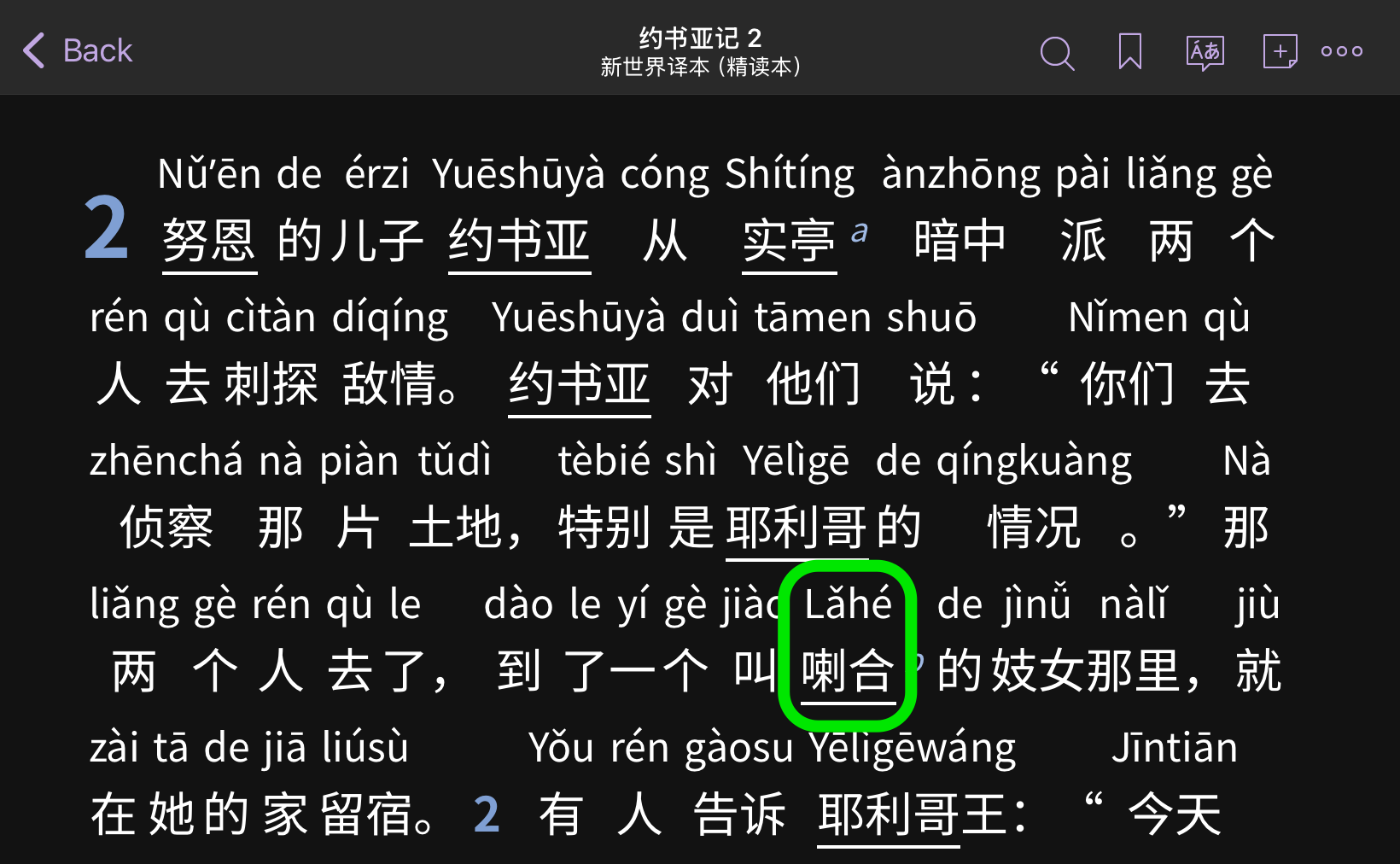
Joshua 2:1 in the Mandarin _NWT_ Study Bible, in the JW Library app

Joshua 2:1 in the Mandarin NWT Study Bible, in the JW Library app


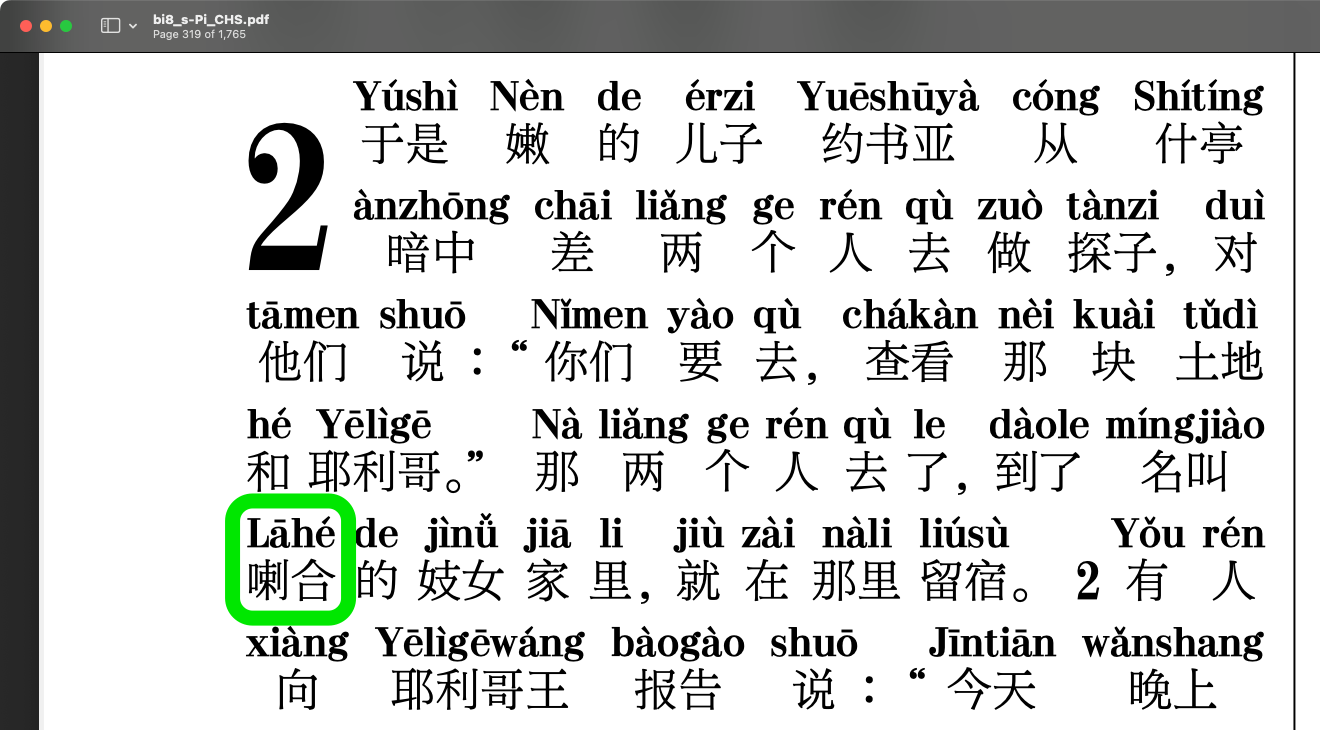
Joshua 2:1 in the PDF for the old printed _Pīnyīn_ _NWT_ Bible

Joshua 2:1 in the PDF for the old printed Pīnyīn NWT Bible


Comments are enabled on this blog, so if you are so inclined, comment away!


A news feed for this blog is available here.


Sunday, January 25, 2026

MEotW: hélí

The Mandarin Expression of the Week is:

How can the beaver’s impressive industriousness and construction ability help us to reach the hearts of people in the Mandarin field?


Screenshot of article “The Beaver’s Construction Ability” on jw.org

A screenshot of the article “The Beaver’s Construction Ability” on jw.org


Comments are enabled on this blog, so if you are so inclined, comment away!


A news feed for this blog is available here.


Sunday, January 18, 2026

MEotW: chénggōng

The Mandarin Expression of the Week is:

Is “just” learning Chinese characters “the hard way” the key to success in the Mandarin field?


“To Jehovah, for whom ‘a thousand years is as one day’, Chinese civilization has only been around for a few days.… “…we should boast in Jehovah, not in needlessly and self-indulgently complex knowledge relating to a mere worldly human culture” troubadourworks.com/tiandi/meotw... #MEotW #PīnyīnPlus

[image or embed]

— tiandi, Links News (@tiandilinksnews.bsky.social) Dec 2, 2024 at 3:40 PM

The Great Wall of China

Does Jehovah see Chinese characters as a successful writing system? Or does he see characters as a Great Wall obstructing his vital preaching and teaching work in the worldwide Mandarin field?


Comments are enabled on this blog, so if you are so inclined, comment away!


A news feed for this blog is available here.

Sunday, January 11, 2026

MEotW: bìyào

The Mandarin Expression of the Week is:

Are Chinese characters really indispensable? Is it really true that the Chinese languages cannot be written alphabetically?


汉字 / 漢字? Pīnyīn?


Comments are enabled on this blog, so if you are so inclined, comment away!


A news feed for this blog is available here.


Sunday, January 04, 2026

MEotW: pútao

The Mandarin Expression of the Week is:

Does each Chinese character really represent a one-syllable word?


A bunch of grapes hanging on a vine

Creative Commons Public Domain logo Michael Pardo [source]


Comments are enabled on this blog, so if you are so inclined, comment away!


A news feed for this blog is available here.


Tuesday, December 30, 2025

MEotW: fǎngxiào

The Mandarin Expression of the Week is:

Would it be good for other writing systems to emulate Chinese characters when it comes to (supposedly) representing meaning directly, without depending on speech sounds?


Should children be taught to read English, etc. words as if they were ideograms, like Chinese characters are supposed to be?


JW Library app, Library tab (iPad)

The Library tab in the JW Library app


Comments are enabled on this blog, so if you are so inclined, comment away!


A news feed for this blog is available here.