Showing posts with label DeFrancis. Show all posts

Sunday, July 19, 2026

MEotW: jī‐tóng‐yā‐jiǎng

The Mandarin Expression of the Week is:
What are some factors affecting whether or not Mandarin field language learners know certain basic truths about the Chinese languages?
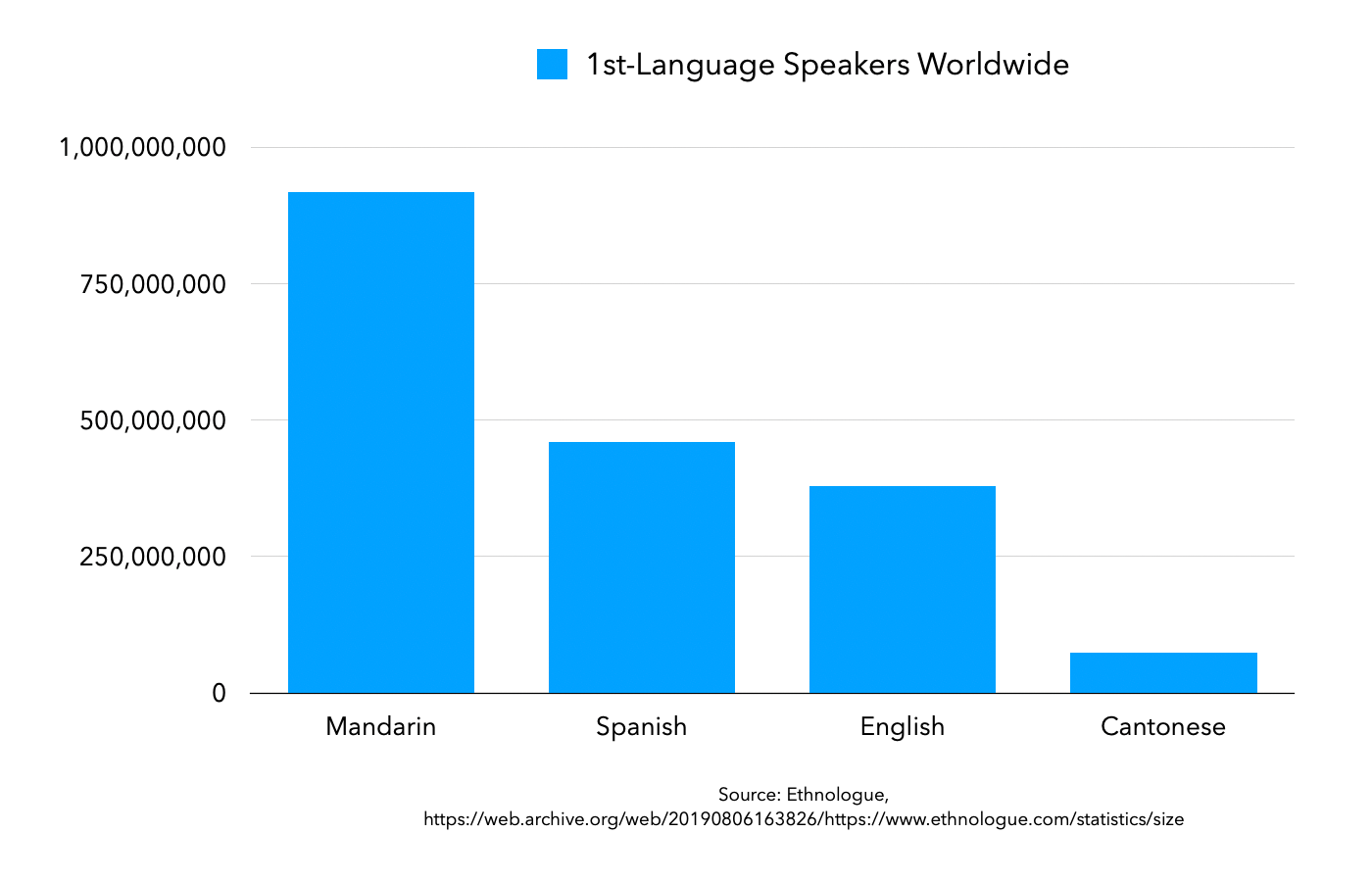

Chart: Languages by First-Language Speakers—2019

Allowing various untruths to continue to divert and bog down the language-learning efforts of those who come to help in the worldwide Mandarin field can have incalculable overall negative effects on the preaching work in this enormous field.


Comments are enabled on this blog, so if you are so inclined, comment away!


A news feed for this blog is available here.


Sunday, July 12, 2026

MEotW: Pīnyīn

The Mandarin Expression of the Week is:

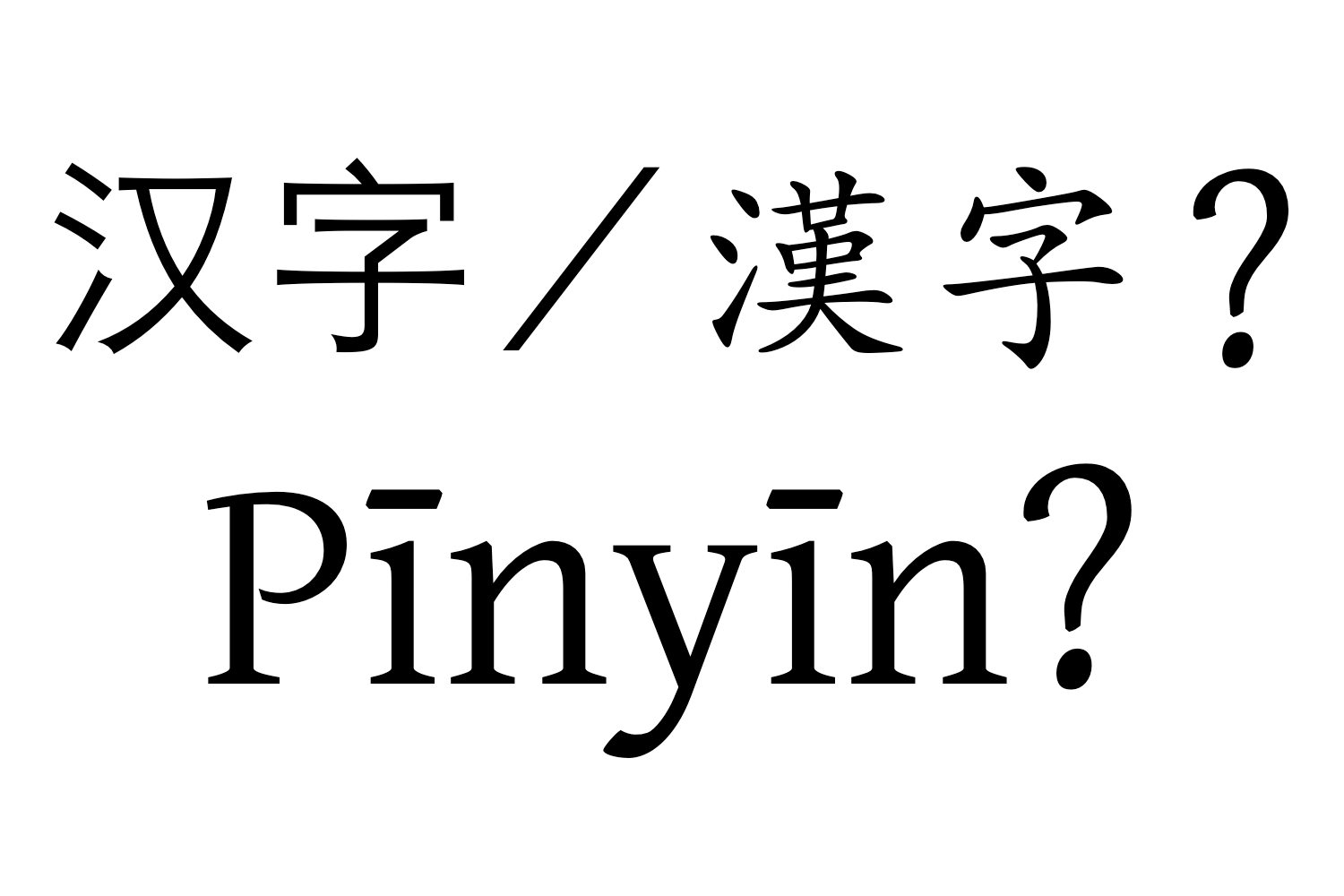
What are some common myths and misconceptions about Pīnyīn?


汉字 / 漢字? Pīnyīn?


Comments are enabled on this blog, so if you are so inclined, comment away!


A news feed for this blog is available here.

Sunday, July 05, 2026

MEotW: Zhùyīn

The Mandarin Expression of the Week is:

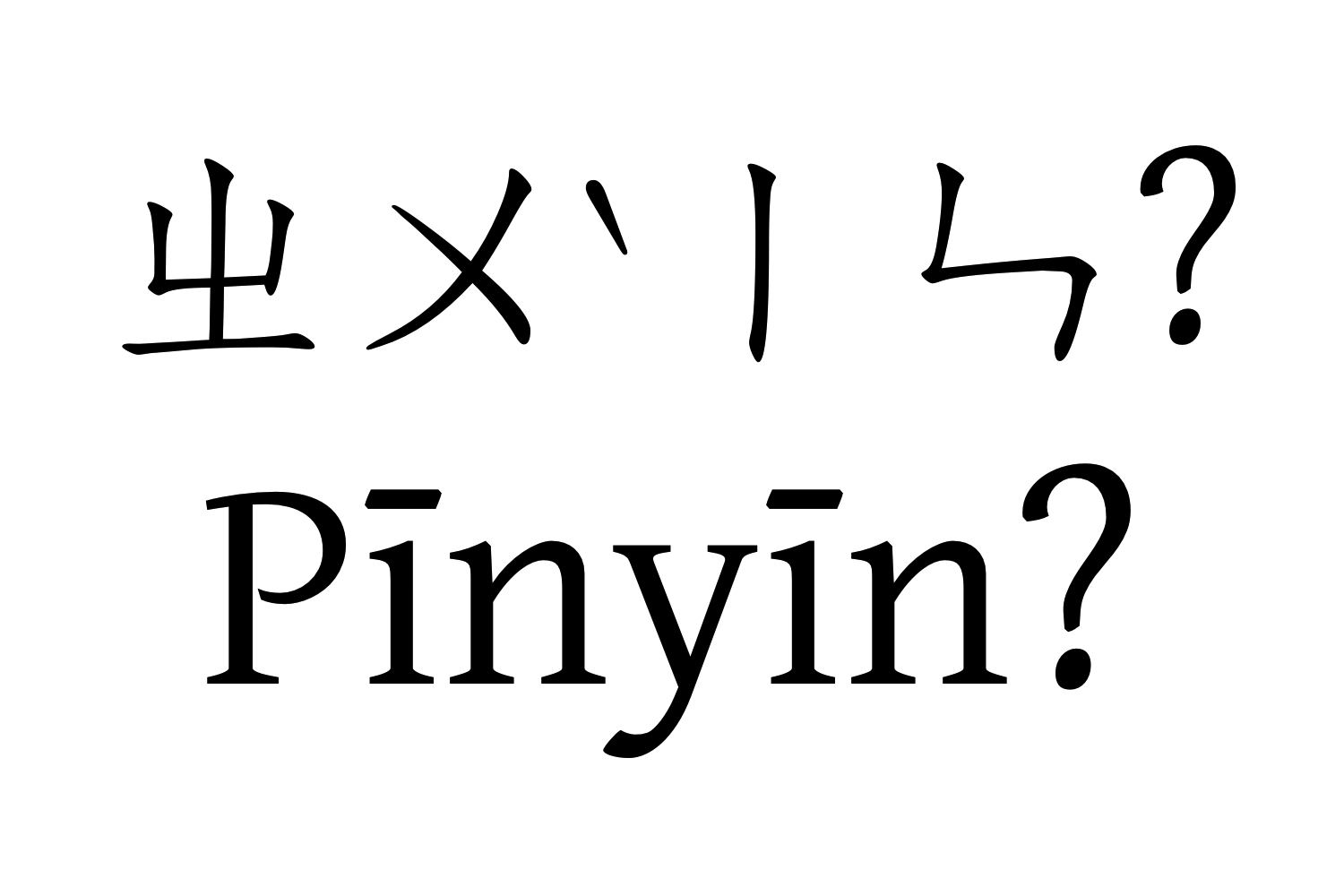
For Mandarin field language learners, how does Zhùyīn compare with Pīnyīn?


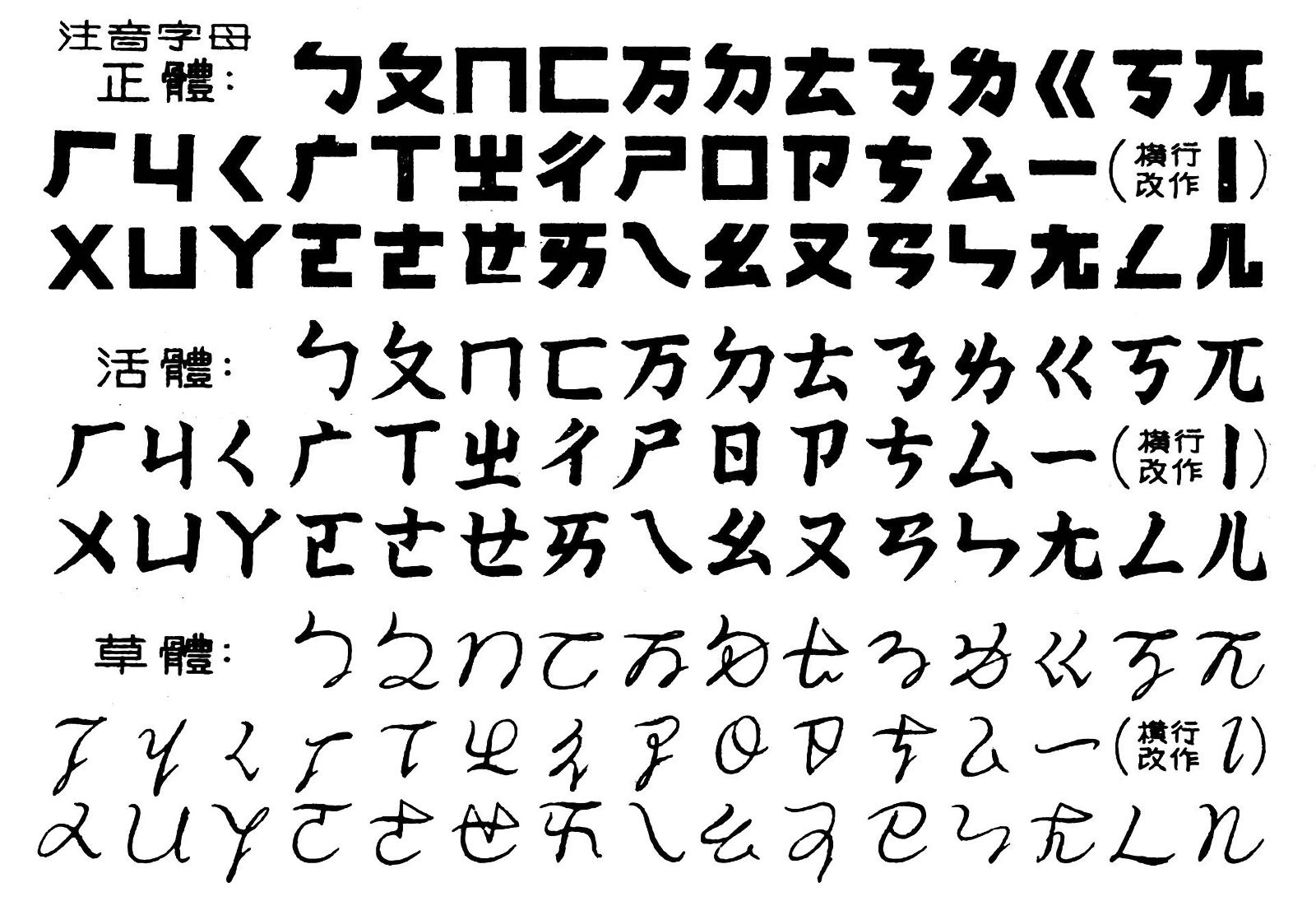
Bopomofo in Regular, Handwritten Regular, & Cursive formats

Zhùyīn, or Bopomofo, in regular, handwritten regular, and cursive formats


ㄓㄨ`ㄧㄣ? Pīnyīn?

Comments are enabled on this blog, so if you are so inclined, comment away!


A news feed for this blog is available here.

Sunday, January 25, 2026

MEotW: hélí

The Mandarin Expression of the Week is:

How can the beaver’s impressive industriousness and construction ability help us to reach the hearts of people in the Mandarin field?


Screenshot of article “The Beaver’s Construction Ability” on jw.org

A screenshot of the article “The Beaver’s Construction Ability” on jw.org


Comments are enabled on this blog, so if you are so inclined, comment away!


A news feed for this blog is available here.

Sunday, January 18, 2026

MEotW: chénggōng

The Mandarin Expression of the Week is:

Is “just” learning Chinese characters “the hard way” the key to success in the Mandarin field?


“To Jehovah, for whom ‘a thousand years is as one day’, Chinese civilization has only been around for a few days.… “…we should boast in Jehovah, not in needlessly and self-indulgently complex knowledge relating to a mere worldly human culture” troubadourworks.com/tiandi/meotw... #MEotW #PīnyīnPlus

[image or embed]

— tiandi, Links News (@tiandilinksnews.bsky.social) Dec 2, 2024 at 3:40 PM

The Great Wall of China

Does Jehovah see Chinese characters as a successful writing system? Or does he see characters as a Great Wall obstructing his vital preaching and teaching work in the worldwide Mandarin field?


Comments are enabled on this blog, so if you are so inclined, comment away!


A news feed for this blog is available here.


Sunday, January 11, 2026

MEotW: bìyào

The Mandarin Expression of the Week is:

Are Chinese characters really indispensable? Is it really true that the Chinese languages cannot be written alphabetically?


汉字 / 漢字? Pīnyīn?


Comments are enabled on this blog, so if you are so inclined, comment away!


A news feed for this blog is available here.


Sunday, January 04, 2026

MEotW: pútao

The Mandarin Expression of the Week is:

Does each Chinese character really represent a one-syllable word?


A bunch of grapes hanging on a vine

Creative Commons Public Domain logo Michael Pardo [source]


Comments are enabled on this blog, so if you are so inclined, comment away!


A news feed for this blog is available here.


Tuesday, December 30, 2025

MEotW: fǎngxiào

The Mandarin Expression of the Week is:

Would it be good for other writing systems to emulate Chinese characters when it comes to (supposedly) representing meaning directly, without depending on speech sounds?


Should children be taught to read English, etc. words as if they were ideograms, like Chinese characters are supposed to be?


JW Library app, Library tab (iPad)

The Library tab in the JW Library app


Comments are enabled on this blog, so if you are so inclined, comment away!


A news feed for this blog is available here.


Sunday, December 21, 2025

MEotW: gòngtōng

The Mandarin Expression of the Week is:

Are Chinese characters really more universal than alphabetic writing systems are?


Comments are enabled on this blog, so if you are so inclined, comment away!


A news feed for this blog is available here.

Sunday, December 14, 2025

MEotW: Hāmǐjíduōdùn

The Mandarin Expression of the Week is:

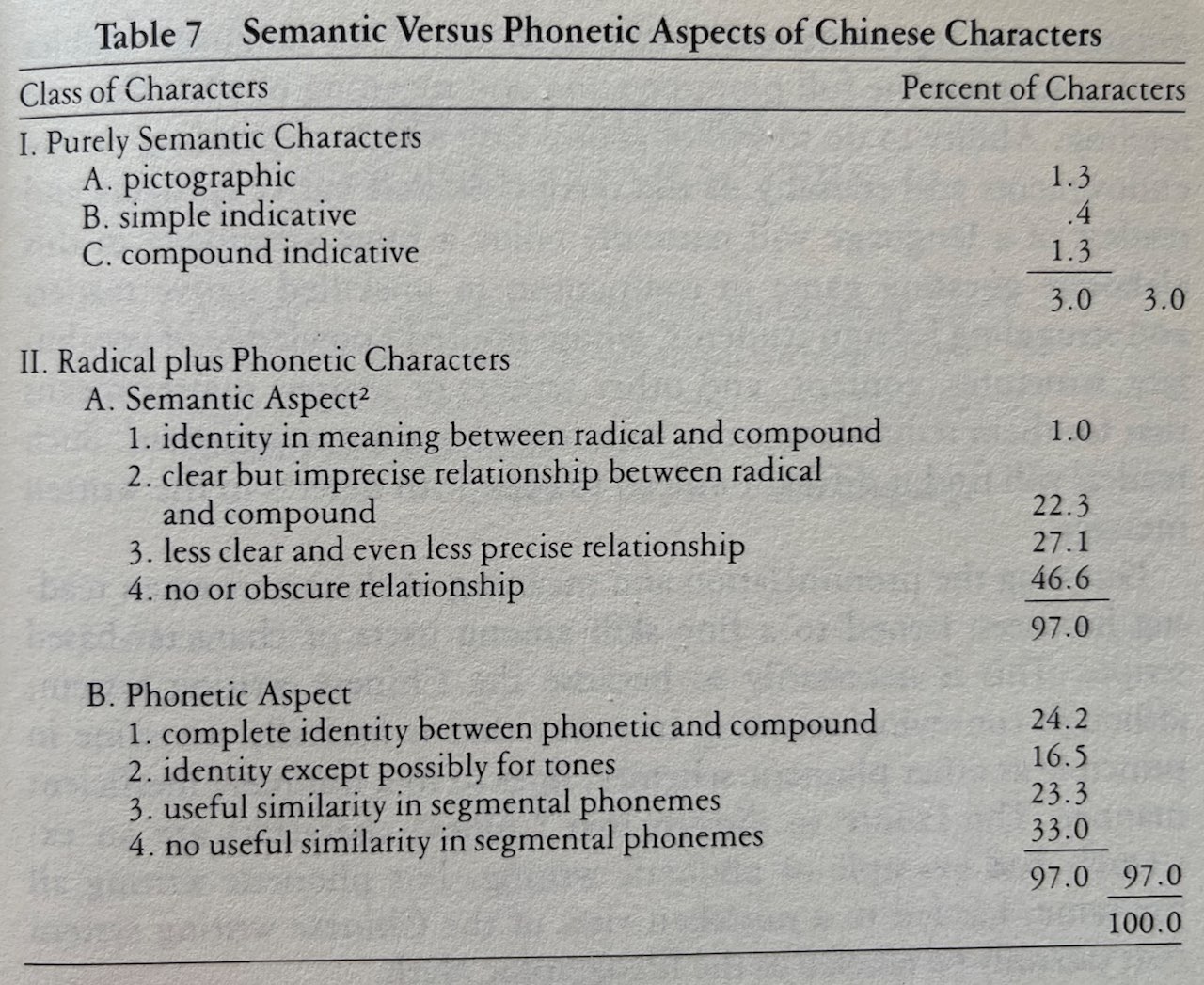
Do Chinese characters really directly represent meaning visually, without dependence on language sound?


Table 7 Semantic Versus Phonetic Aspects of Chinese Characters, p. 129, _The Chinese Language: Fact and Fantasy_

Table from p. 129 of the book The Chinese Language: Fact and Fantasy


Comments are enabled on this blog, so if you are so inclined, comment away!


A news feed for this blog is available here.

Sunday, December 07, 2025

MEotW: shénhuà

The Mandarin Expression of the Week is:

What are some common myths about Chinese characters?


Comments are enabled on this blog, so if you are so inclined, comment away!


A news feed for this blog is available here.

Sunday, September 28, 2025

MEotW: jiǎntǐ‐zì

The Mandarin Expression of the Week is:

While they are simpler than traditional Chinese characters, why are the official simplified characters at best a compromise?


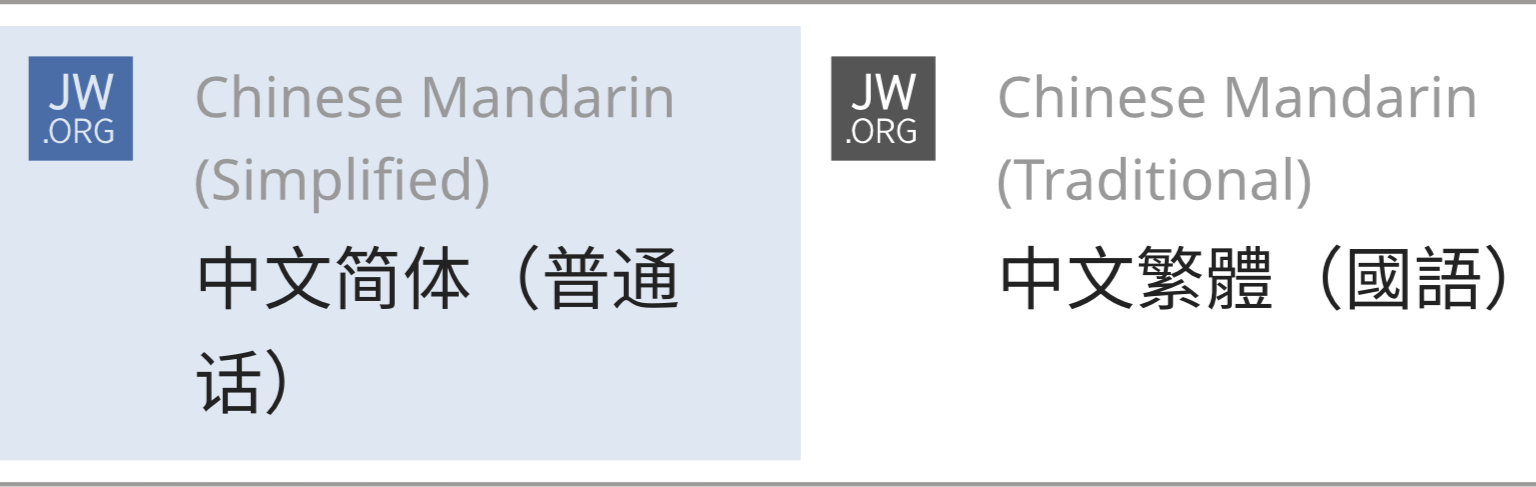
jw.org referring to Mandarin written using simplified Chinese characters


Comments are enabled on this blog, so if you are so inclined, comment away!


A news feed for this blog is available here.

Monday, September 22, 2025

MEotW: fántǐ‐zì

The Mandarin Expression of the Week is:

As beloved as they are by many, why have there been serious, concerted efforts to simplify and replace traditional Chinese characters?


jw.org referring to Mandarin written using traditional Chinese characters


Comments are enabled on this blog, so if you are so inclined, comment away!


A news feed for this blog is available here.

Monday, September 15, 2025

MEotW: Hànzì

The Mandarin Expression of the Week is:

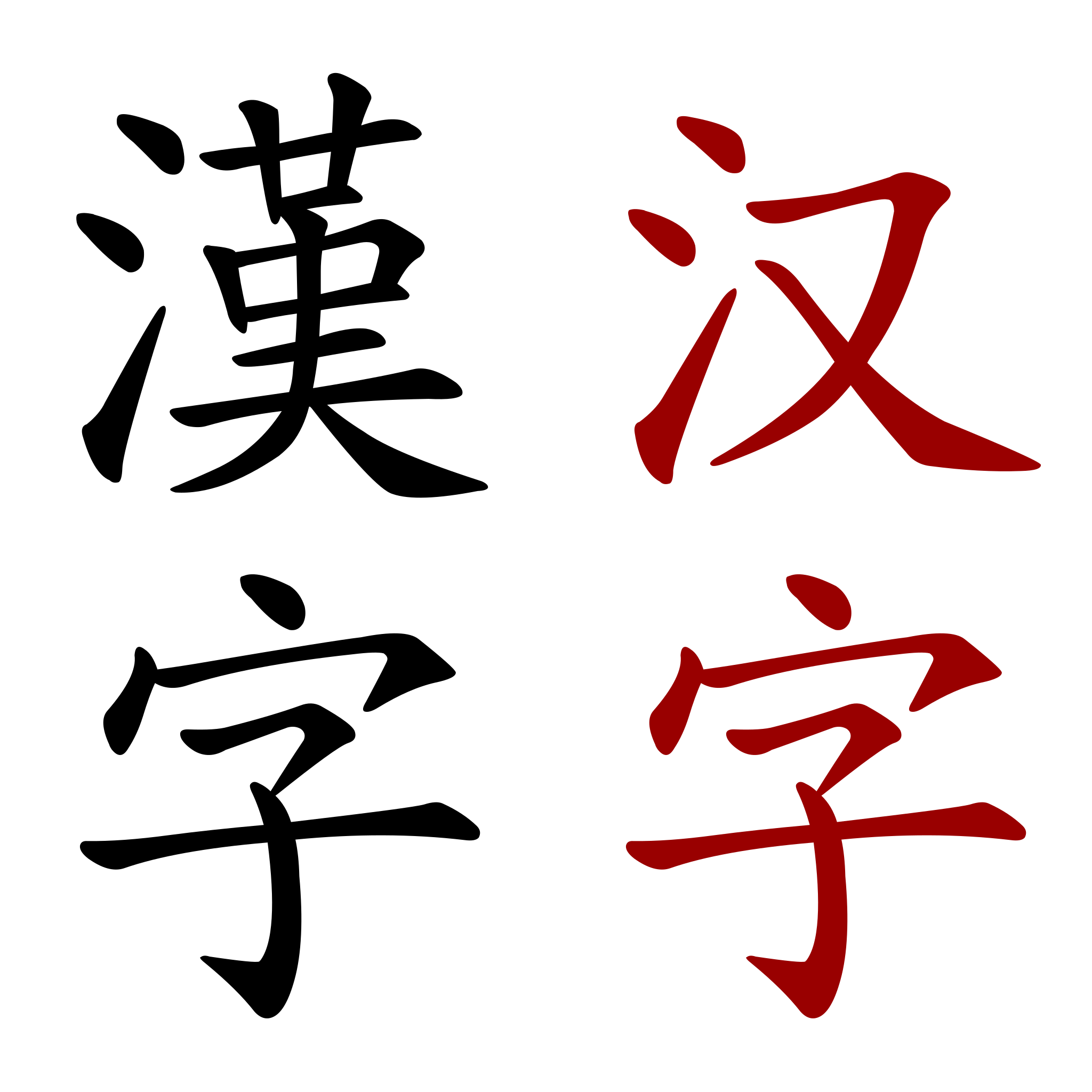
In the big picture, how should we Mandarin field language learners view Chinese characters?


漢字 汉字

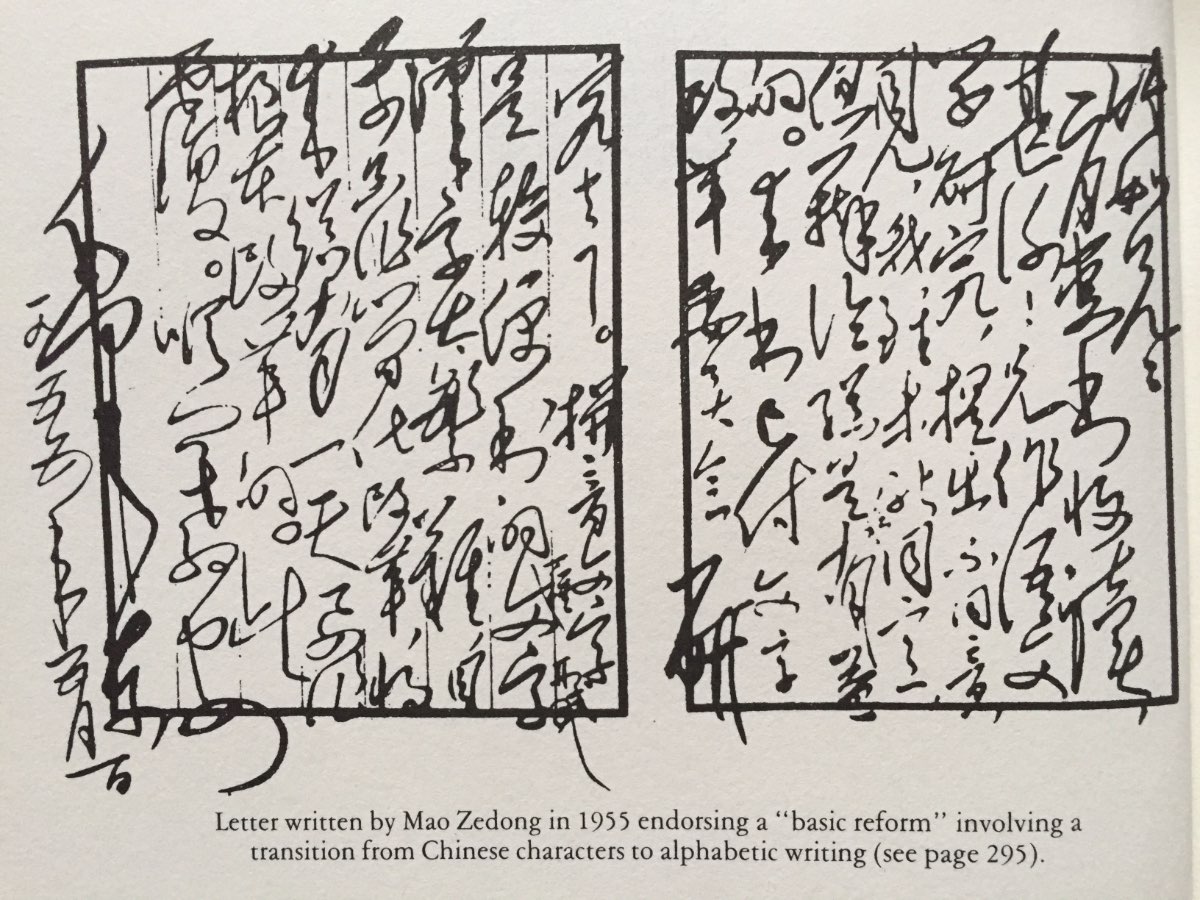
Letter from Mao Zedong re a “basic reform” of Chinese writing, involving a transition from Chinese characters to alphabetic writing

(The above picture is from near the beginning of the book The Chinese Language: Fact and Fantasy, by John DeFrancis.)


Comments are enabled on this blog, so if you are so inclined, comment away!


A news feed for this blog is available here.

Sunday, May 11, 2025

MEotW: yǔxì

The Mandarin Expression of the Week is:

What is Mandarin’s place in its language family tree? Are Mandarin, Cantonese, etc. just dialects of “Chinese”?


Pinwheel Galaxy

Comments are enabled on this blog, so if you are so inclined, comment away!


A news feed for this blog is available here.


Sunday, February 23, 2025

MEotW: zìmǎn

The Mandarin Expression of the Week is:

How can pondering the Needham Question help us in the Mandarin field?


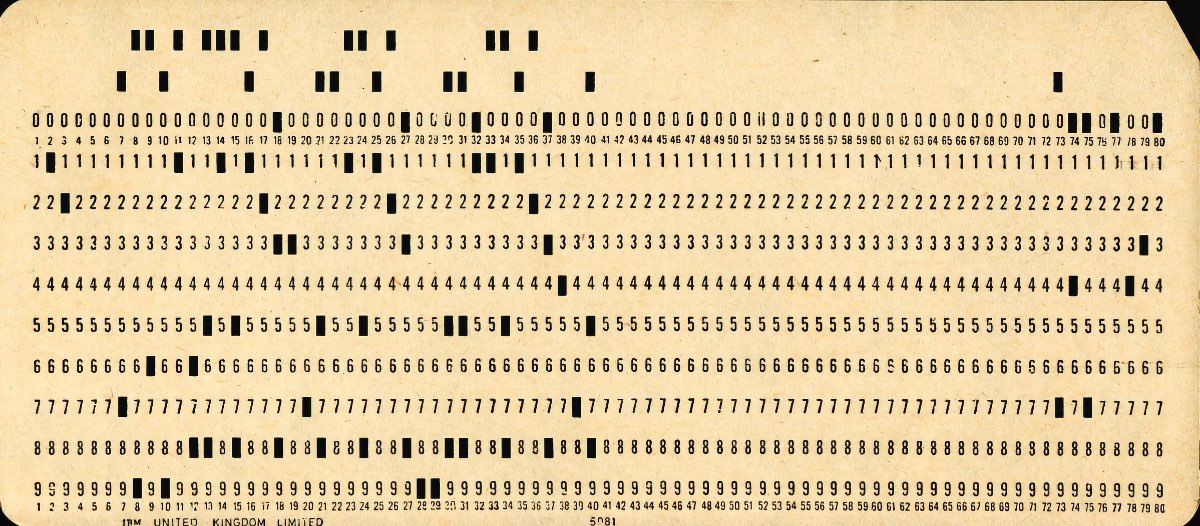
Punched card used to load software into an old mainframe computer
Chinese characters are the punched cards of writing systems. Punched cards were not totally impossible to use, but there are now much better and easier-to-use ways to control computers.
Creative Commons Attribution License logo BinaryApe


Comments are enabled on this blog, so if you are so inclined, comment away!


A news feed for this blog is available here.

Saturday, July 20, 2024

MEotW: chǎojià

The Mandarin Expression of the Week is:

How can we talk in Mandarin about arguing? Should we use the same language to describe how Jesus spoke with the Pharisees, etc.?


Comments are enabled on this blog, so if you are so inclined, comment away!


A news feed for this blog is available here.


Friday, May 24, 2024

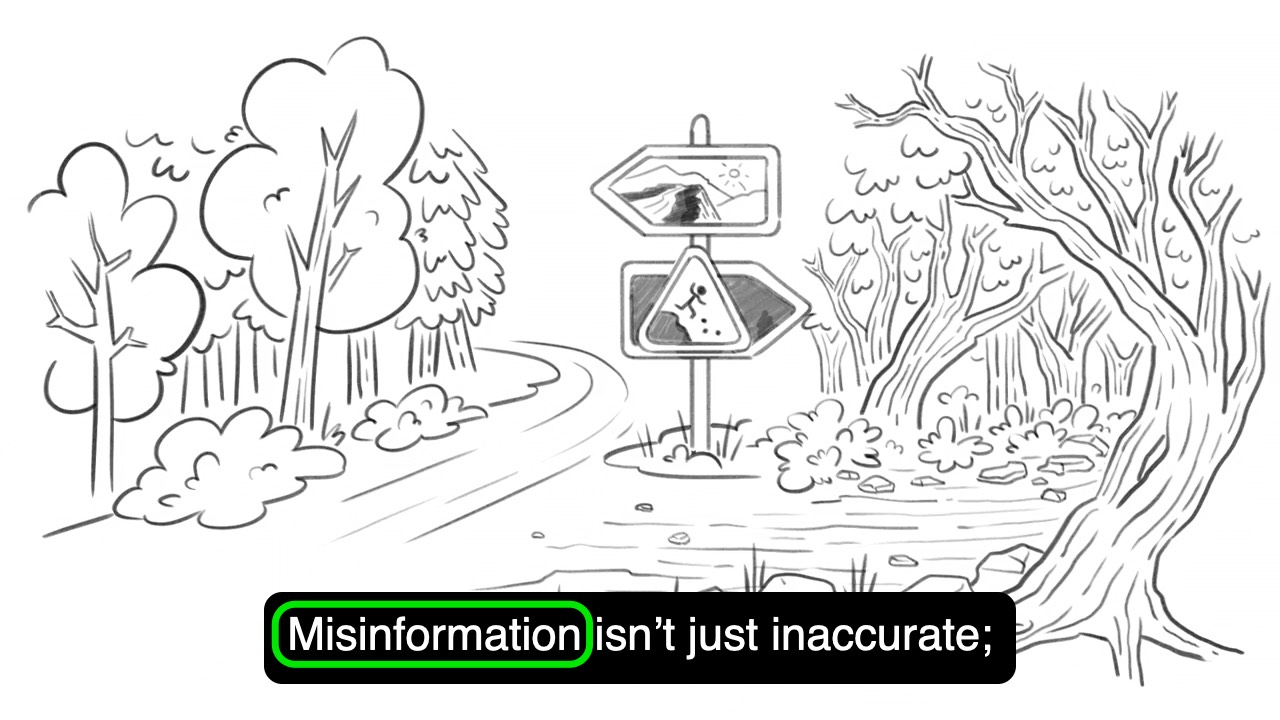
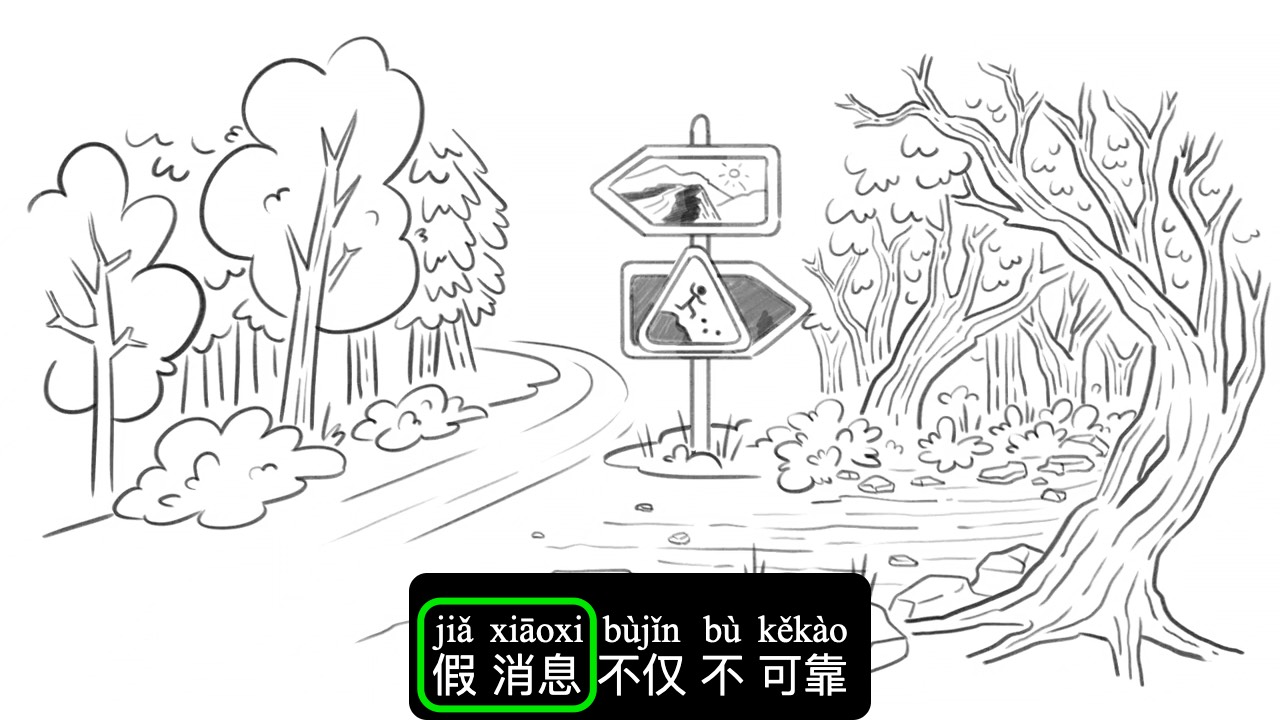
MEotW: jiǎ xiāoxi

The Mandarin Expression of the Week is:

What myths and misinformation about Chinese characters should Mandarin field language learners be wary of?


Screenshot from the video “Protect Yourself From Misinformation”, 0:32 mark, showing “Misinformation” in the subtitle

Screenshot from the video “消息满天飞,如何辨真假”, 0:32 mark, showing “假消息 (jiǎ xiāoxi)” in the subtitle

Screenshots from the English and Mandarin versions of the video “Protect Yourself From Misinformation”


Comments are enabled on this blog, so if you are so inclined, comment away!


A news feed for this blog is available here.

Saturday, May 11, 2024

MEotW: shìwēi kàngyì

The Mandarin Expression of the Week is:

What connection is there between the Mandarin expressions for “demonstrating (as a protest)” and “Revelation”?


Comments are enabled on this blog, so if you are so inclined, comment away!


A news feed for this blog is available here.

Friday, March 29, 2024

MEotW: yì‐nián‐yí‐dù

The Mandarin Expression of the Week is:

Are Chinese characters the ultimate clarifiers of meaning in Mandarin?


Comments are enabled on this blog, so if you are so inclined, comment away!


A news feed for this blog is available here.