Showing posts with label French. Show all posts

Sunday, July 12, 2026

MEotW: Pīnyīn

The Mandarin Expression of the Week is:

What are some common myths and misconceptions about Pīnyīn?


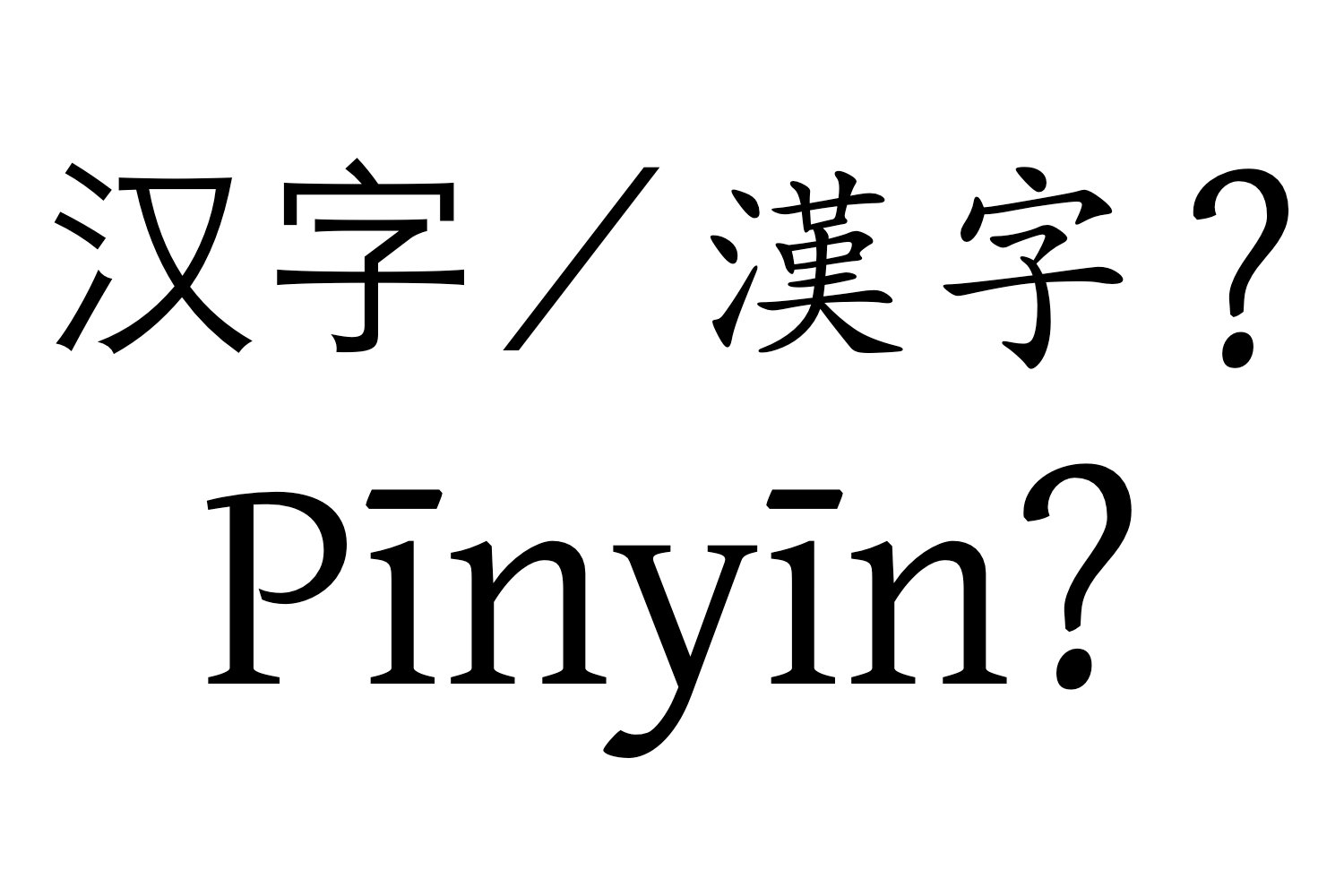
汉字 / 漢字? Pīnyīn?


Comments are enabled on this blog, so if you are so inclined, comment away!


A news feed for this blog is available here.


Sunday, July 05, 2026

MEotW: Zhùyīn

The Mandarin Expression of the Week is:

For Mandarin field language learners, how does Zhùyīn compare with Pīnyīn?


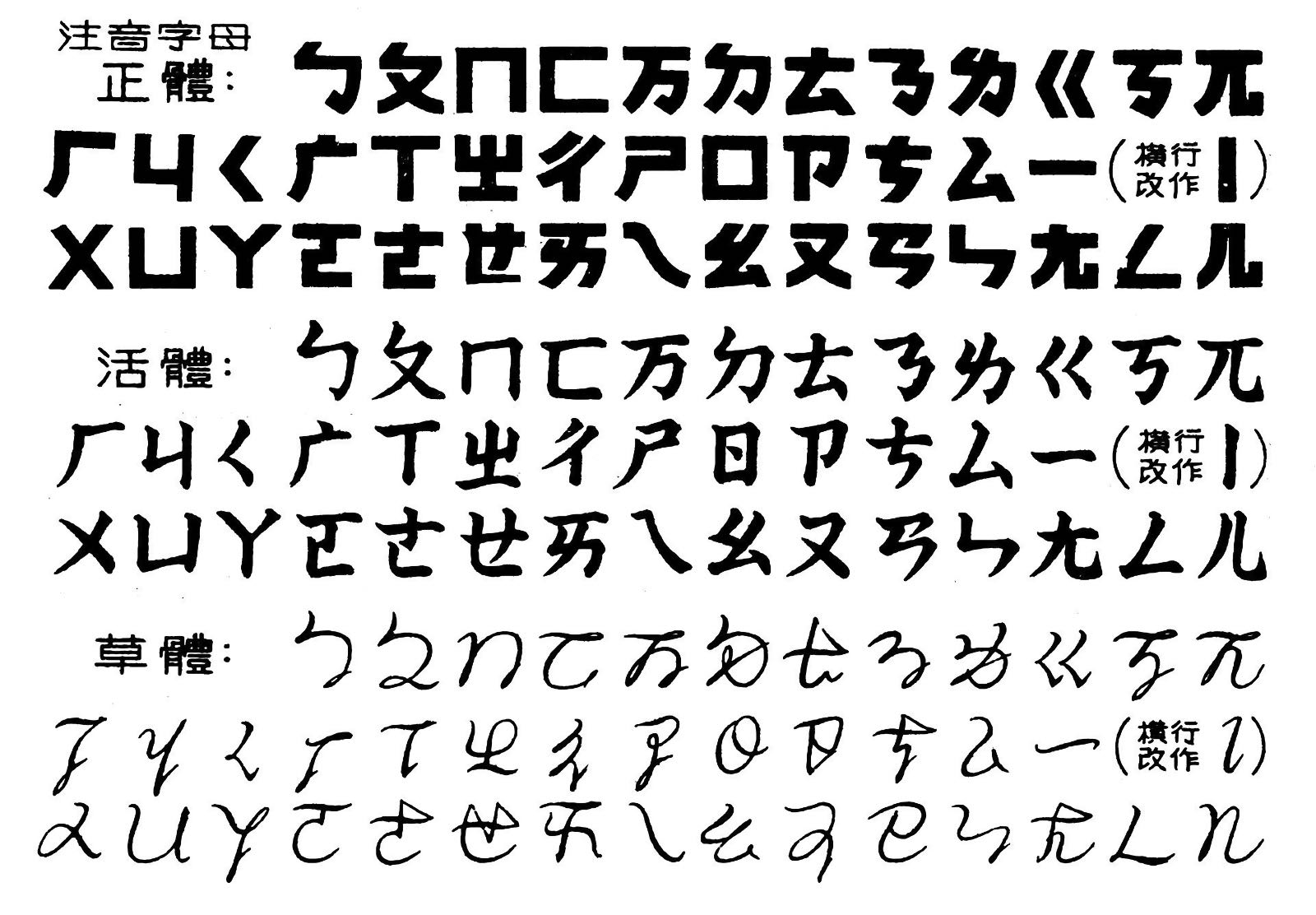
Bopomofo in Regular, Handwritten Regular, & Cursive formats

Zhùyīn, or Bopomofo, in regular, handwritten regular, and cursive formats


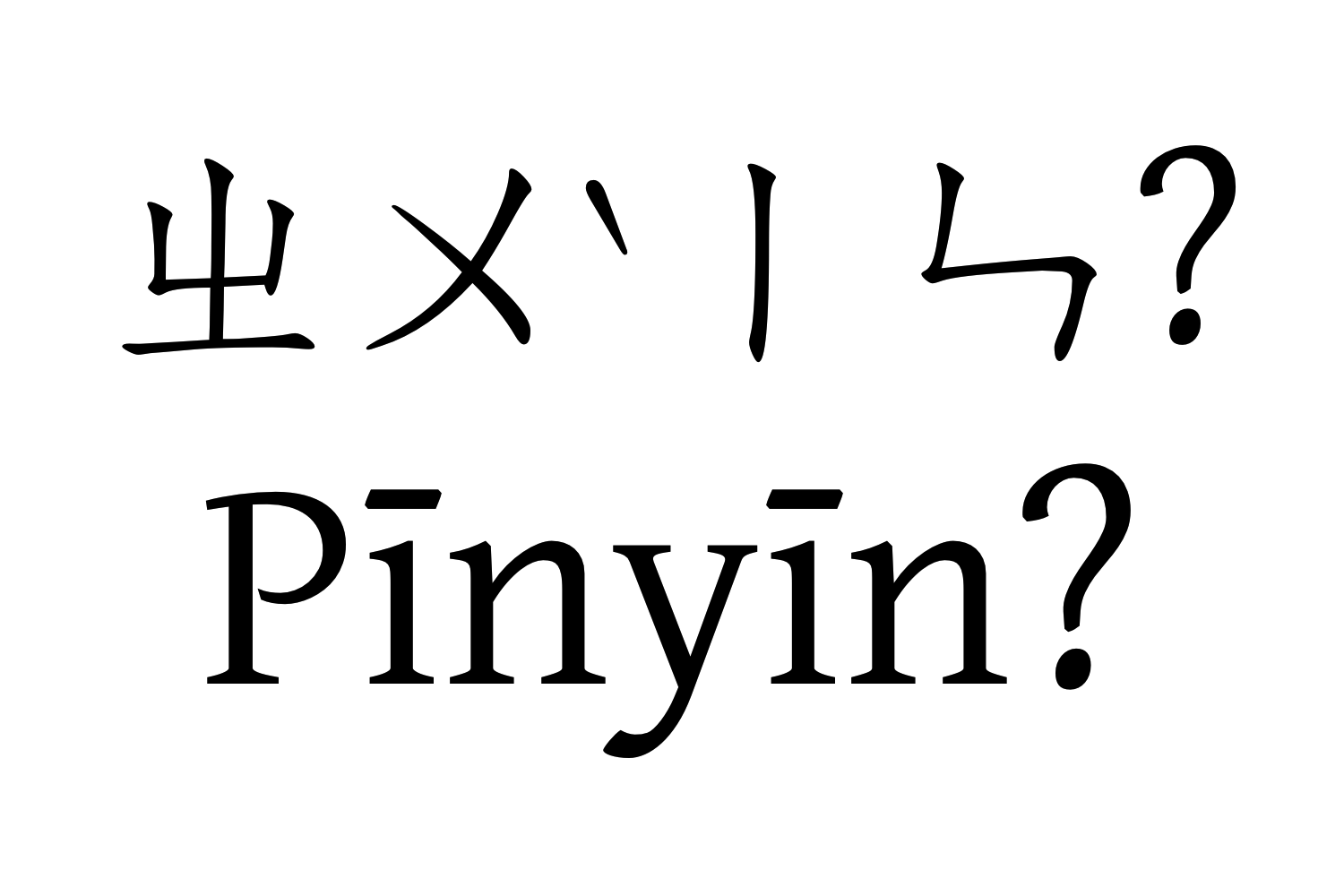
ㄓㄨ`ㄧㄣ? Pīnyīn?

Comments are enabled on this blog, so if you are so inclined, comment away!


A news feed for this blog is available here.


Sunday, February 15, 2026

MEotW: jìjiào

The Mandarin Expression of the Week is:

How do some nitpick about Pīnyīn while ignoring a huge issue about characters?


Screenshot of “_jìjiào_” in 1 Co. 13:5 (nwtsty, CHS+_Pīnyīn_ WOL)

Screenshot of “jìjiào” in 1 Co. 13:5 (nwtsty, CHS+Pīnyīn WOL)


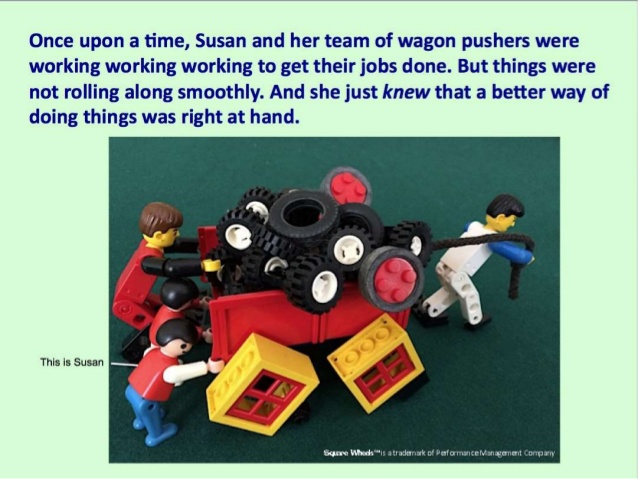
Lego diorama of people pushing a cart with square wheels, when the cart is filled with round wheels

The problem is not that Pīnyīn is like training wheels, because Pīnyīn is actually like regular wheels. The real problem is that characters are like square wheels!


Comments are enabled on this blog, so if you are so inclined, comment away!


A news feed for this blog is available here.


Sunday, December 21, 2025

MEotW: gòngtōng

The Mandarin Expression of the Week is:

Are Chinese characters really more universal than alphabetic writing systems are?


Comments are enabled on this blog, so if you are so inclined, comment away!


A news feed for this blog is available here.


Sunday, November 02, 2025

MEotW: cùnbù‐bù‐lí

The Mandarin Expression of the Week is:

How can we express in Mandarin our determination to stick to the truth?


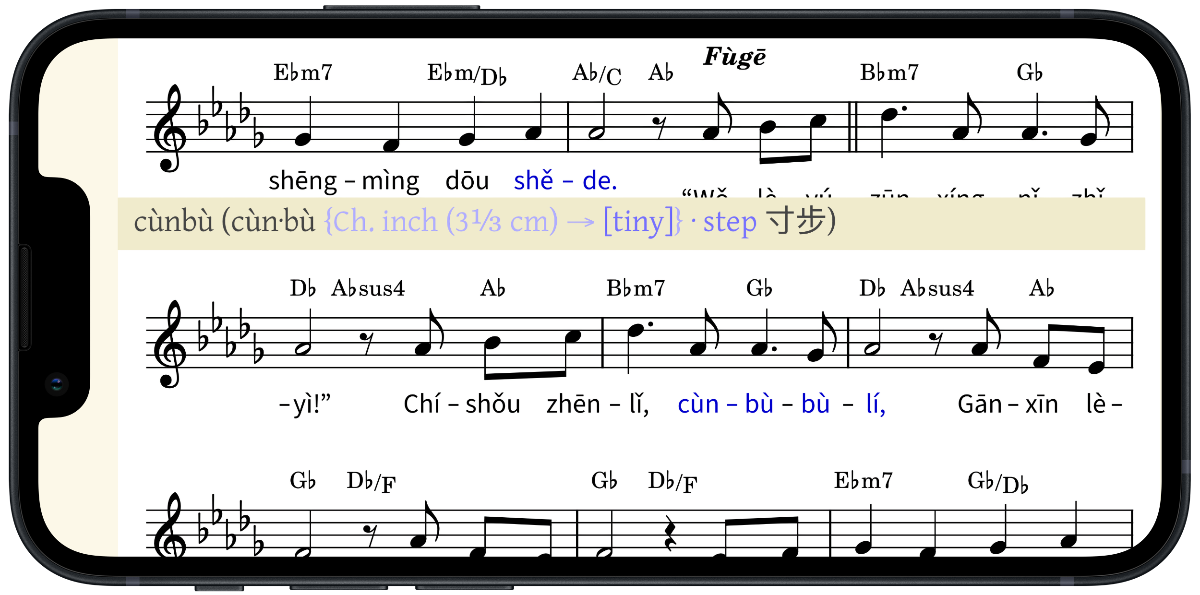
“cùnbù‐bù‐lí” _Pīnyīn_ Plus info, Song 161 (music+_Pīnyīn_), on iPhone 13 mini (landscape orientation)

This week’s MEotW in the unofficial Pīnyīn Plus resource “Sing Out Joyfully” Bk. (Pīnyīn+Music, Pīnyīn Plus, Web)


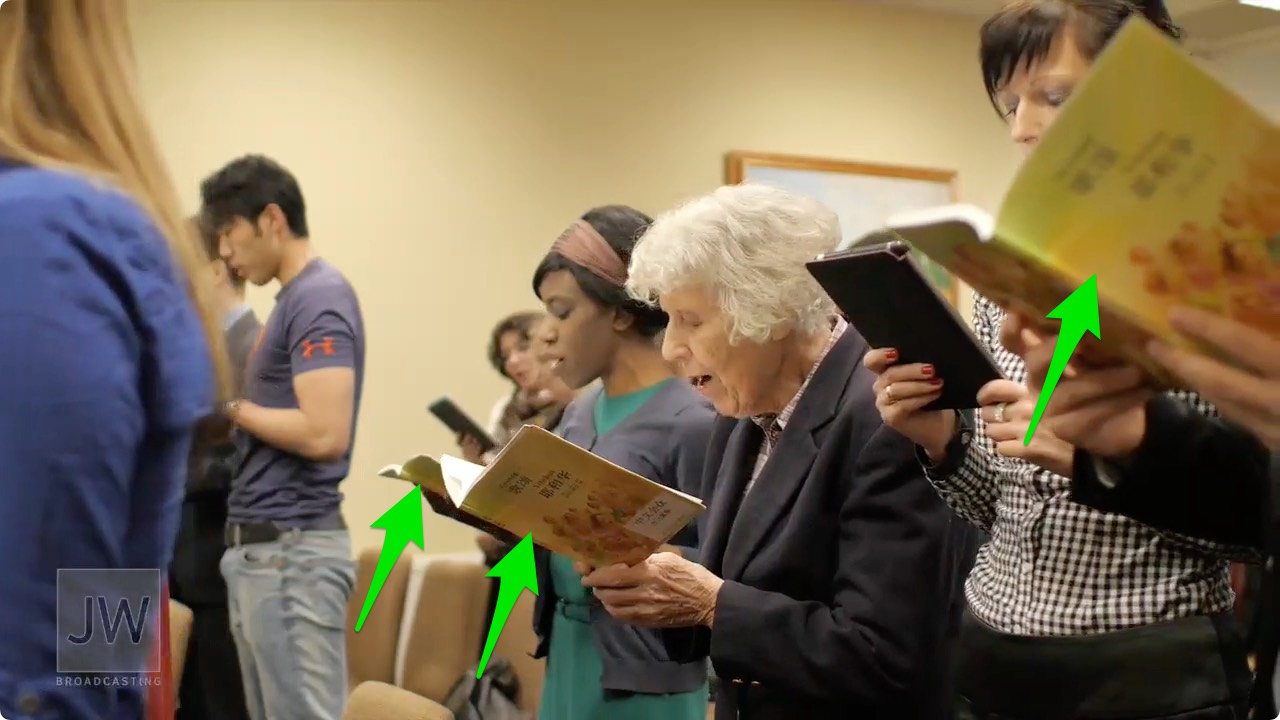
Screenshot of Sis. Margarita Königer and others using official _Pīnyīn_ _Sing to Jehovah_ songbooks with musical notation

A screenshot from an official video, of Sis. Margarita Königer and others using official Pīnyīn Sing to Jehovah songbooks with musical notation


Comments are enabled on this blog, so if you are so inclined, comment away!


A news feed for this blog is available here.


Friday, May 23, 2025

MEotW: yǔzú

The Mandarin Expression of the Week is:

How closely—or distantly—related are Mandarin and Cantonese? Are Mandarin, Cantonese, etc. just dialects of “Chinese”?


Comments are enabled on this blog, so if you are so inclined, comment away!


A news feed for this blog is available here.


Sunday, March 02, 2025

MEotW: wúkě‐bǐnǐ

The Mandarin Expression of the Week is:

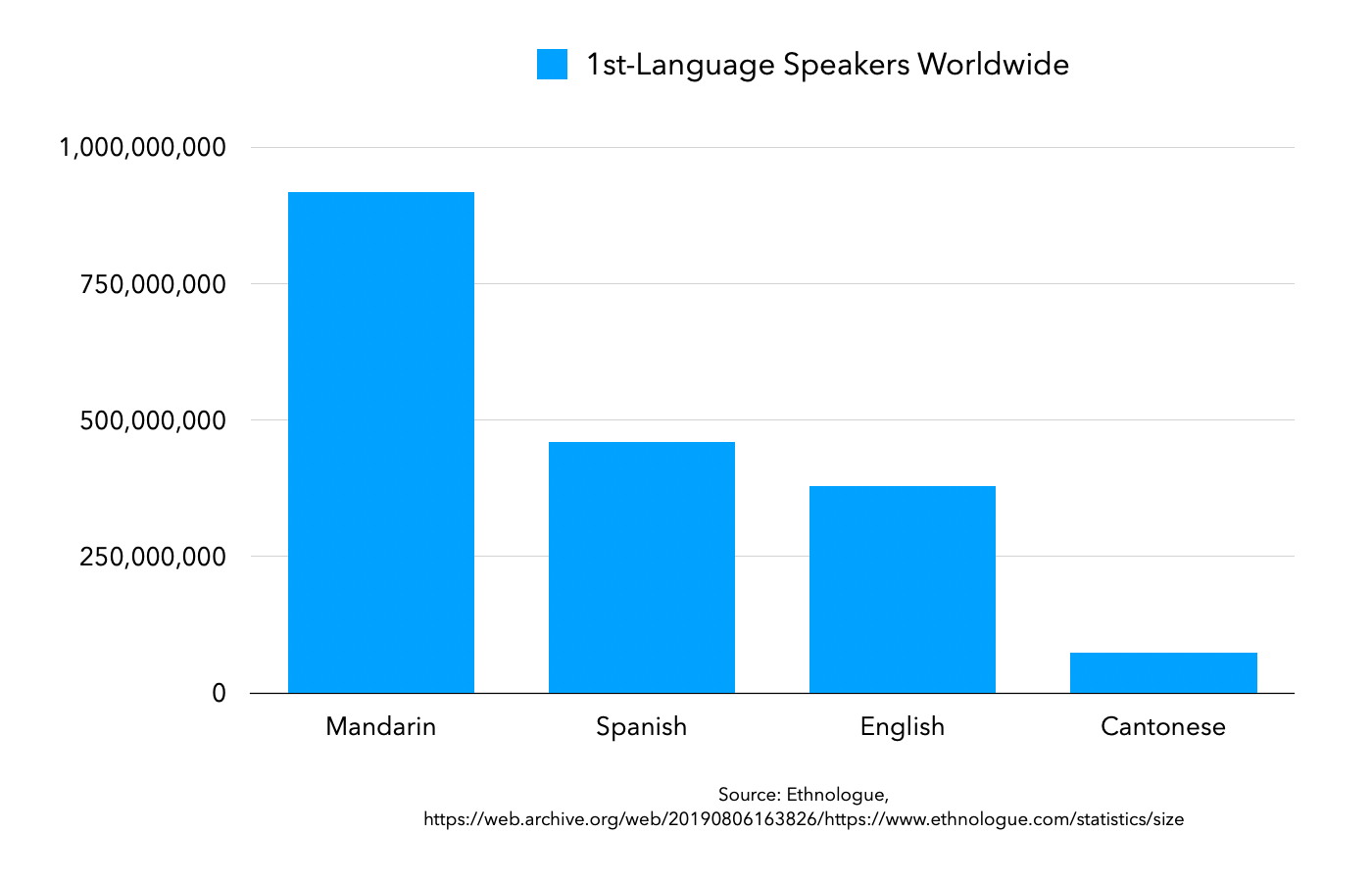
How can we tell Mandarin-speaking people that no one and nothing compares to Jehovah? What shows how great the need is in the worldwide Mandarin field?


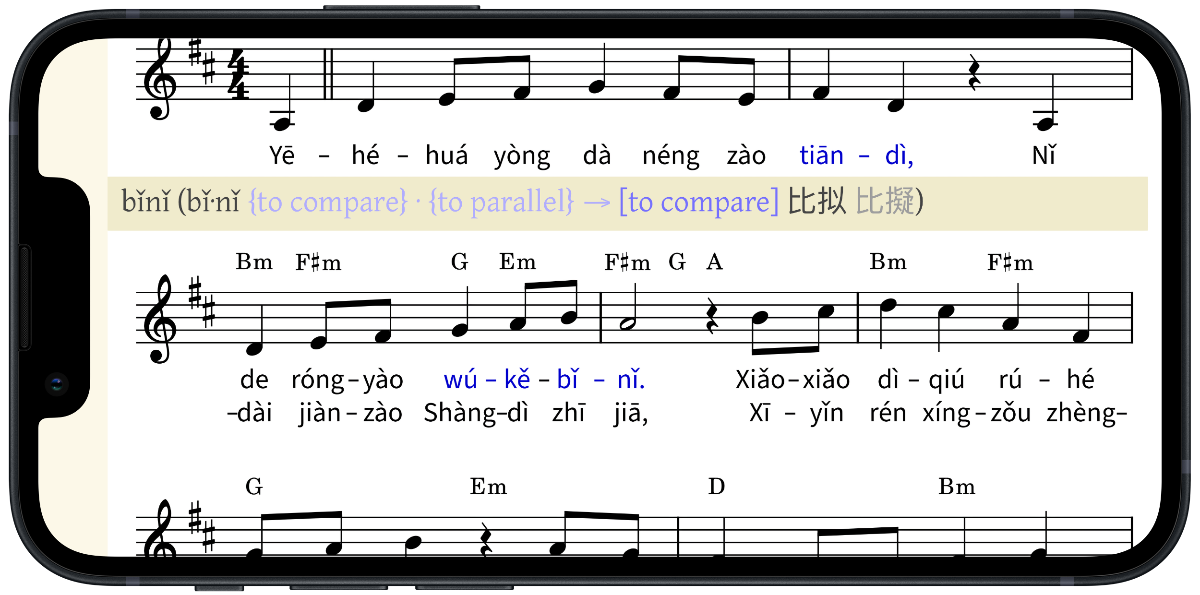
“wúkě‐bǐnǐ” _Pīnyīn_ Plus info, Song 152 (music+_Pīnyīn_), on iPhone 13 mini (landscape orientation)

Chart: Languages by First-Language Speakers—2019

Comments are enabled on this blog, so if you are so inclined, comment away!


A news feed for this blog is available here.


Sunday, December 29, 2024

MEotW: qiānqiū‐wàndài

The Mandarin Expression of the Week is:

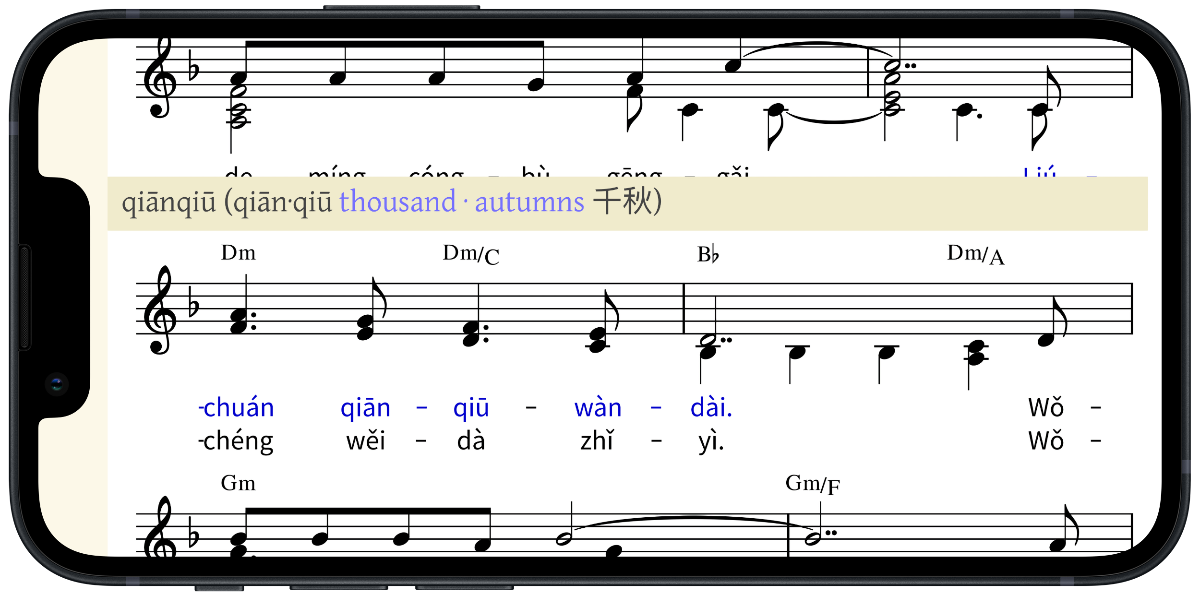
Is it worthwhile to produce material with musical notation for the Mandarin field?


“qiānqiū” _Pīnyīn_ Plus info, Song 2 (music+_Pīnyīn_), on iPhone 13 mini (landscape orientation)

Comments are enabled on this blog, so if you are so inclined, comment away!


A news feed for this blog is available here.


Tuesday, December 04, 2018

The Article “Pīnyīn is a Good, Workable Writing System On Its Own” Has Been Revised

The recent revisions to the article “Pīnyīn is a Good, Workable Writing System On Its Own” have been revised, to emphasize that Pīnyīn helps Mandarin-learners to take advantage of the familiarity of the Latin alphabet, with no downside necessary:

What about the claim by some English-speaking Mandarin-learners that using Pīnyīn causes their Mandarin to sound like English? This can indeed happen if they let the Latin letters of Pīnyīn make them think of English sounds instead of the Mandarin sounds that they actually represent. In such cases, the problem is not with the Latin alphabet letters used by Pīnyīn—the Latin alphabet is used successfully to write many languages besides English, including French, Spanish, Vietnamese, etc., and it is just as capable of being used successfully to write Mandarin. As English-speaking Mandarin-learners get more familiar with the sounds of correct Mandarin speech, they can come to get used to correctly mentally connecting Pīnyīn to correct Mandarin sounds, rather than to English sounds. Then, they can regularly and reliably use Pīnyīn to help them speak Mandarin-sounding Mandarin, just like people regularly and reliably use written French to help them speak French-sounding French.

So, the key to speaking Mandarin-sounding Mandarin is to mentally get familiar with the sounds of correct Mandarin speech, e.g., by hearing the sounds of correct Mandarin speech a lot, by learning how to use the mouth, tongue, etc. to make Mandarin speech sounds correctly, and by practising making Mandarin speech sounds correctly. Turning to Chinese characters and avoiding the Latin letters of Pīnyīn is not the only or best way to go—if you are not familiar with the sounds of correct Mandarin speech, then your spoken Mandarin is still going to sound off, even if you stick with Chinese characters.

So, Pīnyīn is not necessarily less effective than the hard-to-learn-and-remember characters are at helping people to speak Mandarin-sounding Mandarin. In fact, once people mentally get familiar with the sounds of correct Mandarin speech and get used to connecting those sounds to the familiar Latin alphabet letters of Pīnyīn, Pīnyīn then allows them to leverage or take advantage of their familiarity with the Latin alphabet, such that that familiarity enables them to more easily and more confidently speak Mandarin that is more precisely correct. E.g., with Pīnyīn, no more does anyone need to be uncertain about how in the world “增加” is pronounced, or about whether it starts with a “z” sound or a “zh” sound—the Pīnyīn (“zēngjiā”) uses familiar Latin alphabet letters to literally spell out the correct Mandarin pronunciation so that it is clear and obvious!

Tuesday, November 27, 2018

The Article “Pīnyīn is a Good, Workable Writing System On Its Own” Has Been Revised

The article “Pīnyīn is a Good, Workable Writing System On Its Own” has been revised, with the addition of these two paragraphs addressing the issue of whether Pīnyīn unavoidably causes English-speaking Mandarin-learners’ Mandarin to sound like English:

What about the claim by some English-speaking Mandarin-learners that using Pīnyīn causes their Mandarin to sound like English? This can indeed happen if they let the Latin letters of Pīnyīn make them think of English sounds instead of the Mandarin sounds that they actually represent. In such cases, the problem is not with the Latin alphabet letters used by Pīnyīn—the Latin alphabet is used successfully to write many languages besides English, including French, Spanish, Vietnamese, etc., and it is just as capable of being used successfully to write Mandarin. As English-speaking Mandarin-learners get more familiar with the sounds of correct Mandarin speech, they can come to get used to correctly mentally connecting Pīnyīn to correct Mandarin sounds, rather than to English sounds. Then, they can regularly and reliably use Pīnyīn to help them speak Mandarin-sounding Mandarin, just like people regularly and reliably use written French to help them speak French-sounding French.

So, the key to speaking Mandarin-sounding Mandarin is to mentally get familiar with the sounds of correct Mandarin speech, e.g., by hearing the sounds of correct Mandarin speech a lot, by learning how to use the mouth, tongue, etc. to make Mandarin speech sounds correctly, and by practising making Mandarin speech sounds correctly. Turning to Chinese characters and avoiding the Latin letters of Pīnyīn is not the only or best way to go—if you are not familiar with the sounds of correct Mandarin speech, then your spoken Mandarin is still going to sound off, even if you stick with Chinese characters. In fact, rather than being less effective than the hard-to-learn-and-remember characters are at helping people speak Mandarin-sounding Mandarin, once people mentally work out the connections between Pīnyīn and Mandarin speech sounds, Pīnyīn can help them to more easily and more confidently speak Mandarin that is more precisely correct. E.g., with Pīnyīn, no more does anyone need to be uncertain about how in the world “增加” is pronounced, or about whether it starts with a “z” sound or a “zh” sound—the Pīnyīn (“zēngjiā”) makes the correct Mandarin pronunciation clear and obvious!

Also, scripture links have been revised to point to the latest 2018 version of the New World Translation on the WOL.