Showing posts with label pride. Show all posts

Sunday, August 16, 2026

MEotW: Zhōngguó

The Mandarin Expression of the Week is:
How has the worldly nation of China long viewed itself?


The earliest known appearance of Zhōngguó (中國), inscribed on the Western Zhōu bronze vessel Hé Zūn

The earliest known appearance of “Zhōngguó (中國)”, inscribed on the Western Zhōu bronze vessel Hé Zūn


Comments are enabled on this blog, so if you are so inclined, comment away!


A news feed for this blog is available here.


Sunday, July 26, 2026

MEotW: nándào

The Mandarin Expression of the Week is:

How can we ask rhetorical questions in Mandarin?


Comments are enabled on this blog, so if you are so inclined, comment away!


A news feed for this blog is available here.


Sunday, January 25, 2026

MEotW: hélí

The Mandarin Expression of the Week is:

How can the beaver’s impressive industriousness and construction ability help us to reach the hearts of people in the Mandarin field?


Screenshot of article “The Beaver’s Construction Ability” on jw.org

A screenshot of the article “The Beaver’s Construction Ability” on jw.org


Comments are enabled on this blog, so if you are so inclined, comment away!


A news feed for this blog is available here.


Sunday, January 11, 2026

MEotW: bìyào

The Mandarin Expression of the Week is:

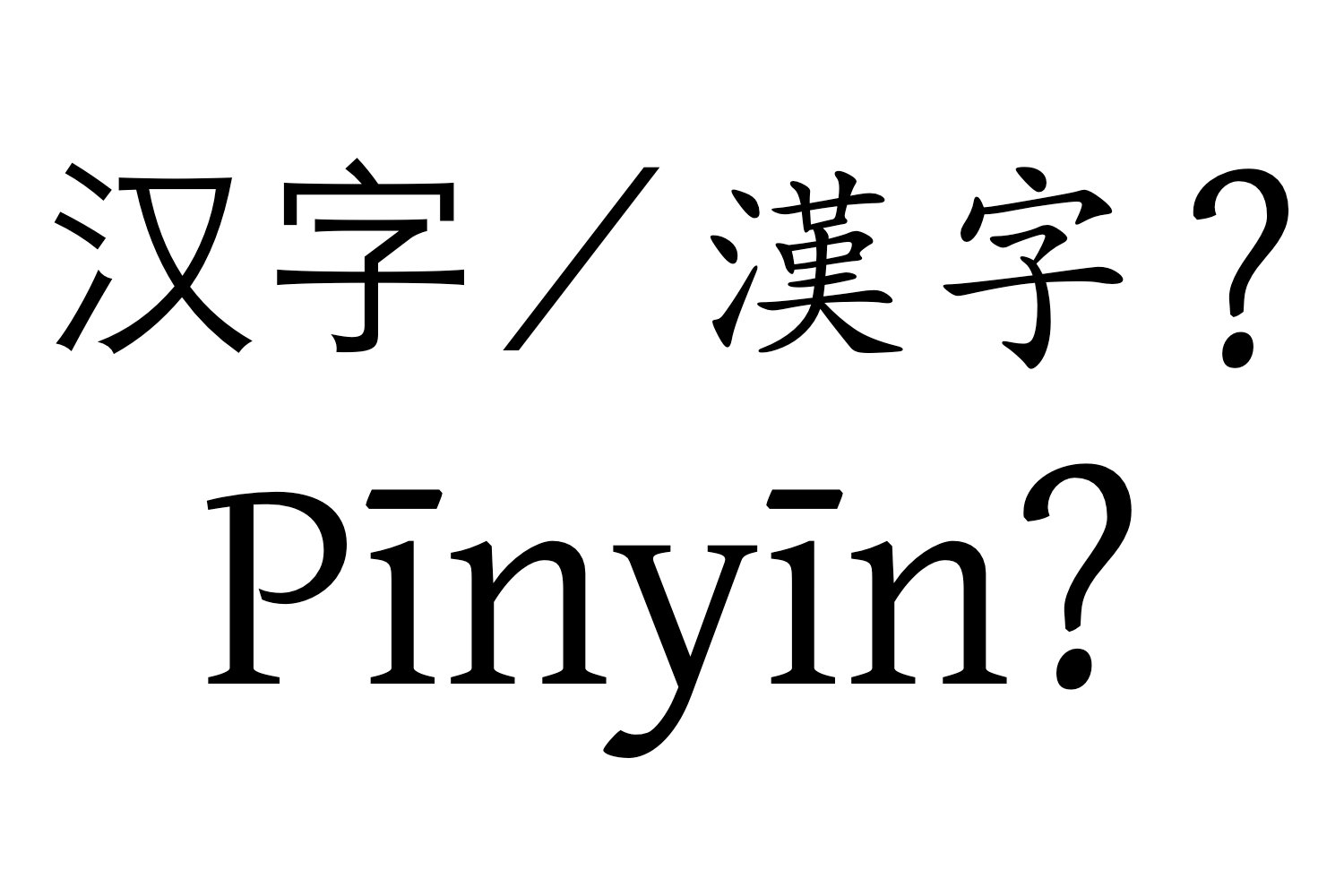
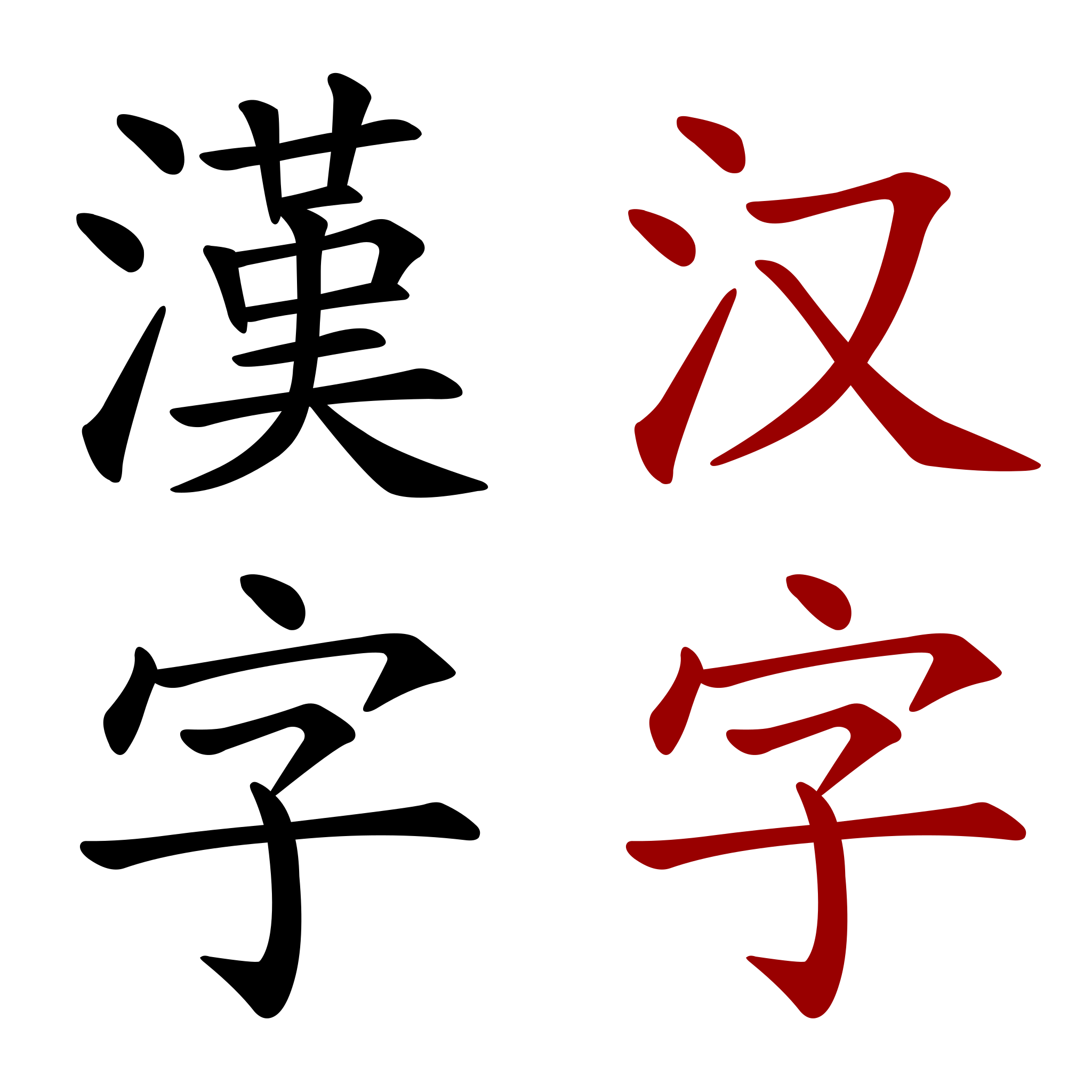
Are Chinese characters really indispensable? Is it really true that the Chinese languages cannot be written alphabetically?


汉字 / 漢字? Pīnyīn?


Comments are enabled on this blog, so if you are so inclined, comment away!


A news feed for this blog is available here.

Sunday, October 19, 2025

MEotW: dòngnù

The Mandarin Expression of the Week is:

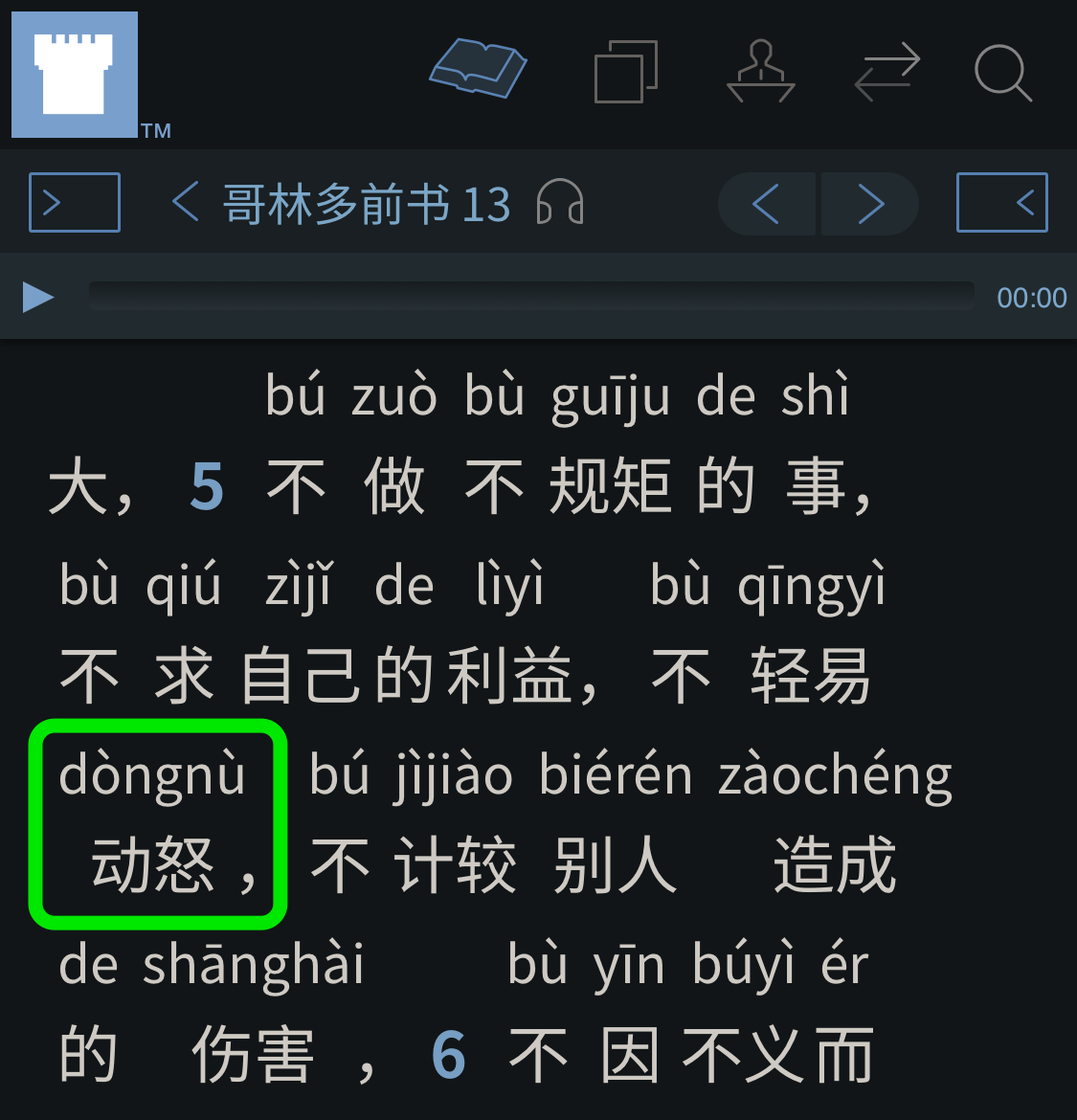
Is anger an appropriate reaction to the suggestion to focus less on characters and more on Pīnyīn?


Screenshot of “_dòngnù_” in 1 Co. 13:5 (nwtsty, CHS+_Pīnyīn_ WOL)

Comments are enabled on this blog, so if you are so inclined, comment away!


A news feed for this blog is available here.

Monday, September 15, 2025

MEotW: Hànzì

The Mandarin Expression of the Week is:

In the big picture, how should we Mandarin field language learners view Chinese characters?


漢字 汉字

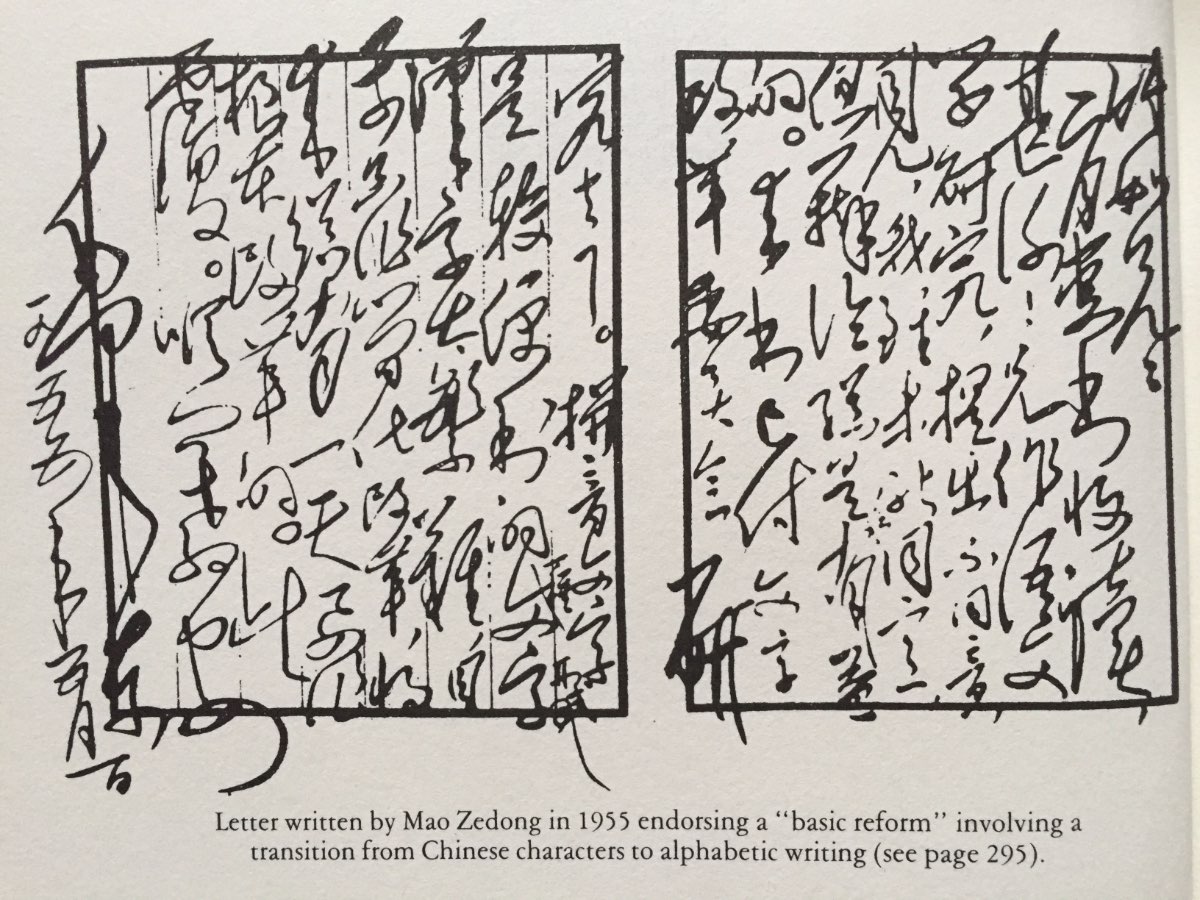
Letter from Mao Zedong re a “basic reform” of Chinese writing, involving a transition from Chinese characters to alphabetic writing

(The above picture is from near the beginning of the book The Chinese Language: Fact and Fantasy, by John DeFrancis.)


Comments are enabled on this blog, so if you are so inclined, comment away!


A news feed for this blog is available here.

Sunday, June 29, 2025

MEotW: Zhōngwén

The Mandarin Expression of the Week is:

How do human language experts and God’s Word disagree with traditional Chinese culture regarding what aspect of Mandarin should be the primary focus of Mandarin field language learners?


Comments are enabled on this blog, so if you are so inclined, comment away!


A news feed for this blog is available here.

Sunday, June 01, 2025

MEotW: róngyào

The Mandarin Expression of the Week is:

In the Mandarin field, what kinds of glory should we be mindful of?


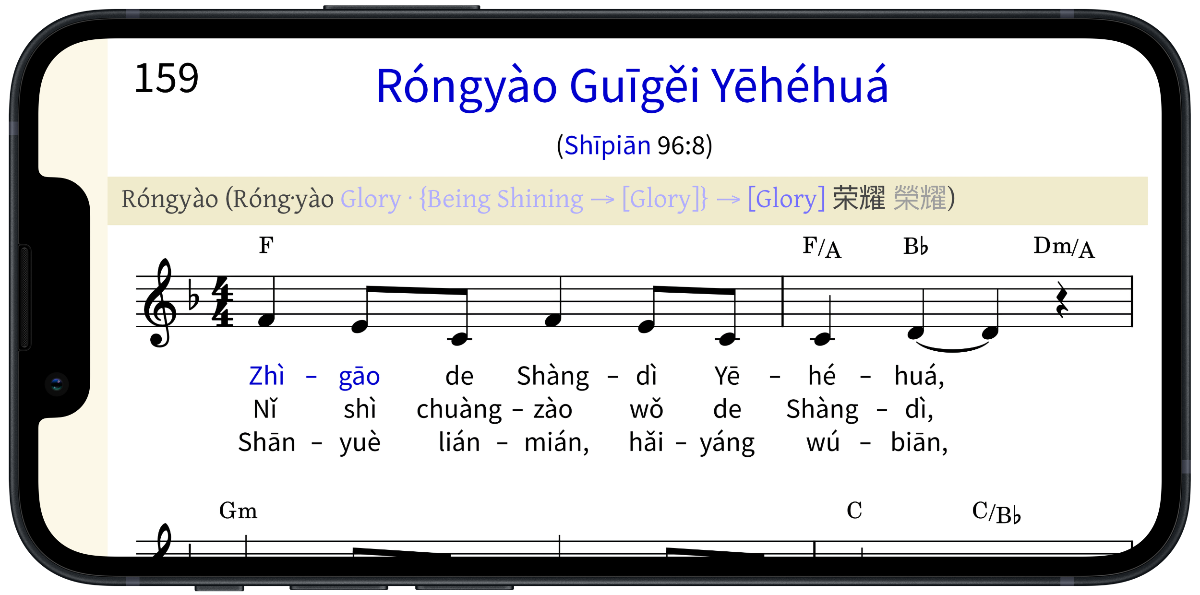
“Róngyào” _Pīnyīn_ Plus info, Song 159 (music+_Pīnyīn_), on iPhone 13 mini (landscape orientation)

Comments are enabled on this blog, so if you are so inclined, comment away!


A news feed for this blog is available here.

Sunday, February 23, 2025

MEotW: zìmǎn

The Mandarin Expression of the Week is:

How can pondering the Needham Question help us in the Mandarin field?


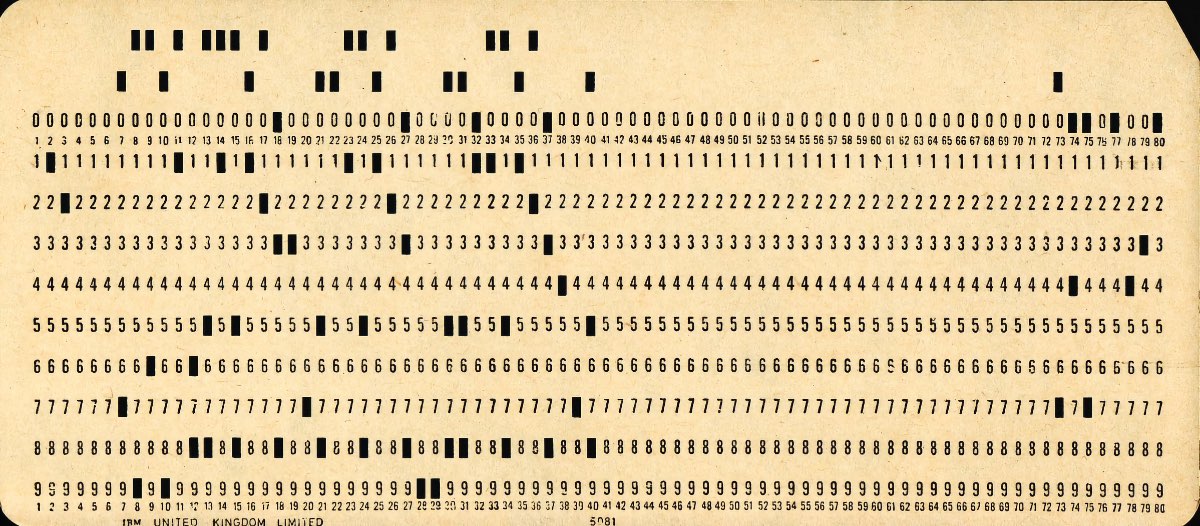
Punched card used to load software into an old mainframe computer
Chinese characters are the punched cards of writing systems. Punched cards were not totally impossible to use, but there are now much better and easier-to-use ways to control computers.
Creative Commons Attribution License logo BinaryApe


Comments are enabled on this blog, so if you are so inclined, comment away!


A news feed for this blog is available here.

Sunday, February 09, 2025

MEotW: guīju

The Mandarin Expression of the Week is:

In the Mandarin field, how can we avoid acting indecently in God’s eyes?


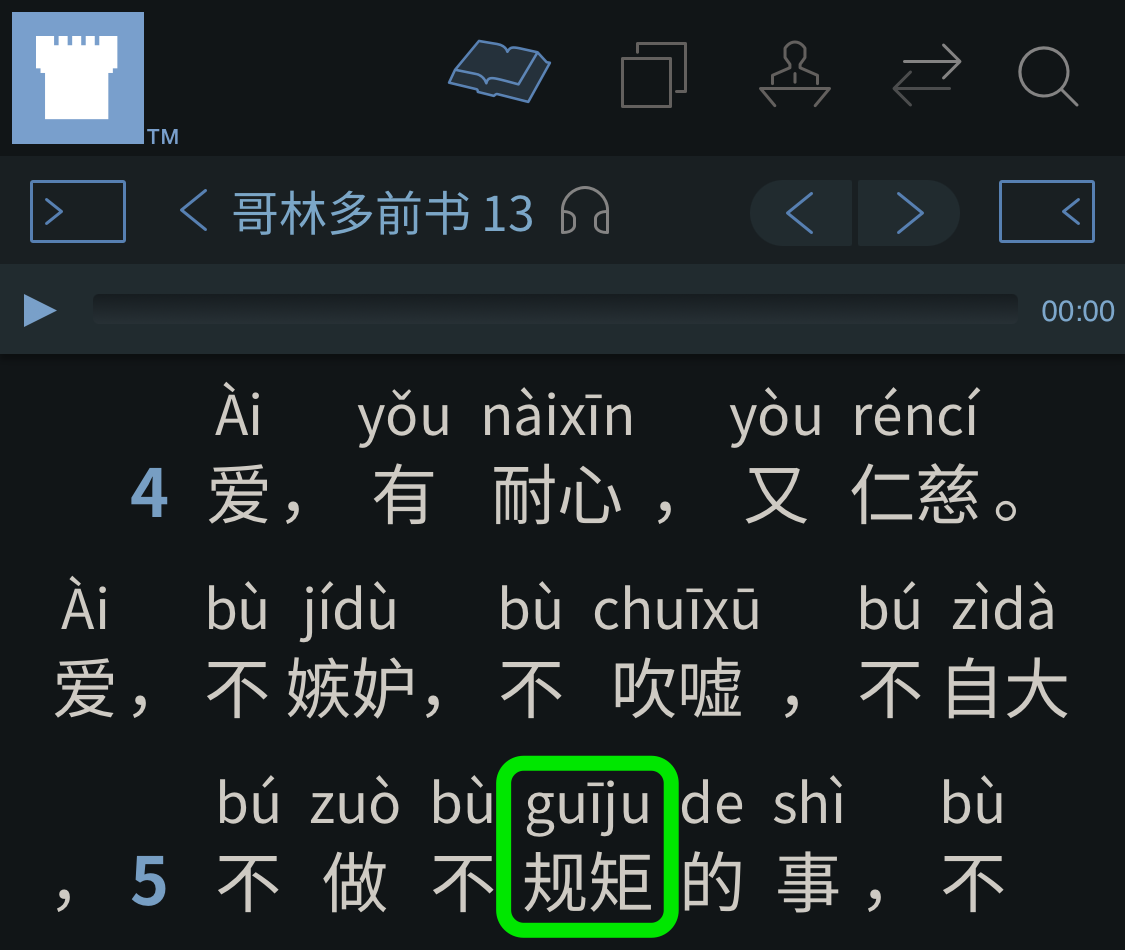
Screenshot of “_guīju_” in 1 Co. 13:5 (nwtsty, CHS+_Pīnyīn_ WOL)

In God's organization, our unity is based on God's truth, not on human tradition.

[image or embed]

— tiandi, Links News (@tiandilinksnews.bsky.social) February 2, 2025 at 8:27 AM

Comments are enabled on this blog, so if you are so inclined, comment away!


A news feed for this blog is available here.


Sunday, January 26, 2025

MEotW: Lǐ Huá

The Mandarin Expression of the Week is:

Who is Lǐ Huá? Why have so many Chinese people and American people been talking about Lǐ Huá on the Chinese social media app Xiǎohóngshū (RedNote)?


The Great Wall of China

Comments are enabled on this blog, so if you are so inclined, comment away!


A news feed for this blog is available here.

Sunday, December 01, 2024

MEotW: zìdà

The Mandarin Expression of the Week is:

In the Mandarin field, how can we avoid being inferior B players or unserious tourists?


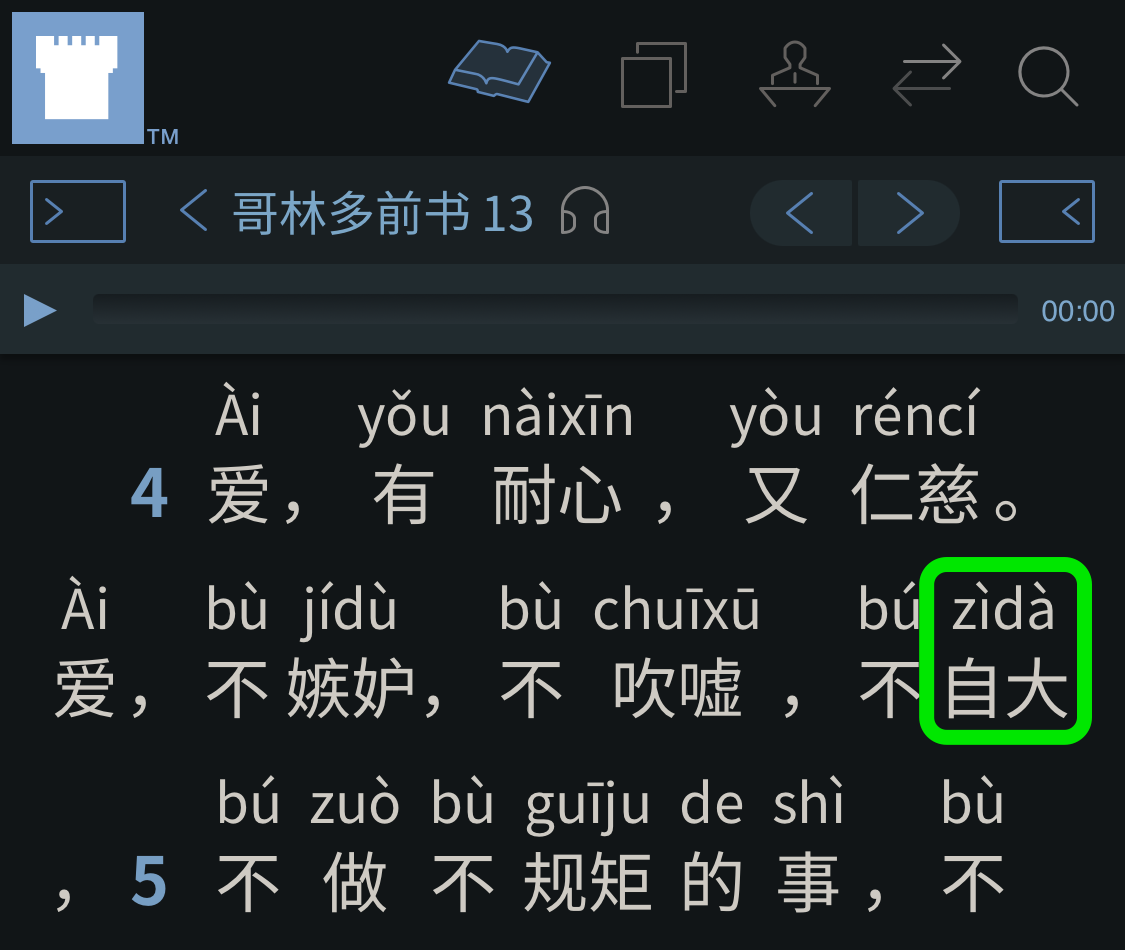
Screenshot of “_zìdà_” in 1 Co. 13:4 (nwtsty, CHS+_Pīnyīn_ WOL)


Comments are enabled on this blog, so if you are so inclined, comment away!


A news feed for this blog is available here.


Sunday, September 29, 2024

MEotW: chuīxū

The Mandarin Expression of the Week is:

Might Chinese characters present a test for Mandarin field language learners? If so, what might they test?


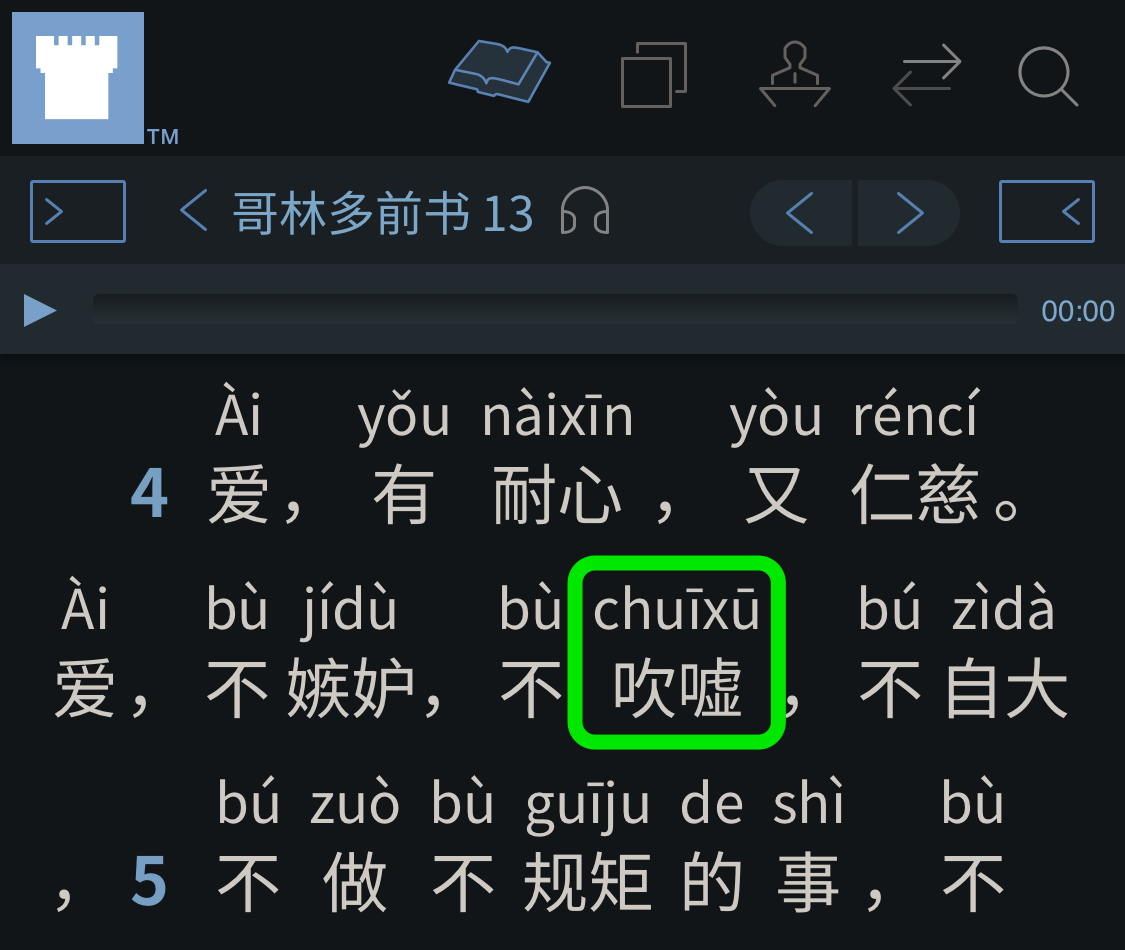
Screenshot of “_chuīxū_” in 1 Co. 13:4 (nwtsty, CHS+_Pīnyīn_ WOL)

The Great Wall of China

Comments are enabled on this blog, so if you are so inclined, comment away!


A news feed for this blog is available here.

Saturday, August 10, 2024

MEotW: háowú

The Mandarin Expression of the Week is:

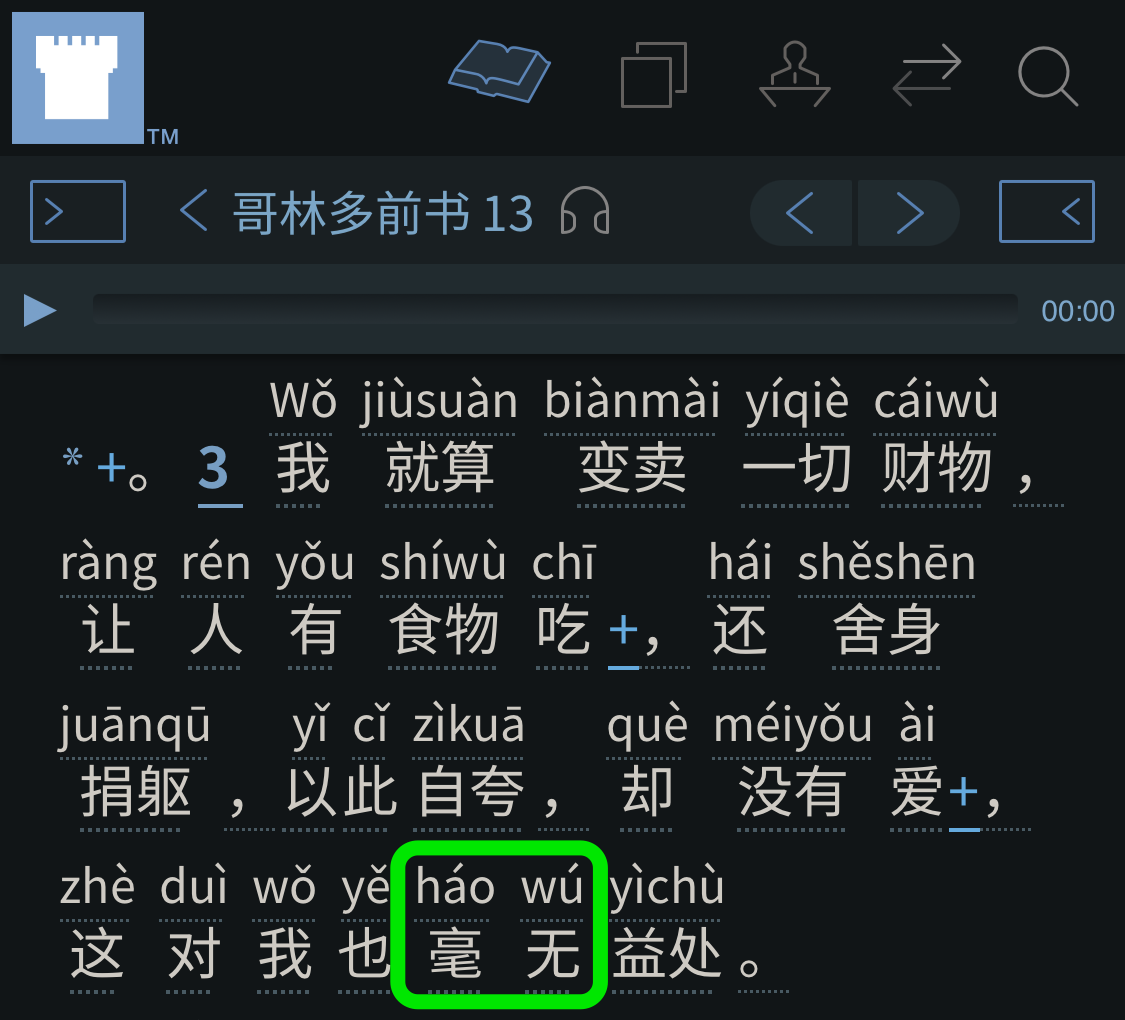
How does the Mandarin NWT Bible’s translation of 1 Corinthians 13:3 emphasize to us how futile it is to do things out of pride and not out of love?


Screenshot of “_háowú_” in 1 Co. 13:3 (nwtsty, CHS+_Pīnyīn_ WOL)

Comments are enabled on this blog, so if you are so inclined, comment away!


A news feed for this blog is available here.

Sunday, July 14, 2024

MEotW: jiàoyù

The Mandarin Expression of the Week is:

Why should Mandarin field language learners be wary of what the world’s education system teaches people about Chinese characters?


Comments are enabled on this blog, so if you are so inclined, comment away!


A news feed for this blog is available here.

Saturday, June 08, 2024

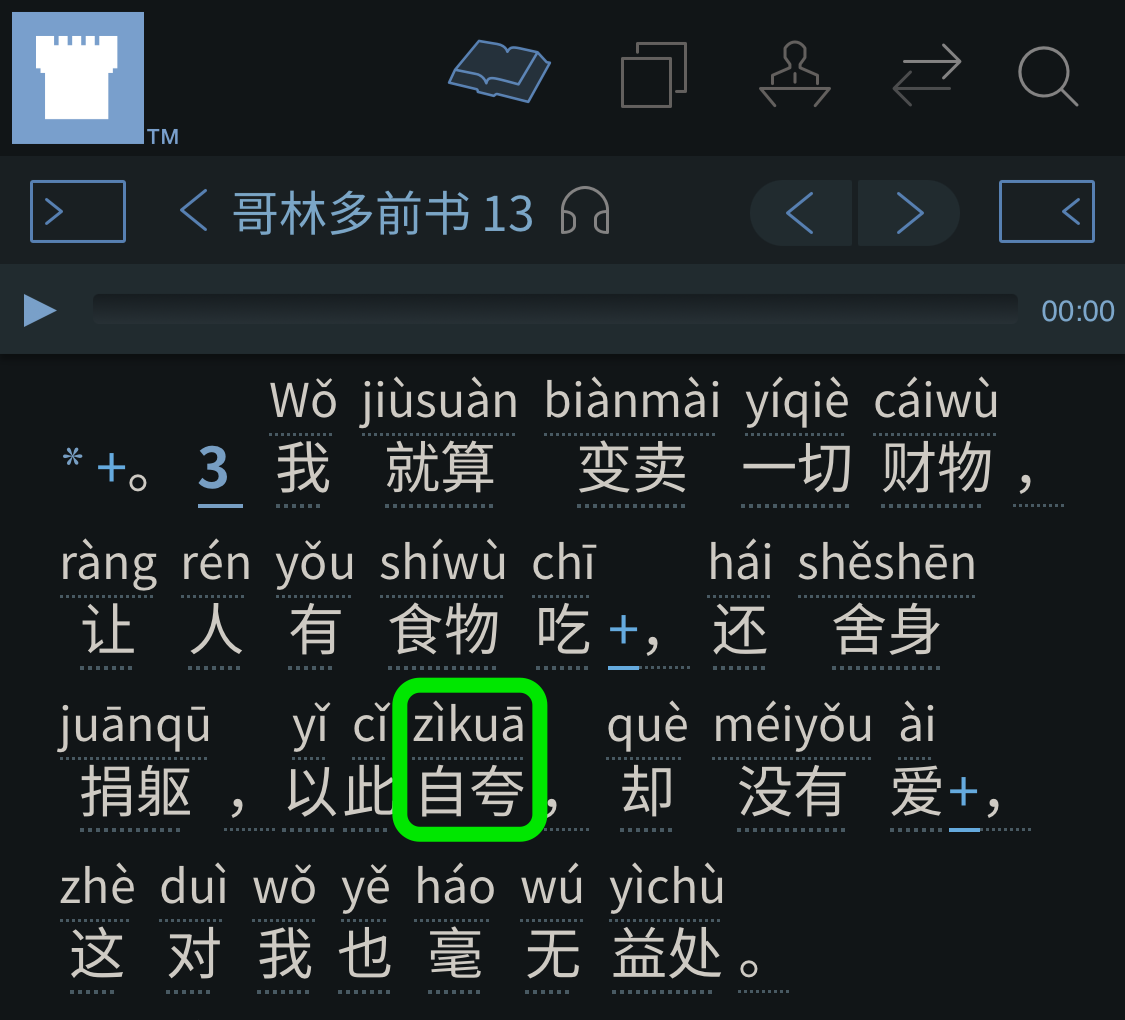
MEotW: zìkuā

The Mandarin Expression of the Week is:

Is Jehovah God impressed by one who boasts about having deep knowledge of Chinese characters?


Screenshot of “_zìkuā_” in 1 Co. 13:3 (nwtsty, CHS+_Pīnyīn_ WOL)

Comments are enabled on this blog, so if you are so inclined, comment away!


A news feed for this blog is available here.

Sunday, June 02, 2024

MEotW: jítǐ zhǔyì

The Mandarin Expression of the Week is:

How might collectivism and zero-sum thinking be connected to the obsessive attachment many have to Chinese characters?


Comments are enabled on this blog, so if you are so inclined, comment away!


A news feed for this blog is available here.

Friday, April 05, 2024

MEotW: gāo’ào

The Mandarin Expression of the Week is:

How did the Pharaoh that Moses and Aaron dealt with prove himself to be a bozo? How have many Chinese scholars acted similarly?


Comments are enabled on this blog, so if you are so inclined, comment away!


A news feed for this blog is available here.


Thursday, March 07, 2024

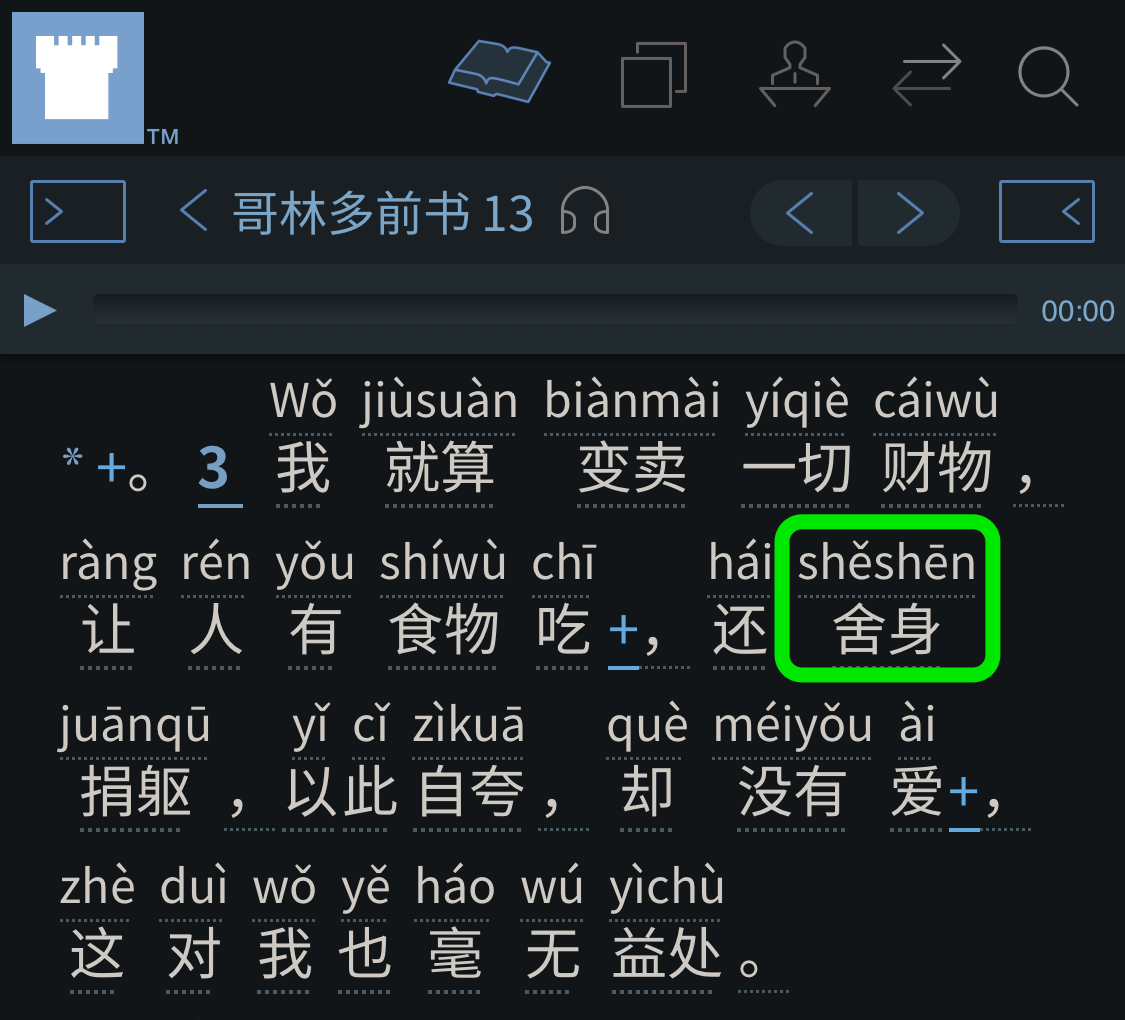
MEotW: shěshēn

The Mandarin Expression of the Week is:

Are Chinese characters worthy and good just because they’re hard?


Comments are enabled on this blog, so if you are so inclined, comment away!


Screenshot of “_shěshēn_” in 1 Co. 13:3 (nwtsty, CHS+_Pīnyīn_ WOL)


The Great Wall of China


A news feed for this blog is available here.


Friday, February 09, 2024

MEotW: xīndé

The Mandarin Expression of the Week is:

In the Chinese fields, is it enough to just fill our minds with knowledge about Chinese characters?


Comments are enabled on this blog, so if you are so inclined, comment away!


A news feed for this blog is available here.