Sunday, July 26, 2026

MEotW: nándào

The Mandarin Expression of the Week is:

How can we ask rhetorical questions in Mandarin?


Comments are enabled on this blog, so if you are so inclined, comment away!


A news feed for this blog is available here.


Sunday, July 19, 2026

MEotW: jī‐tóng‐yā‐jiǎng

The Mandarin Expression of the Week is:

What are some factors affecting whether or not Mandarin field language learners know certain basic truths about the Chinese languages?


Chart: Languages by First-Language Speakers—2019

Allowing various untruths to continue to divert and bog down the language-learning efforts of those who come to help in the worldwide Mandarin field can have incalculable overall negative effects on the preaching work in this enormous field.


Comments are enabled on this blog, so if you are so inclined, comment away!


A news feed for this blog is available here.


Friday, July 17, 2026

Pīnyīn Plus: The Next Generation

As of this writing, about halfway through 2026, one recent set of analytics data from my web server hosting various kinds of Mandarin field language learning resources suggests that there continue to be relatively many Mandarin field language learners who like the 3-line format of always-visible parallel lines of Pīnyīn, English, and Chinese characters. Interestingly, though, other recent data from the same source suggests that there is also a relatively large and growing number of Mandarin field language learners who appreciate seeing just Pīnyīn on its own.


Some say that they find “just” Pīnyīn to be “lacking in meaning”, but it’s evident that, because of deeply ingrained tradition and habit, as well as a huge ball and chain (one of the biggest ever) of cultural inertia, such ones have simply become accustomed to the peacocky (and potentially linguistically idolatrous) visual displays of Chinese characters, and are just not yet used to seeing Pīnyīn on its own. Also, Pīnyīn straightforwardly represents Mandarin speech, and experience has shown that many Mandarin field language learners, for example, who have followed tradition and focused on Chinese characters have thus neglected Mandarin speech. Naturally, then, they are not yet very familiar with Mandarin speech, with the result that they are not able to get much meaning out of Pīnyīn. Another possible factor is that such ones may be using the only-sometimes relevant-to-meaning visual designs of characters as a crutch to compensate for their lack of actual understanding of Mandarin speech—dependance in addition to misplaced focus—and so they may feel out of their comfort zone if they see only Pīnyīn, and they voluntarily reach for the ball and chain of the characters instead.


Chinese characters are a ball and chain made of human tradition.

Apparently, though, more and more Mandarin field language learners are getting used to seeing Pīnyīn being used on its own as the full writing system that it actually is, and not just as a pronunciation aid. Also, it seems that more and more Mandarin field language learners are gradually succeeding in actually getting familiar with Mandarin speech, resulting in them being able to appreciate more and more the rich meaning that has been baked into “just” Pīnyīn all along, since, as mentioned above, Pīnyīn is just a straightforward representation of Mandarin speech, and, as God’s Word itself says at 1 Corinthians 14:10, “no kind [of speech] is without meaning”.


At this point, it’s probably good to be reminded of what our primary goal as Mandarin field language learners should be, as shown by the above-mentioned scripture and some of its surrounding context:

“For if the trumpet sounds an indistinct call, who will get ready for battle? In the same way, unless you with the tongue use speech that is easily understood, how will anyone know what is being said? You will, in fact, be speaking into the air. It may be that there are many kinds of speech in the world, and yet no kind is without meaning. For if I do not understand the sense of the speech, I will be a foreigner to the one speaking, and the one speaking will be a foreigner to me.”—1 Corinthians 14:8–11.

Yes, it’s true that the world’s traditional Mandarin language instructors emphasize learning Chinese characters—all the better to perpetuate and glorify traditional worldly human Chinese culture, that many of them are quite proud of. However, what does Jehovah God himself say, our Grand Creator who actually invented human language and custom-designed our bodies to use it? He plainly tells us in his Word that in order to effectively share the good news and glorify God—not just some imperfect humans and their culture—in a foreign language, what we really need to master is actually that language’s “speech that is easily understood”.

A Default Twilight Zone?

In an effort to be in harmony with that basic principle, when Pīnyīn Plus material was first developed, its default setting was to show only Pīnyīn, which directly represents Mandarin speech—the Pīnyīn Plus “flashcards”, with the associated English translations, Chinese characters, etc., would only be shown when the user actively did something, like tap or click on a Pīnyīn expression or select the option to show all the “flashcards”. However, I was concerned that new users would never know to do something to display the “flashcards”, since many of them were probably used to how 3-line material (and pre-existing reading material in general) just shows all its available information all the time, without users having to do anything special after loading it. So, they might never realize that the kind of information that they were used to from 3-line material (even more information than that, actually) was available, and that it was just initially hidden to promote focus on the Pīnyīn and the Mandarin speech it represents.


To help clue users in to the fact that in Pīnyīn Plus material, “flashcards” full of rich language-learning information are available on demand for them to see, I added to the Pīnyīn Plus format the ability to mark, behind the scenes, certain selected relatively advanced Pīnyīn expressions, and I changed the initial default setting to show the “flashcards” for only these selected relatively advanced expressions when a page of Pīnyīn Plus material is loaded. (This is the 📄 Reveal Advanced setting, selectable at the top of each page of Pīnyīn Plus material.) This helps to give new users a taste of the rich information available in the Pīnyīn Plus “flashcards”, but it seems that it also puts Pīnyīn Plus material into what for some may be an unsatisfactory twilight zone.


On the one hand, 3-line material satisfies those who are used to seeing everything all the time, as was the only option in the old world of paper, from which 3-line material sprang. For example, English-speaking Mandarin learners who are just starting out on their Mandarin learning journeys undoubtedly find it comforting that the English lines are always visible, providing them a place of safety from which to dip their toes into the murky waters of Mandarin. 3-line material’s always-visible parallel lines also allow Mandarin learners of any level to get into a flow on any one of the available lines, and still instantly refer to one of the other lines as needed or desired. (However, some users find that always being presented with all the English, all the Pīnyīn, and all the Chinese characters is, well, a lot. Also, the always-visible English lines present a constant temptation to English-speaking users, for them to mentally just stay much of the time in the safe and comfortable domain of English. Thus, “getting into a flow” along the always-visible English lines can turn into “being in a rut”, and as time passes, the strange waters of Mandarin remain strange and murky, and never clear up.)


On the other hand, Pīnyīn-only material satisfies those who are used to seeing one writing system at a time (the vast majority of people, for all of their lives), and who have become familiar enough with the Pīnyīn writing system and the Mandarin speech that it represents that they don’t need or want to see anything else, even if they don’t understand some of the Mandarin expressions they encounter. In comparison, Pīnyīn Plus material, with its inline “flashcards” (some of which are visible by default), kind of forces people to occasionally mentally change gears and think about, for example, Mandarin and its meanings and how they relate to English and its meanings. People who are in learning mode and on the lookout for such information probably don’t mind this, and may even welcome this, but when people are just wanting to get through the material with a certain procedural goal in mind (e.g., “I just want to read this out”, or “I just want to follow along as someone reads this out”), they may find the visible inline “flashcards” intrusive.


(On the top of each page of Pīnyīn Plus material, there’s a dropdown menu that lets people choose the 📘 Reveal None setting, which thereafter causes no “flashcards”, and thus only Pīnyīn, to be shown, allowing for smooth, uninterrupted reading. However, as one writer put it, the way humans are, “for most users, the default value is the only value.” Also, even though the Introduction pages of Pīnyīn Plus resources have text that explains this available setting, experience shows that most people don’t read long blocks of text that explain a website, an app, etc. So, if you have gotten this far in this post, congratulations: You are exceptional! 👍🏼)

The Next Generation

With the above observations in mind, and to hopefully better satisfy those who are focused on Pīnyīn and the Mandarin speech it represents—who thus according to 1 Corinthians 14:8–11 are on the right track—I am starting to roll out the next generation of the Pīnyīn Plus format, which I am calling Pīnyīn+. (It’s Pīnyīn Plus—it’s even pronounced the same—but more compact and streamlined.) Pīnyīn+ builds on the Pīnyīn Plus format in the following ways:


Pīnyīn Plus:

  • This material is speech-first and mobile-first in design.
  • The default Pīnyīn text simply and directly represents Mandarin speech, which should be our main focus.—1 Corinthians 14:8–11.
  • Tapping/clicking on a Pīnyīn expression reveals a “flashcard” next to it showing its English meaning, Simplified character(s), Traditional character(s) (if they’re different), etc. Tapping/clicking on a “flashcard” or its Pīnyīn expression hides the “flashcard”.
  • More than one “flashcard” can be shown at a time.
  • 📖 📄 📘 icons mean 📖 Reveal All, 📄 Reveal Advanced, and 📘 Reveal None re all the “flashcards” in the heading, paragraph, etc. that they are placed at the beginning of.

Pīnyīn+:

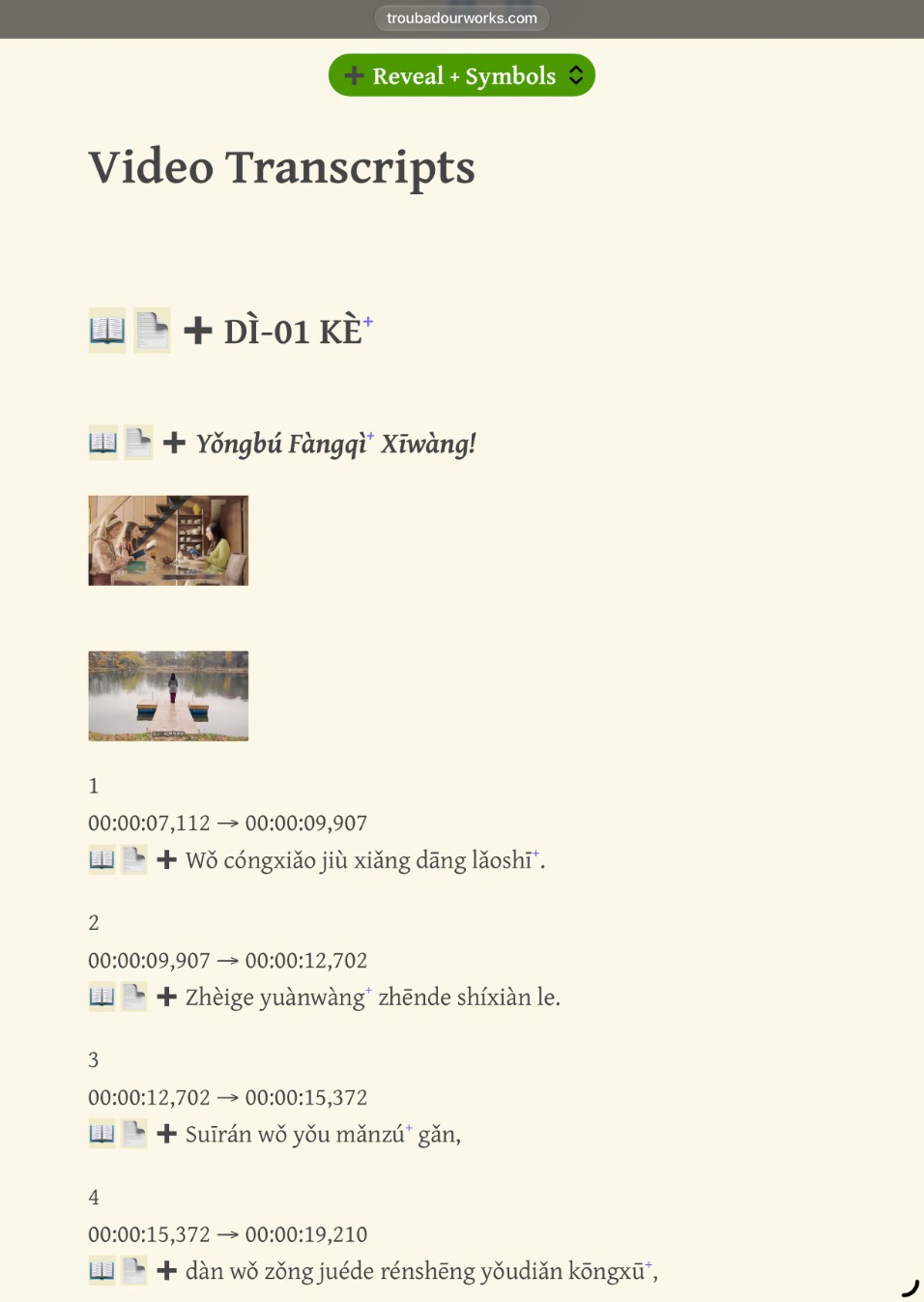
  • By default, no “flashcards” are displayed, and a + symbol indicates an advanced expression with an available “flashcard”. This default setting is shown at the top of each page as ➕ Reveal + Symbols ”.
  • The 📘 Reveal None option causes “flashcards” and + symbols to not be displayed. (The 📄 Reveal Advanced option continues to be available for those who at least sometimes want to use it.)
  • Pīnyīn expressions not marked with a + symbol may or may not have a “flashcard”. More “flashcards” may be added over time.
  • 📖 📄 ➕ icons mean 📖 Reveal All, 📄 Reveal Advanced, and ➕ Reveal + Symbols re all the “flashcards” and + symbols in the heading, paragraph, etc. that they are placed at the beginning of.

The + symbols used in Pīnyīn+ material are kind of like the reference symbols (+*) used in the NWT Study Bible material in the Watchtower Online Library, so hopefully that will help users understand them. Another change that is coming online with the Pīnyīn+ material is that in desktop browsers, the cursor will change to look like a hand with a pointing finger (something like 👆🏼) when it hovers over the 📖 📄 ➕ icons, over Pīnyīn expressions with a “flashcard”, and over revealed “flashcards”, showing that something will happen when these are clicked on.


Going forward, the overall plan is for any new material I produce to be in the new Pīnyīn+ format. Since Pīnyīn+ web pages can be added to existing Pīnyīn Plus web resources, these existing resources will become mixed Pīnyīn Plus / Pīnyīn+ resources for a time, as new Pīnyīn+ web pages are added and existing Pīnyīn Plus web pages are gradually updated to Pīnyīn+ format—easily identified by all the + signs—as time allows. (For example, as of this writing, Lesson 100 marks the beginning of the Pīnyīn+ material in the Learn From the Bible Bk. (Pīnyīn Plus / Pīnyīn+, Web) resource.)

It’s Better Now, But We’ve Just Scratched the Surface

The Blood brochure (hb) says that when someone suffers great blood loss, the first priority is to restore blood volume, and that “volume replacement can be accomplished without using whole blood”. Similarly, in the early days of the worldwide expansion of the Mandarin field that has brought us to the present day situation, many publishers who were not native speakers of Mandarin came to help in the Mandarin field, and helped to at least fill out the volume of people in the field. They often also brought a beneficial cultural breath of fresh air, and many Chinese people, both publishers and interested ones, could feel their out-of-this-world true Christian love, even if, especially in the beginning, their attempts at Mandarin were not always biāozhǔn (according to the standard)! (Proverbs 27:17; John 13:35; 17:16) Many such helpers from other language fields especially appreciated language-learning material like the 3-line material, with its always-visible lines showing pronunciation, meaning, and the official characters writing system, bundled by expression.


Eventually though, just as Jehovah designed the human body with mechanisms to build up the required number of actual oxygen-carrying red blood cells if they are lacking, the worldwide Mandarin field has eventually come to have more and more publishers in it who can actually understand and speak Mandarin fairly well, some of whom are native speakers and some of whom are language learners. Of course, due to the inhuman and inhumane complexity of the Chinese characters writing system, when faced with the Great Wall of Characters, even those who are fluent in Mandarin and relatively knowledgeable about characters regularly come across unfamiliar characters, or suffer from character amnesia.


The Great Wall of China

The Great Wall of Characters makes things unnecessarily highly difficult even for those who are relatively knowledgeable about characters.


Another factor to keep in mind is that while the Mandarin congregations and groups in nations that mostly speak English, Spanish, French, etc. seem to be doing well overall these days, we have still really only scratched the surface of the worldwide Mandarin field, since about 95%—yes, 95%—of the world’s Chinese people live in mainland China, where the preaching work has been restricted for a long time. (Matthew 13:38) Also, since there are about 2½ times as many people on earth whose mother tongue is Mandarin, compared to the number of people whose mother tongue is English, in a way, there should really be about 2½ times as many publishers in the worldwide Mandarin field as there are in the worldwide English field. Yes, it looks like there’s still a huge overall need for more Mandarin field publishers, including many more Mandarin field language learners.
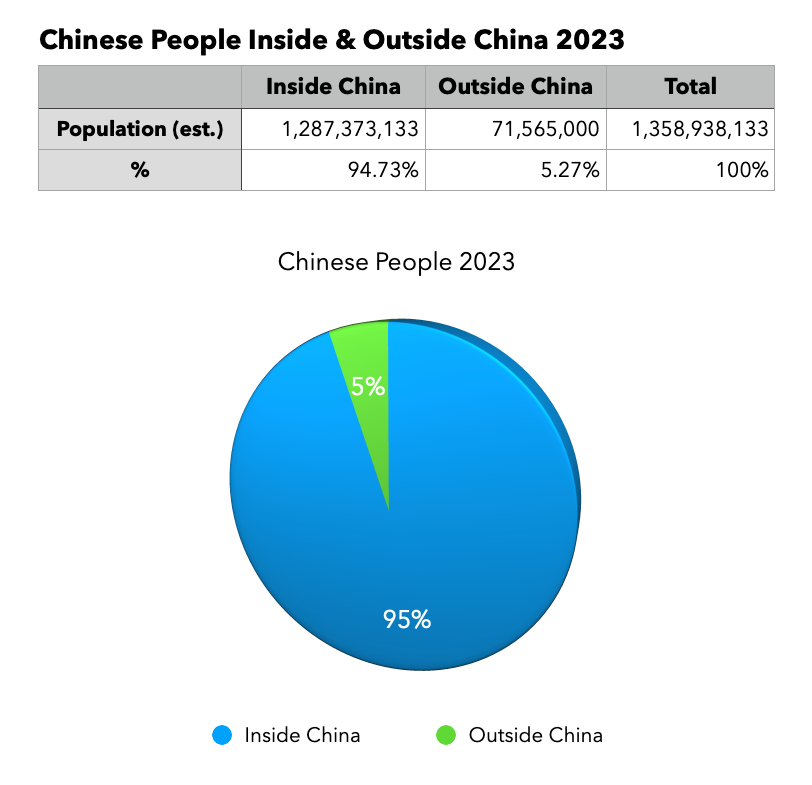

Screenshot of spreadsheet table and chart showing the estimated numbers of Chinese people inside & outside China in 2023

About 95% of the world’s Chinese people live in mainland China. (The above is from a spreadsheet which contains source links. A PDF file (with working source links) for that spreadsheet can be downloaded here.)
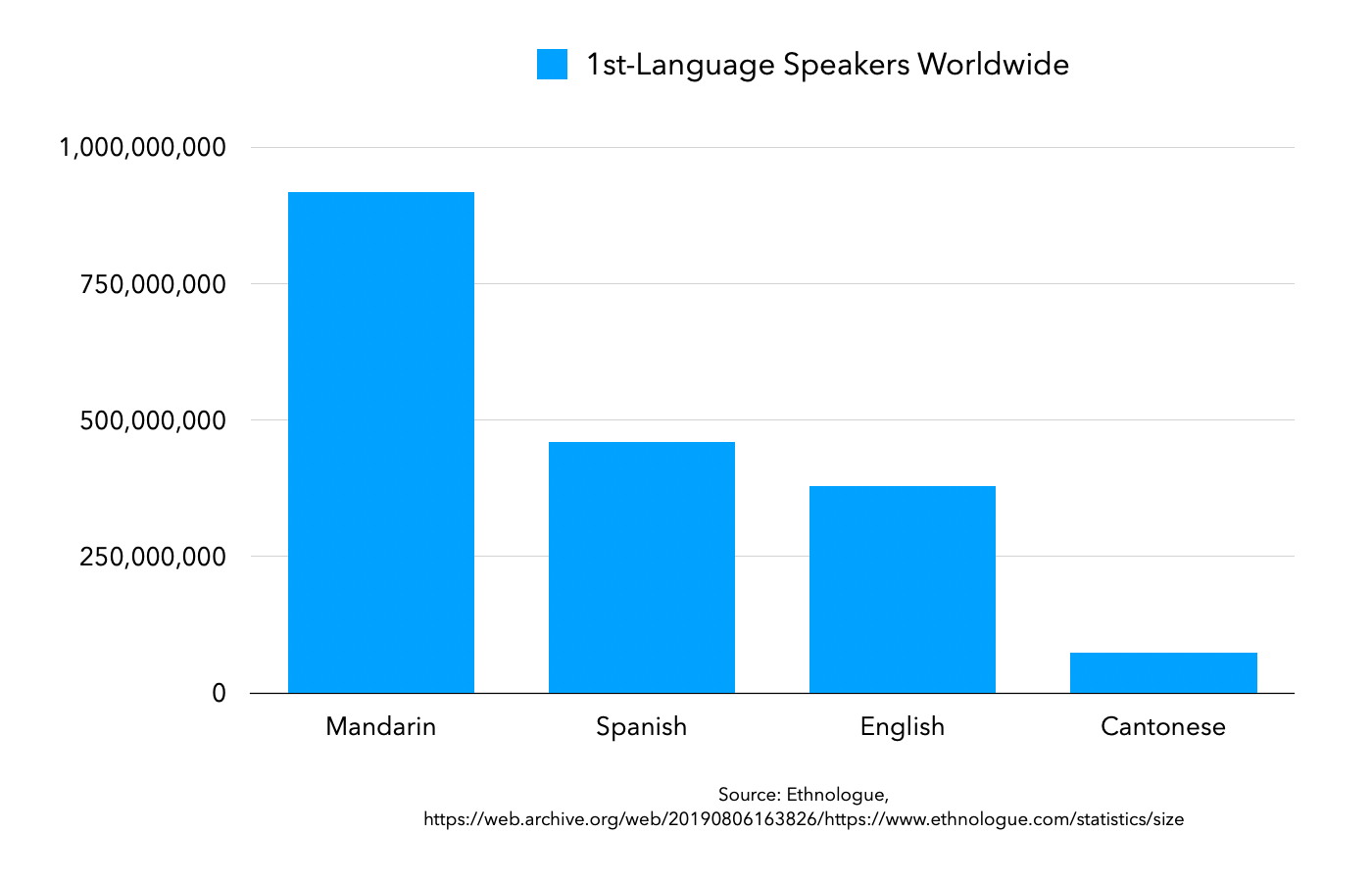

Chart: Languages by First-Language Speakers—2019

There are about 2½ times as many people on earth whose mother tongue is Mandarin, compared to the number of people whose mother tongue is English.


Pīnyīn+ material is optimized for the evidently growing number of Mandarin field language learners who are relatively used to Pīnyīn (or are at least willing to try to get used to it), who have some familiarity with Mandarin speech (or at least prioritize it), and who want a smooth reading experience. (In this respect, it is what people who are knowledgeable about software call “opinionated”. At least the opinion it embodies is one that Jehovah seems to share, as noted above, as opposed to just what is traditionally taught and accepted among humans in Satan’s world.) As a plus, rich language-learning information is also available on demand, marked by visible but fairly unobtrusive user interface affordances. Thus, language learners in the Mandarin field of any experience level, from beginner to advanced, can be helped to better understand and speak this language with the most people on earth for whom it’s their mother tongue, probably in all of human history. Hopefully, this new kind of material will prove helpful to both new and lifelong students of Mandarin in the massive worldwide Mandarin field in the time ahead, as Jehovah and Jesus continue to direct the work as they see fit.

Sunday, July 12, 2026

MEotW: Pīnyīn

The Mandarin Expression of the Week is:

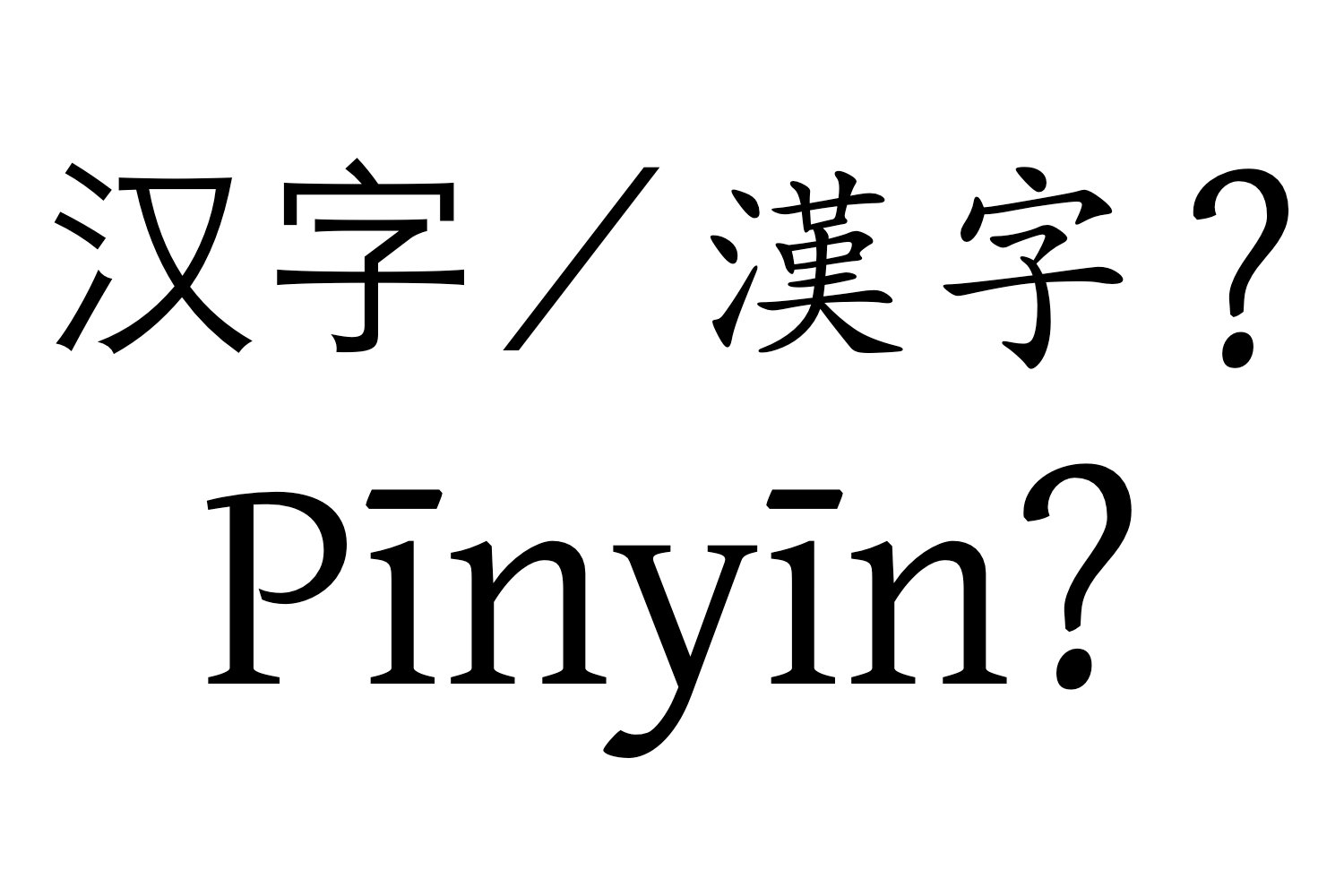
What are some common myths and misconceptions about Pīnyīn?


汉字 / 漢字? Pīnyīn?


Comments are enabled on this blog, so if you are so inclined, comment away!


A news feed for this blog is available here.


Sunday, July 05, 2026

MEotW: Zhùyīn

The Mandarin Expression of the Week is:

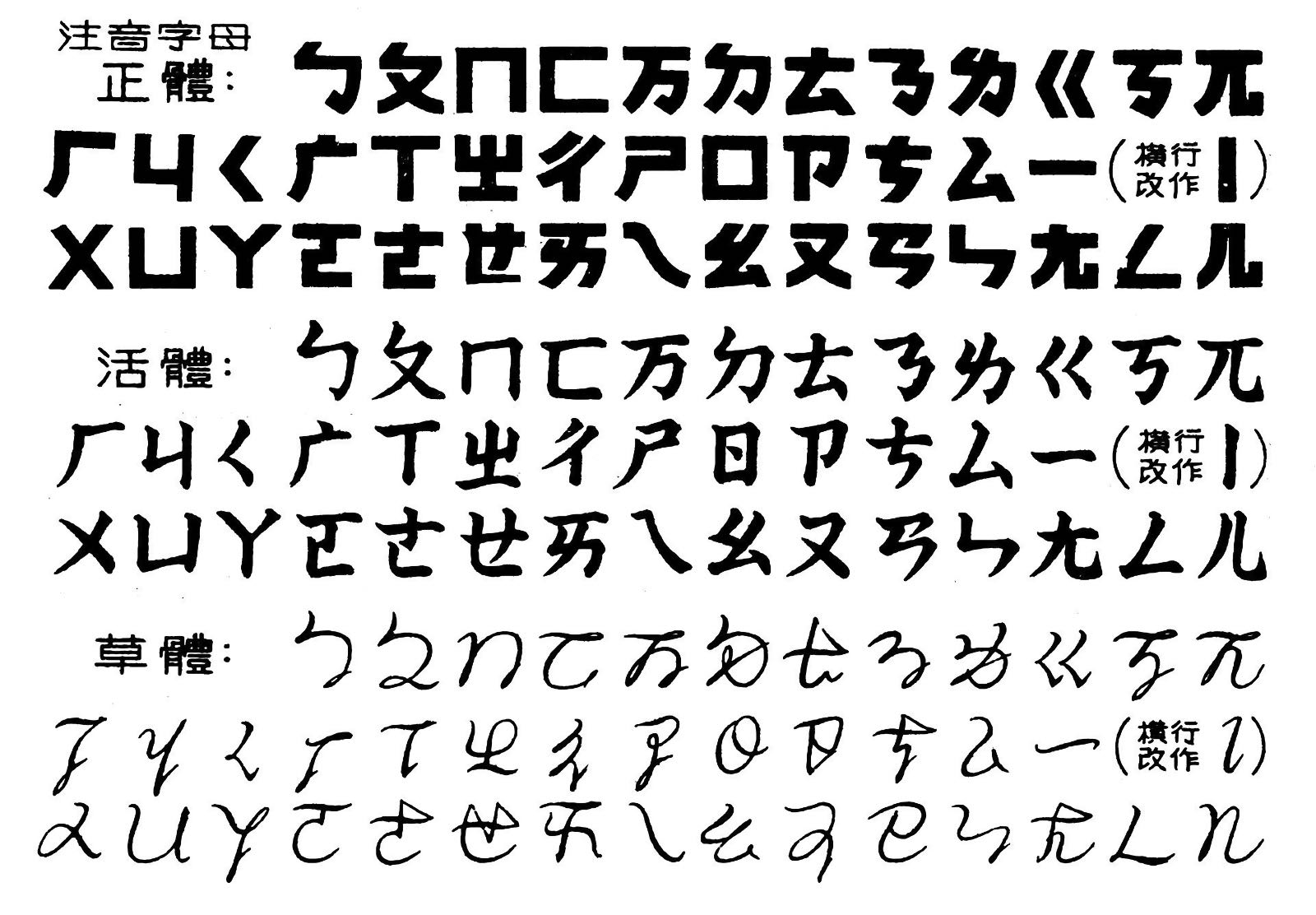
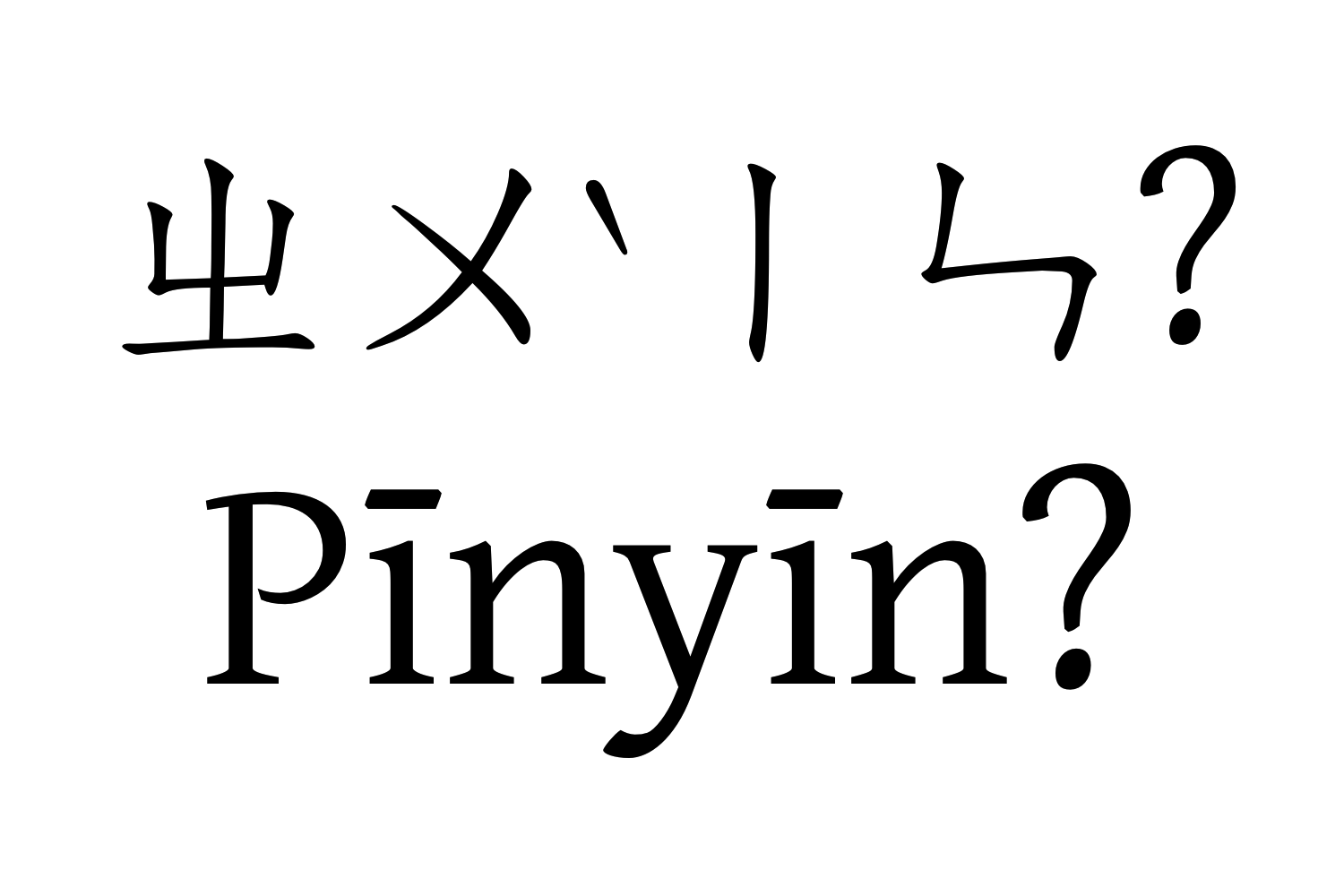
For Mandarin field language learners, how does Zhùyīn compare with Pīnyīn?


Bopomofo in Regular, Handwritten Regular, & Cursive formats

Zhùyīn, or Bopomofo, in regular, handwritten regular, and cursive formats


ㄓㄨ`ㄧㄣ? Pīnyīn?

Comments are enabled on this blog, so if you are so inclined, comment away!


A news feed for this blog is available here.


Sunday, June 28, 2026

MEotW: chuàngzào

The Mandarin Expression of the Week is:

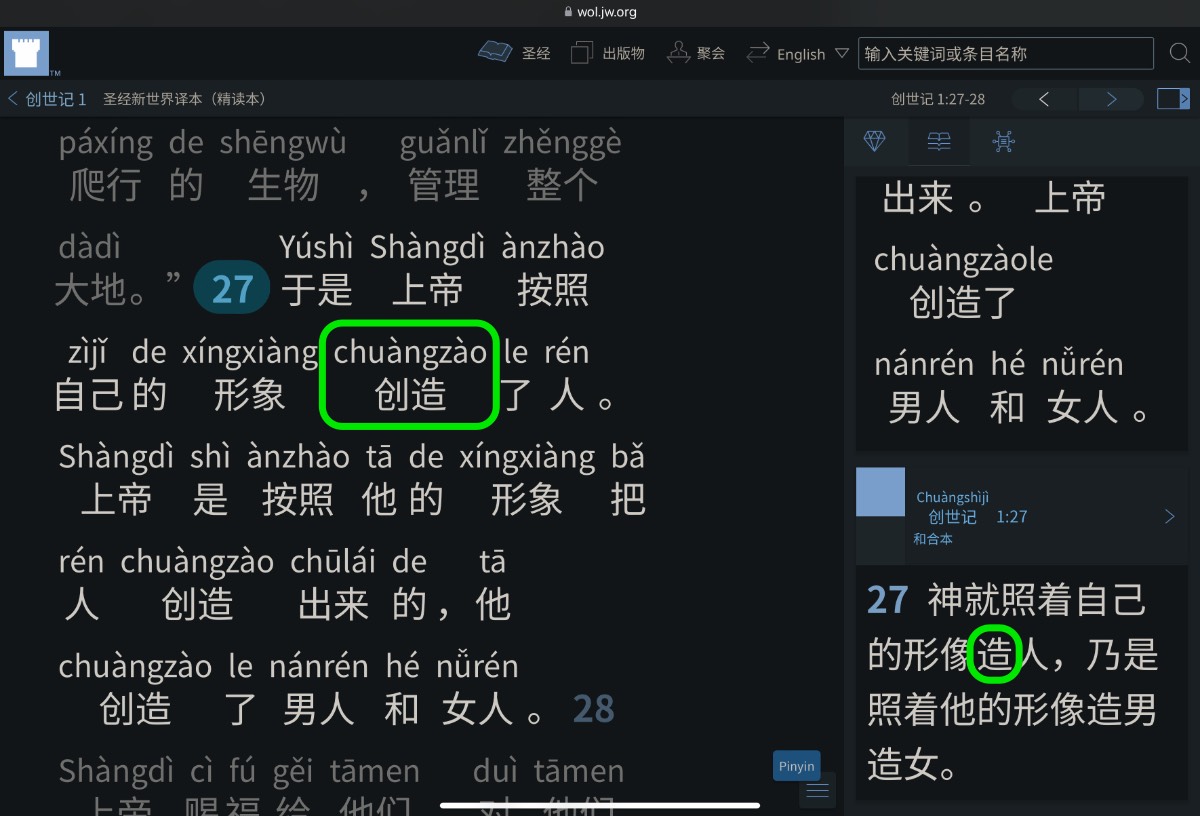
What can help us talk to Mandarin-speaking people about whether God used evolution to create living things?


“_Chuàngzào_” in Genesis 1:27 (NWT (nwtsty), WOL CHS+Pinyin), with “_zào_” in _Héhé Běn_

To represent how God caused humans to come into existence, the Mandarin New World Translation Bible uses “chuàngzào”, and the Héhé Běn (Union Version Chinese Bible) uses “zào”. Both these expressions contain the sense of “made, created”, and perhaps “built”.


Comments are enabled on this blog, so if you are so inclined, comment away!


A news feed for this blog is available here.


Sunday, June 21, 2026

MEotW: jīngjì

The Mandarin Expression of the Week is:

How can we talk to people in Mandarin about whether economic reform can bring world peace?


Comments are enabled on this blog, so if you are so inclined, comment away!


A news feed for this blog is available here.


Sunday, June 14, 2026

MEotW: xúnhuán

The Mandarin Expression of the Week is:

How can we talk in Mandarin about the well-designed natural cycles that make life possible on earth?


Map showing Beijing’s ring roads

A map showing Beijing’s ring roads (source)


Comments are enabled on this blog, so if you are so inclined, comment away!


A news feed for this blog is available here.


Sunday, June 07, 2026

MEotW: shìjiè hépíng

The Mandarin Expression of the Week is:

What different expressions are used in the Mandarin NWT Bible to refer to different kinds of peace?


Comments are enabled on this blog, so if you are so inclined, comment away!


A news feed for this blog is available here.


Sunday, May 31, 2026

MEotW: réngōng zhìnéng

The Mandarin Expression of the Week is:

What could we say to people in Mandarin about artificial intelligence (AI)?


Comments are enabled on this blog, so if you are so inclined, comment away!


A news feed for this blog is available here.


Monday, May 25, 2026

Proofread Musical Notation 🎼 with Pīnyīn Lyrics Available for the Concluding Song for Mandarin 2026 Conventions

Proofread Musical Notation 🎼 with _Pīnyīn_ Lyrics Available for the Concluding Song for Mandarin 2026 Conventions (proofread, mobile-friendly, "flashcards" with English meanings, Simp. & Trad. characters, etc., zip file for offline use…) troubadourworks.com/tiandi/sj...

[image or embed]

— tiandi, Links News (@tiandilinksnews.bsky.social) May 25, 2026 at 4:36 PM

Sunday, May 24, 2026

MEotW: jiāng‐xīn‐bǐ‐xīn

The Mandarin Expression of the Week is:

How can we talk about and show empathy in the Mandarin field?


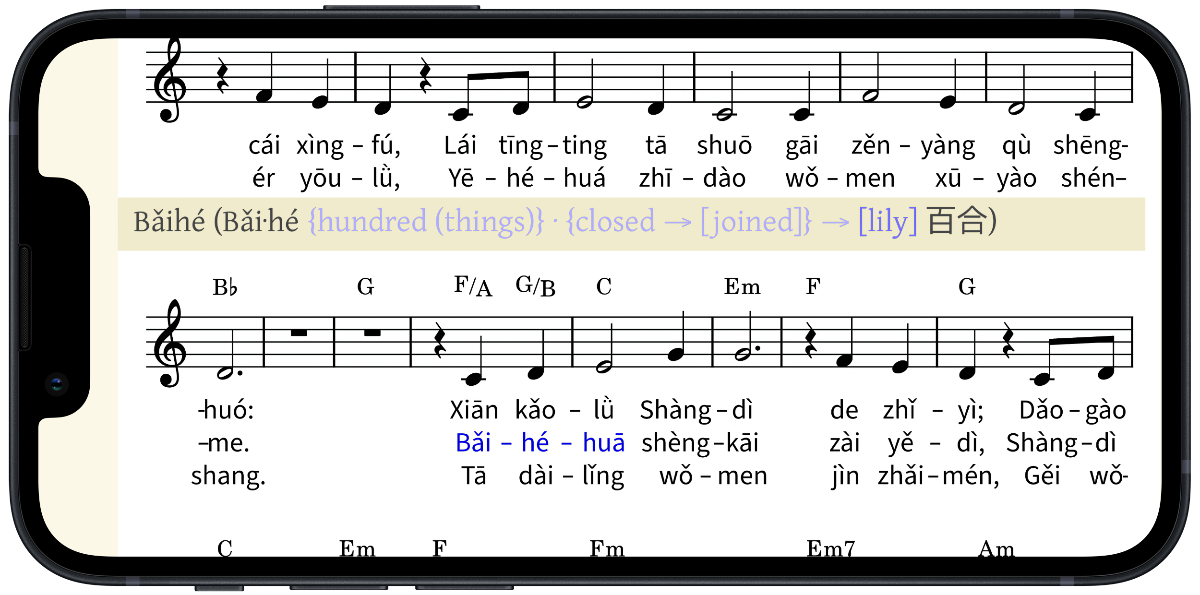
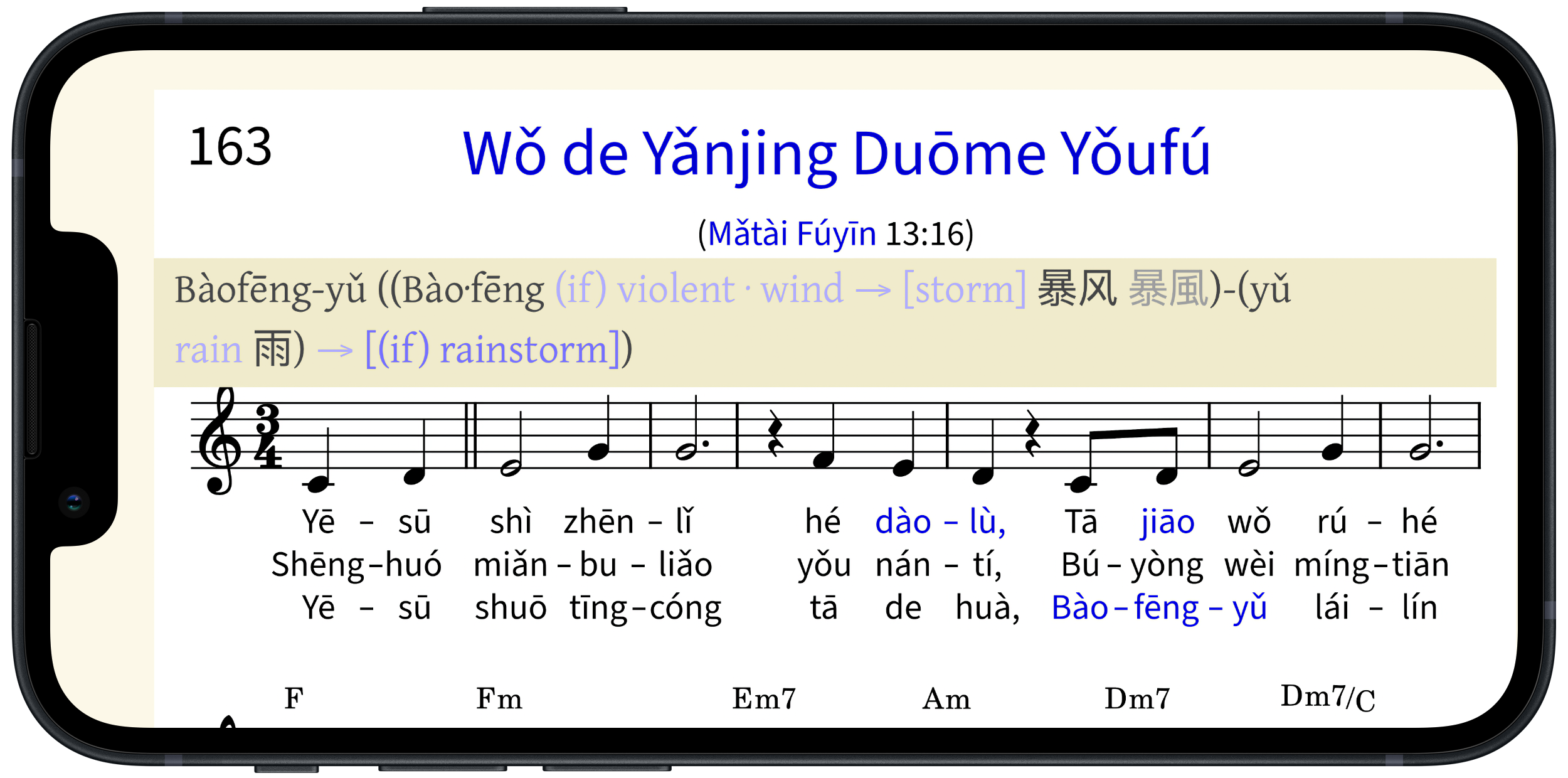
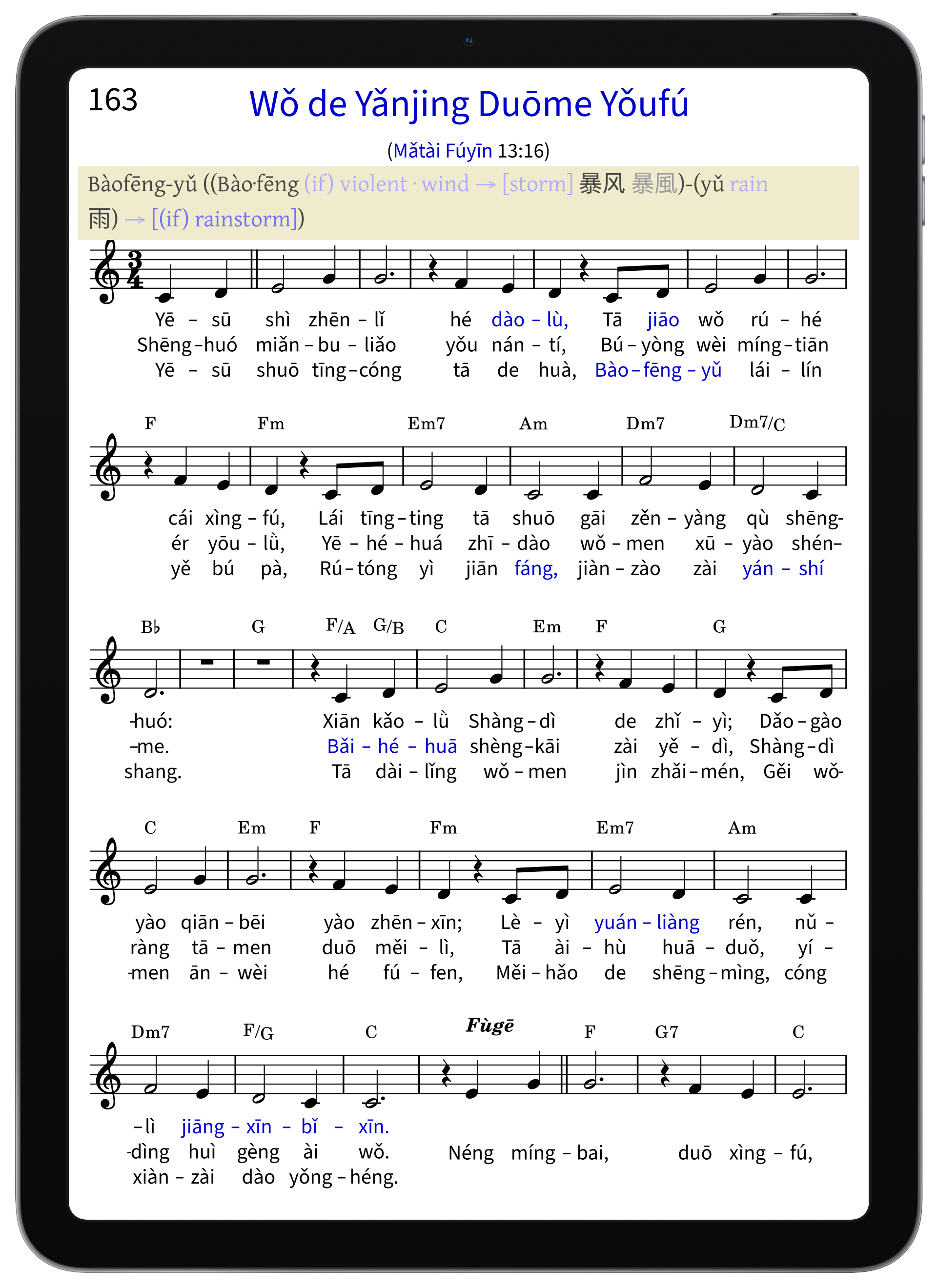
“jiāng‐xīn‐bǐ‐xǐn” _Pīnyīn_ Plus info, Song 163 (music+_Pīnyīn_), on iPhone 13 mini (landscape orientation)

This week’s MEotW in the unofficial Pīnyīn Plus resource “Sing Out Joyfully” Bk. (Pīnyīn+Music, Pīnyīn Plus, Web)


Screenshot of Sis. Margarita Königer and others using official _Pīnyīn_ _Sing to Jehovah_ songbooks with musical notation

A screenshot from an official video, of Sis. Margarita Königer and others using official Pīnyīn Sing to Jehovah songbooks with musical notation


Comments are enabled on this blog, so if you are so inclined, comment away!


A news feed for this blog is available here.


Sunday, May 17, 2026

MEotW: héchuáng

The Mandarin Expression of the Week is:

Faced with the cultural and traditional Goliath that is the Chinese characters, how can we imitate David?


汉字 / 漢字? Pīnyīn?

Comments are enabled on this blog, so if you are so inclined, comment away!


A news feed for this blog is available here.


Monday, May 11, 2026

MEotW: néngyuán

The Mandarin Expression of the Week is:

How can we talk to people in Mandarin about current issues related to energy, like high gas prices, etc.?


Comments are enabled on this blog, so if you are so inclined, comment away!


A news feed for this blog is available here.


Sunday, May 10, 2026

Proofread Pīnyīn Material or Better Available for 2026-05-11 Week Mandarin Bible Reading

Available for the Mandarin Bible Reading for the week of 2026-05-11 (next week!) (Isa.61:1–9): Proofread _Pīnyīn_ material (more correct and better-rendered than computer-generated _Pīnyīn_, easy to see & read on mobile) or better (e.g., _Pīnyīn_ Plus) troubadourworks.com/tiandi/nw...

[image or embed]

— tiandi, Links News (@tiandilinksnews.bsky.social) May 10, 2026 at 3:27 PM

Sunday, May 03, 2026

MEotW: búyì

The Mandarin Expression of the Week is:

What can help us to avoid being unfair to others, to ourselves, and to Jehovah in the Mandarin field?


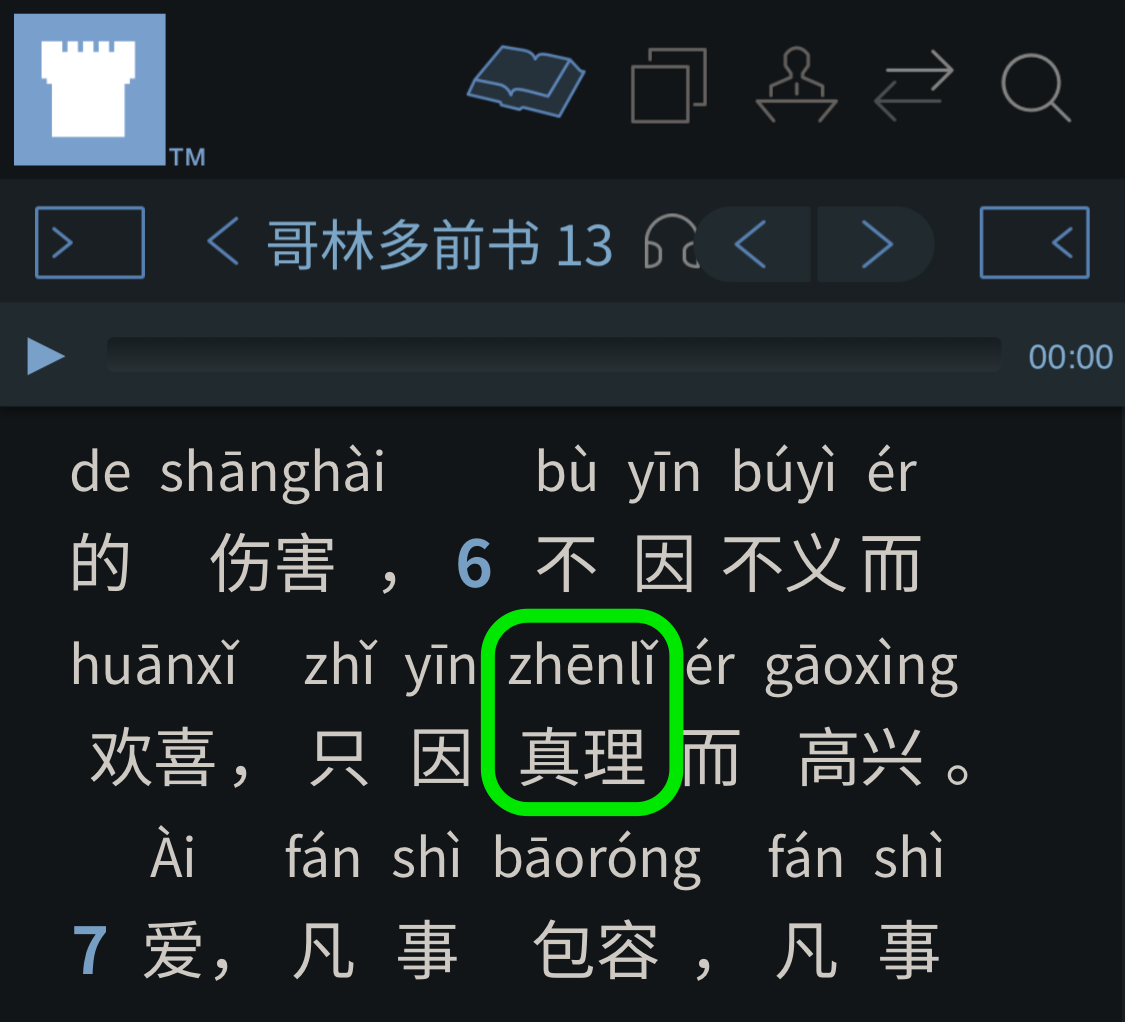
Screenshot of “_búyì_” in 1 Co. 13:6 (nwtsty, CHS+_Pīnyīn_ WOL)

Comments are enabled on this blog, so if you are so inclined, comment away!


A news feed for this blog is available here.


Sunday, April 26, 2026

MEotW: bàolì

The Mandarin Expression of the Week is:

How can we say in Mandarin that Jesus will soon bring an end to all violence?


Comments are enabled on this blog, so if you are so inclined, comment away!


A news feed for this blog is available here.


Sunday, April 19, 2026

MEotW: jǐngjǐng‐yǒu‐tiáo

The Mandarin Expression of the Week is:

How can we say in Mandarin that the galaxies are distributed according to a pattern?


Comments are enabled on this blog, so if you are so inclined, comment away!


A news feed for this blog is available here.


Saturday, April 18, 2026

Proofread Pīnyīn Plus Lyrics Available for the Concluding Song for Mandarin 2026 Conventions

Proofread _Pīnyīn_ Plus Lyrics Available for the Concluding Song for Mandarin 2026 Conventions (proofread, mobile-friendly, adjustable text size, zip file for offline use…) troubadourworks.com/tiandi/sj...

[image or embed]

— tiandi, Links News (@tiandilinksnews.bsky.social) April 18, 2026 at 8:05 PM

Sunday, April 12, 2026

MEotW: záluàn‐wú‐zhāng

The Mandarin Expression of the Week is:

While the manufacturing processes inside our cells are not haphazard, how is the design of Chinese characters haphazard?


Comments are enabled on this blog, so if you are so inclined, comment away!


A news feed for this blog is available here.


Sunday, April 05, 2026

MEotW: wú‐suǒwèi

The Mandarin Expression of the Week is:

How might a Mandarin-speaking person say “it doesn’t matter how we worship God”?


Lyrics for the Faye Wong song “Shìyán” (“Pledge”) in Apple Music, on an iPad

Lyrics for the Faye Wong song “Shìyán” (“Pledge”) in Apple Music, on an iPad


Comments are enabled on this blog, so if you are so inclined, comment away!


A news feed for this blog is available here.


Monday, March 30, 2026

MEotW: yì‐zhī‐bàn‐jiě

The Mandarin Expression of the Week is:

What understanding can help us Mandarin field language learners to move beyond “knowing just enough to be dangerous”?


Comments are enabled on this blog, so if you are so inclined, comment away!


A news feed for this blog is available here.


Saturday, March 28, 2026

NWT Bible Study Edition (nwtsty) Pīnyīn Plus Web Resource Revised to Match the 2026 Official Mandarin Version on the WOL

[NOTE: For spiritual food (which is for you yourself to learn spiritual things from, and which ideally should be in your own mother tongue), please go to jw.org.


The supplementary language-learning material mentioned in this post is for helping you to learn about how the Mandarin language is used in an official publication, so that you will be better able to help others in the Mandarin language field.]


The latest, greatest version of the official Mandarin New World Translation Bible is now the 2026 Mandarin version of the Study Edition (nwtsty).


The existing Pīnyīn Plus web material resources based on the 2001 Edition, 2007 Printing (bi12) and the 2019 Edition, 2020 Printing (nwt) of the Mandarin NWT Bible will continue to be available, but they will not be significantly further developed. Instead, further development re Mandarin NWT Bible Pīnyīn Plus web material will be focused on the below resource that is based on the previous resources. This resource is in the process of being revised to match the latest 2026 Study Edition (nwtsty), with notes on each related page indicating where any material still based on older source material remains:

  • NWT Bible (nwtsty)
    (Pīnyīn Plus, Web)

    (rich information about the Mandarin speech
    used for Bible scriptures,
    as represented by the text of the
    Mandarin NWT Bible, 2026 Study Edition (nwtsty),
    proofread, mobile-friendly, unofficial,
    incomplete but with many often-used scriptures,
    “flashcards” integrated with the text
    (tap/click on a Pīnyīn expression
    to reveal its
    “flashcard”,
    tap/click on a “flashcard” or its Pīnyīn expression
    to hide the
    “flashcard”),
    Pīnyīn (Pinyin) used as the default writing system,
    carefully done human-translated
    context-appropriate English translations
    with literal & effective meanings,
    Simplified & Traditional characters,
    📖 Reveal All, 📄 Reveal Advanced, and
    📘 Reveal None controls
    for all the “flashcards” in a
    chapter, paragraph, etc.,
    extensive links for getting around, audio links,
    Dark mode selectable with the
    dropdown control at the top right,
    adjustable text size)
    (Info re offline viewing and printing)
  • Short Links:
    Links > Publications >
    New World Translation Bible Links (tiandi.info/bi)

In the above resource, fully proofread Pīnyīn Plus web material is now available that matches many often-used scriptures in the current 2026 Study Edition (nwtsty) of the Mandarin NWT Bible.


The material in the above resource with a grey background has not yet been fully proofread, and may be based on an older version of the Mandarin NWT Bible. Pīnyīn material in the above resource with a golden-hued background has been proofread to ensure that it is correct Pīnyīn that matches the current version of the Mandarin NWT Bible, but not all of its “flashcards” have been added and proofread.


More existing material will be revised and more new material will be added in the above resource as time allows, e.g., as part of the process of producing Pīnyīn Plus web material for scriptures for other publications.


[NOTE: While the organization expresses valid general concerns here about posting copies of official publications to the Internet, there are good legal and spiritual reasons for concluding that those concerns do not apply to this particular material, since such material should NOT be considered to be infringing on copyright, and since such material is specifically designed to be, NOT SPIRITUAL FOOD, but rather, material FOR LANGUAGE LEARNING. See this disclaimer for more information.]


Monday, March 23, 2026

MEotW: zài‐suǒ‐bùxī

The Mandarin Expression of the Week is:

Why should we not balk when faced with the Great Wall of Characters, or when faced with the alternate Pīnyīn ways past it?


“zài‐suǒ-bùxī” _Pīnyīn_ Plus info, Song 161 (music+_Pīnyīn_), on iPhone 13 mini (landscape orientation)

This week’s MEotW in the unofficial Pīnyīn Plus resource “Sing Out Joyfully” Bk. (Pīnyīn+Music, Pīnyīn Plus, Web)


The Great Wall of China

Do we balk when faced with the Great Wall of Characters?


Comments are enabled on this blog, so if you are so inclined, comment away!


A news feed for this blog is available here.


Monday, March 16, 2026

MEotW: Gōngyè‐Dǎng

The Mandarin Expression of the Week is:

In the grand scheme of things, how important is technology?


Comments are enabled on this blog, so if you are so inclined, comment away!


A news feed for this blog is available here.


Sunday, March 08, 2026

MEotW: Yēsū Xīshēng Jìniàn Jùhuì

The Mandarin Expression of the Week is:

How can we benefit from avoiding unnecessary ceremony?


Comments are enabled on this blog, so if you are so inclined, comment away!


A news feed for this blog is available here.


Sunday, March 01, 2026

MEotW: Zhōngdōng

The Mandarin Expression of the Week is:

How can we talk to honest-hearted ones in the Mandarin field about the fighting in the Middle East?


Comments are enabled on this blog, so if you are so inclined, comment away!


A news feed for this blog is available here.


Wednesday, February 25, 2026

MEotW: Lǎhé

The Mandarin Expression of the Week is:

Is a character like “喇” really less ambiguous than a Pīnyīn expression like “lǎ”?


Joshua 2:1 in the Mandarin _NWT_ Study Bible, in the JW Library app

Joshua 2:1 in the Mandarin NWT Study Bible, in the JW Library app


Joshua 2:1 in the PDF for the old printed _Pīnyīn_ _NWT_ Bible

Joshua 2:1 in the PDF for the old printed Pīnyīn NWT Bible


Comments are enabled on this blog, so if you are so inclined, comment away!


A news feed for this blog is available here.


Sunday, February 15, 2026

MEotW: jìjiào

The Mandarin Expression of the Week is:

How do some nitpick about Pīnyīn while ignoring a huge issue about characters?


Screenshot of “_jìjiào_” in 1 Co. 13:5 (nwtsty, CHS+_Pīnyīn_ WOL)

Screenshot of “jìjiào” in 1 Co. 13:5 (nwtsty, CHS+Pīnyīn WOL)


Lego diorama of people pushing a cart with square wheels, when the cart is filled with round wheels

The problem is not that Pīnyīn is like training wheels, because Pīnyīn is actually like regular wheels. The real problem is that characters are like square wheels!


Comments are enabled on this blog, so if you are so inclined, comment away!


A news feed for this blog is available here.


Monday, February 09, 2026

MEotW: Mòrì Shízhōng

The Mandarin Expression of the Week is:

How can we talk to honest-hearted ones in the Mandarin field about the Doomsday Clock?


Comments are enabled on this blog, so if you are so inclined, comment away!


A news feed for this blog is available here.


Sunday, February 01, 2026

MEotW: yǔzhòu

The Mandarin Expression of the Week is:

How can we get Mandarin-speaking people thinking about whether the universe was designed?


Chart: Languages by First-Language Speakers—2019

The worldwide Mandarin field is by far the largest language field in the world, and it’s likely that it is the largest language field ever in history.


The Great Wall of China

In addition to the inherent technical difficulty of the subject of creation/evolution, Mandarin field language learners also face the Great Wall of characters.


Comments are enabled on this blog, so if you are so inclined, comment away!


A news feed for this blog is available here.


Wednesday, January 28, 2026

Learn From the Bible Bk. Pīnyīn Plus Web Resource Updated to Match the 2025-03 Printing

[NOTE: For spiritual food (which is for you yourself to learn spiritual things from, and which ideally should be in your own mother tongue), please go to jw.org.


The supplementary language-learning material mentioned in this post is for helping you to learn about how the Mandarin language is used in an official publication, so that you will be better able to help others in the Mandarin language field.]


The following language-learning resource for the Learn From the Bible book (currently being studied at Congregation Bible Study meetings) now matches the 2025-03 Printing of that publication, and all the scriptures in it from the Mandarin New World Translation Bible now match the nwtsty 2024 version of that Bible:


Lesson 65 in _Learn From the Bible_ Bk. (Pīnyīn Plus, Web), on iPhone 13 mini (Landscape, Light Mode)

Lesson 65 in _Learn From the Bible_ Bk. (Pīnyīn Plus, Web), on iPhone 13 mini (Landscape, Dark Mode)
  • _Learn From the Bible_ Bk. _Pīnyīn_ Plus web icon
  • Learn From the Bible Bk.
    (Pīnyīn Plus, Web)

    (rich information about Mandarin speech
    for discussing Bible lessons and accounts,
    as represented by the text of the
    Mandarin Learn From the Bible book,
    2025-03 Printing, proofread, mobile-friendly,
    PWA Logo can be used offline in supporting browsers,
    PWA Logo icon can be added to the home screen
    with supporting browsers,

    “flashcards” integrated with the text,
    (tap/click on a Pīnyīn expression
    to reveal its
    “flashcard”,
    tap/click on a “flashcard” or its Pīnyīn expression
    to hide the
    “flashcard”),
    Pīnyīn (Pinyin) used as the default writing system,
    carefully done human-translated
    context-appropriate English translations
    with literal & effective meanings,
    Simplified & Traditional characters,
    📖 Reveal All, 📄 Reveal Advanced,
    and 📘 Reveal None controls for
    all the “flashcards” in a lesson, paragraph, etc.,
    links for getting around,
    picture thumbnails & links, audio links,
    JW Library app scripture links,
    Dark mode selectable with the
    dropdown control at the top right,
    adjustable text size)
    (Info re offline viewing and printing)
  • Short Links:
    Links > Publications > Books >
    Learn From the Bible Book Links (tiandi.info/lfb)

In the above resource, the following web material is now available for the Mandarin Learn From the Bible book:

Proofread Pīnyīn Plus material:

  • Beginning to Lesson 4

Partially proofread Pīnyīn and Pīnyīn Plus material:

  • Lesson 5 to Lesson 75
  • Material with a grey background has been partially proofread. Pīnyīn material with a golden-hued background has been proofread, but not all of its “flashcards” have been added and proofread.

Proofread Pīnyīn and partially proofread Pīnyīn Plus material:

  • Lesson 60 to Lesson 62
  • Pīnyīn material with a golden-hued background has been proofread, but not all of its “flashcards” have been added and proofread.

Lessons with Partial Coverage

  • Lesson 76 to Lesson 86
  • Material with a grey background has been partially proofread. Pīnyīn material with a golden-hued background has been proofread, but not all of its “flashcards” have been added and proofread.

Note that like other Pīnyīn Plus web material resources, the above resource can be used offline. Also, an icon can be added to the home screen with supporting browsers.


On the iPhone, the iPad, and in WebKit-based web browsers (e.g., Safari, Orion) on the Mac, scripture links labelled as “JW nwtsty” will go to the indicated scripture in the Mandarin New World Translation Study Bible in the JW Library app, if those are downloaded and installed. (I have not yet been able to test these links on Android or Windows. If you have been able to do so, email me to let me know the results!)


While incomplete, this material can help Mandarin field language learners—especially, but not only, those who can read English—to get past the Great Wall of characters and supercharge their efforts to prepare for and participate in Mandarin discussions using the Learn From the Bible book, such as those now scheduled for the Congregation Bible Study sections of our Life and Ministry meetings.


[NOTE: While the organization expresses valid general concerns here about posting copies of official publications to the Internet, there are good legal and spiritual reasons for concluding that those concerns do not apply to this particular material, since such material should NOT be considered to be infringing on copyright, and since such material is specifically designed to be, NOT SPIRITUAL FOOD, but rather, material FOR LANGUAGE LEARNING. See this disclaimer for more information.]